

A Week of Egypt: From Cairo Pyramids to Aswan Temples
In October, I hopped on a plane to Egypt with my family. For years, my parents have made a real effort (and succeeded, if you ask me) to travel with us kids somewhere special. It's their way of letting us soak up different cultures, see the world from new angles, and maybe broaden how we think about other places and people.
This time, it was off to a Middle Eastern gem like Egypt.
We arrived late at night in Cairo and checked into the Kempinski Nile Hotel.
Day 1
We had to drive a bit from Cairo (about 19 km). First stop: Memphis. Founded around 3100 BC, Memphis was the first capital after Egypt's unification and the country's powerhouse city. They say it was the world's most populous until 2250 BC. Today, it's an open-air museum packed with relics, including two standout statues: the Memphis Sphinx and the massive 13-meter Colosso of Ramses II. The price for this museum is 200 LE (around 4 EUR).
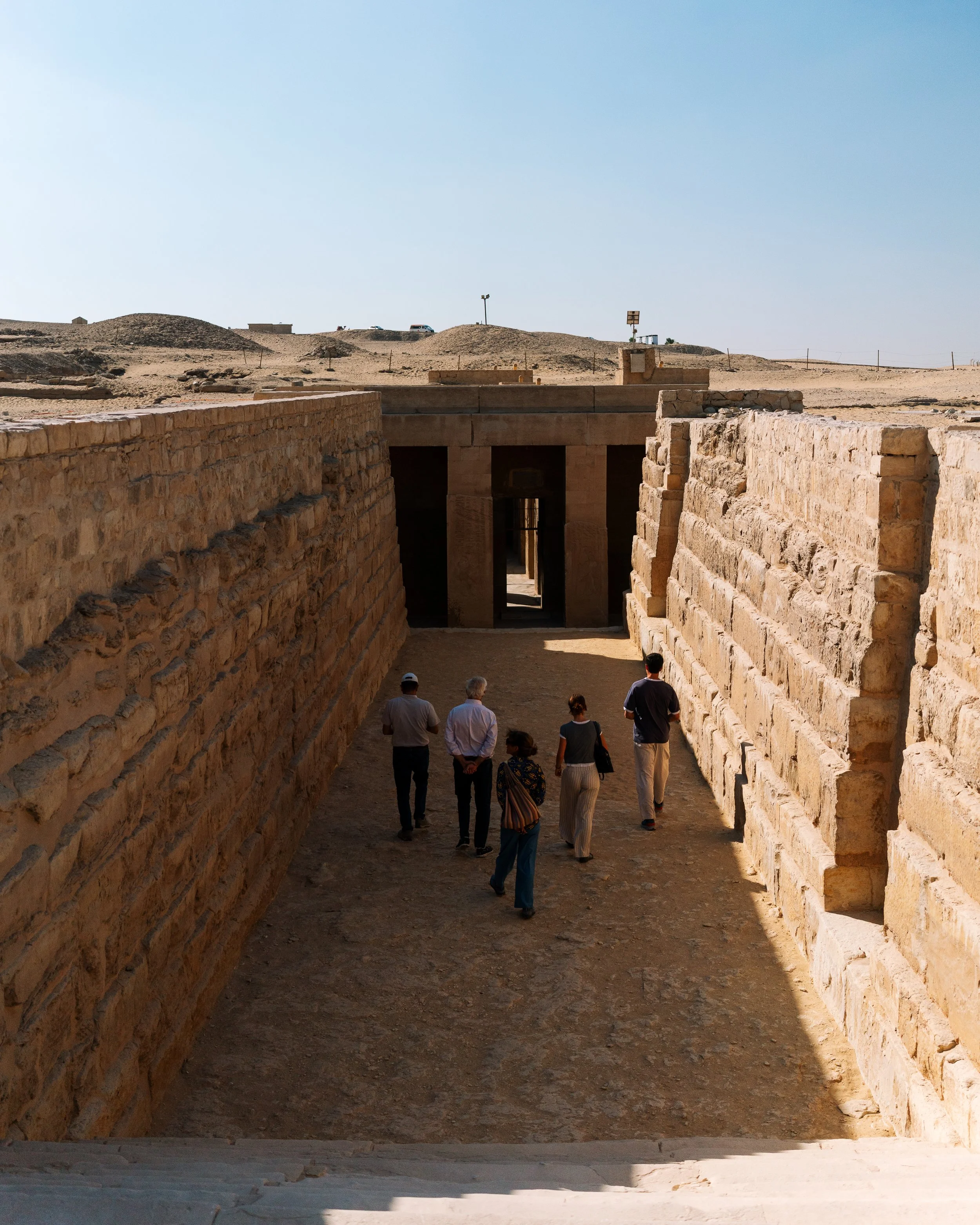
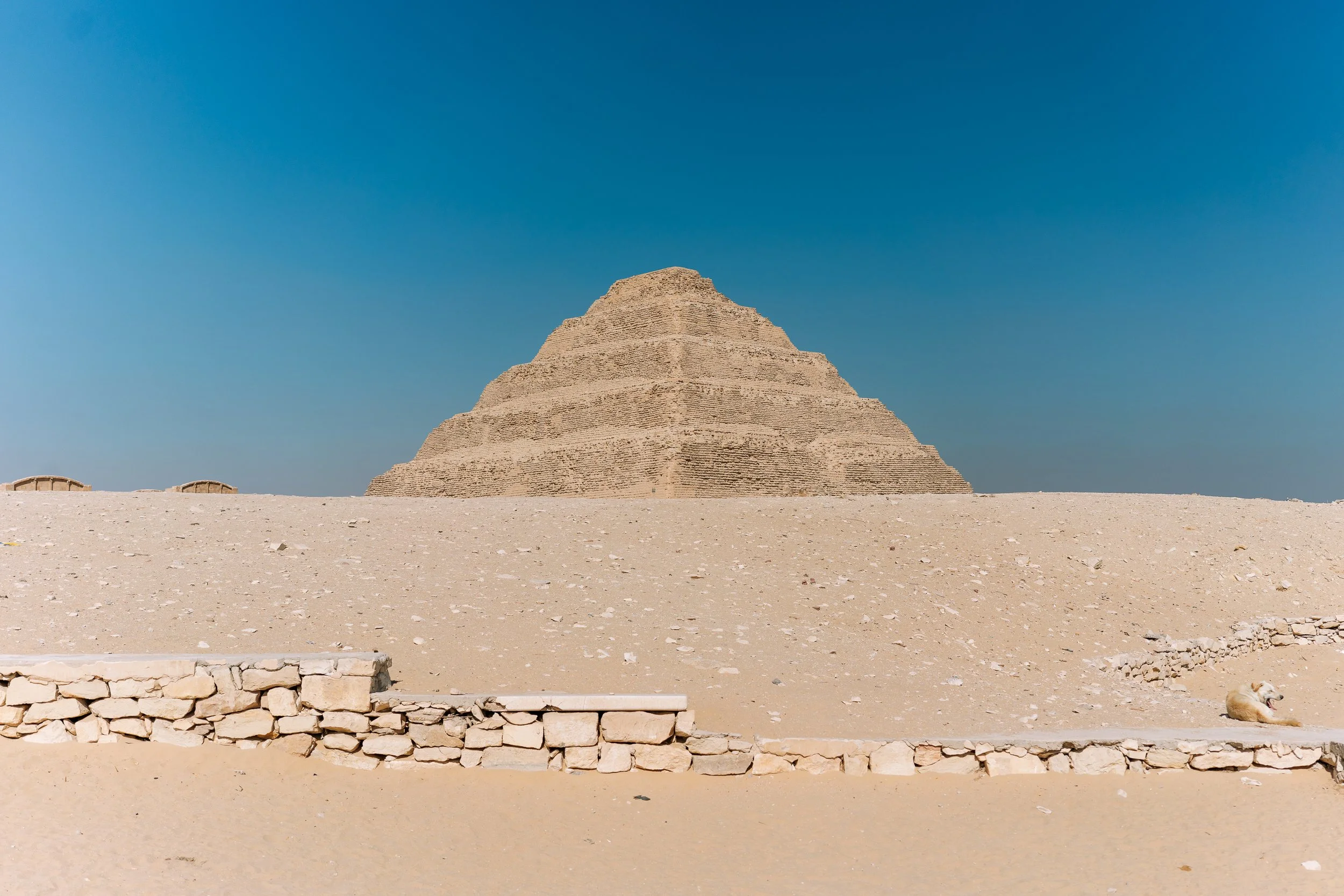
Next, Saqqara and the Tomb of Ty. Saqqara was Memphis's key necropolis from the First Dynasty right up to Christian times, located west of the old capital and south of Cairo. It's home to Zoser's Step Pyramid—the world's first pyramid and the oldest massive stone structure. That pyramid kicked off the whole Giza pyramid trend and influenced all the others. Beyond it, you'll find smaller pyramids and tombs of high-ranking nobles and officials that rival the Valley of the Kings in quality. Don't miss Ty's tomb (the highlight), plus Mereruka, Kagemni, Ankhmahor, and Idut. The price for this site is 600 LE (around 12 EUR).
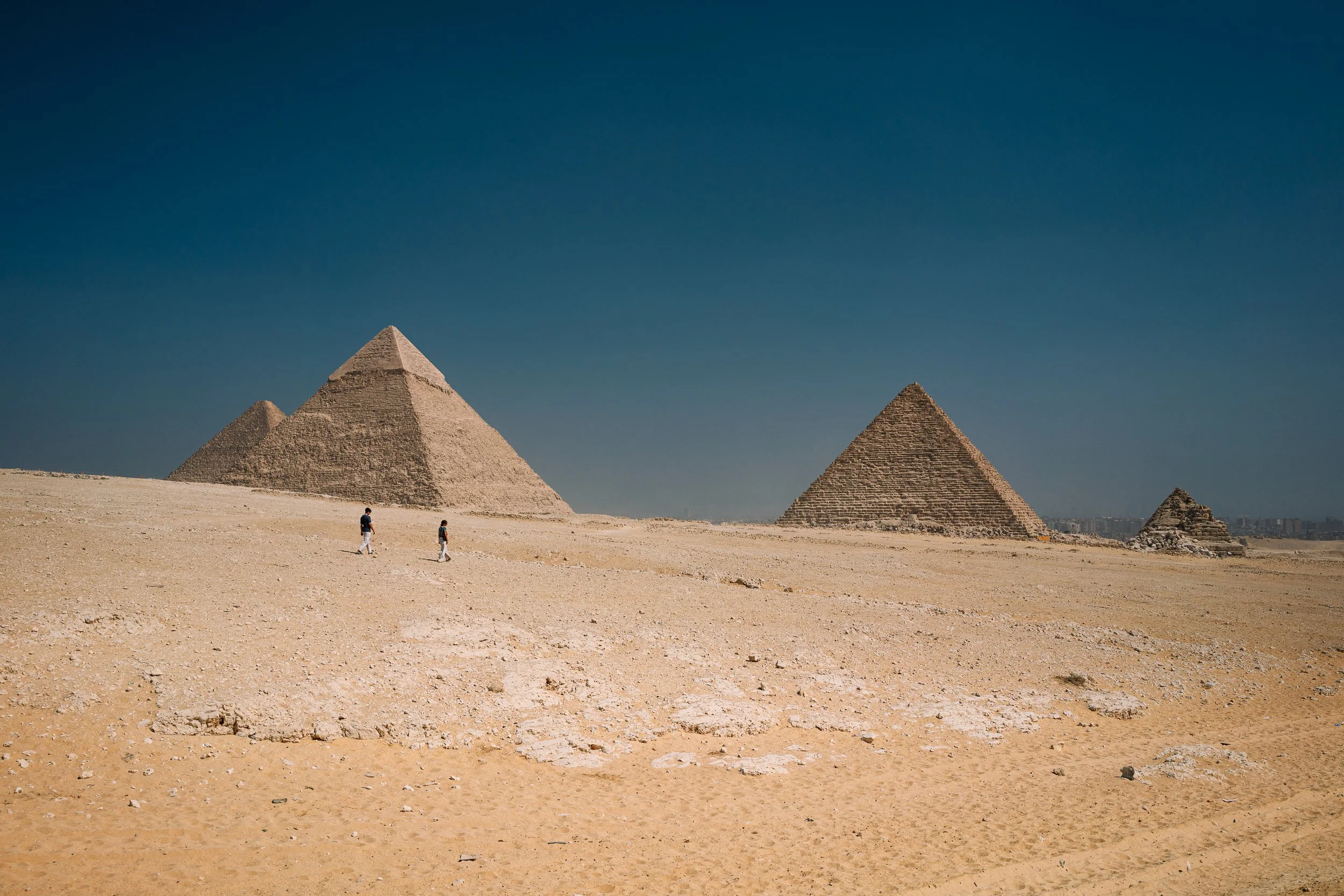
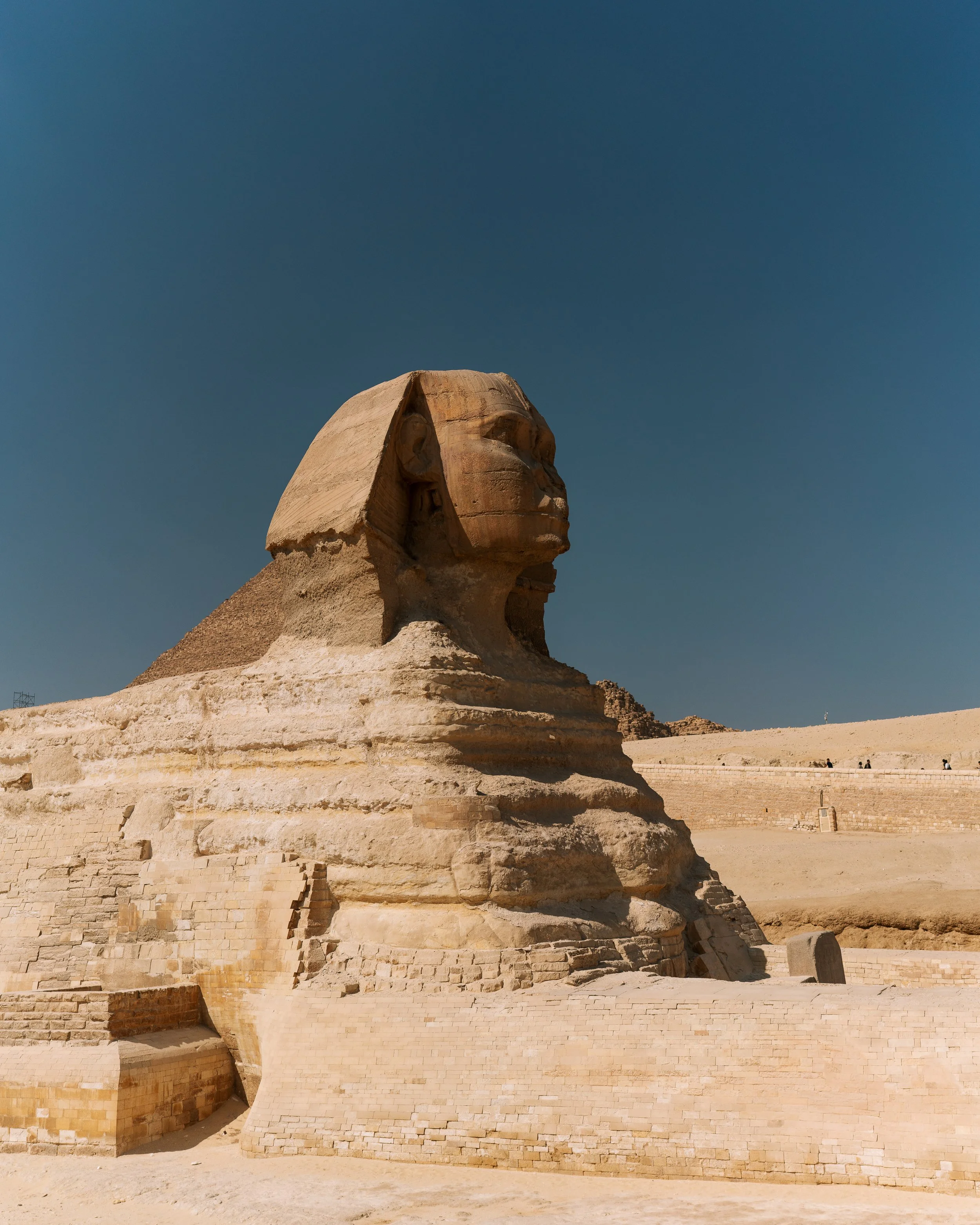
Then, the Pyramids of Giza. Skip the second and third buses—walk it yourself. The place is swarming with tourists anyway, so do yourself a favor and break off from the crowds to stroll those amazing open spaces between the pyramids. The price for this site is 700 LE (around 14 EUR). Pharaohs were mummified and buried inside with food, treasures, and prized belongings for the afterlife. The Great Pyramids date roughly to 2500 BC. Khufu (Keops) is the tallest at 140 meters, then Khafre (Kefren), and Menkaure (Micerinos). Heads up if you're claustrophobic—the interiors are tight and can feel intense.
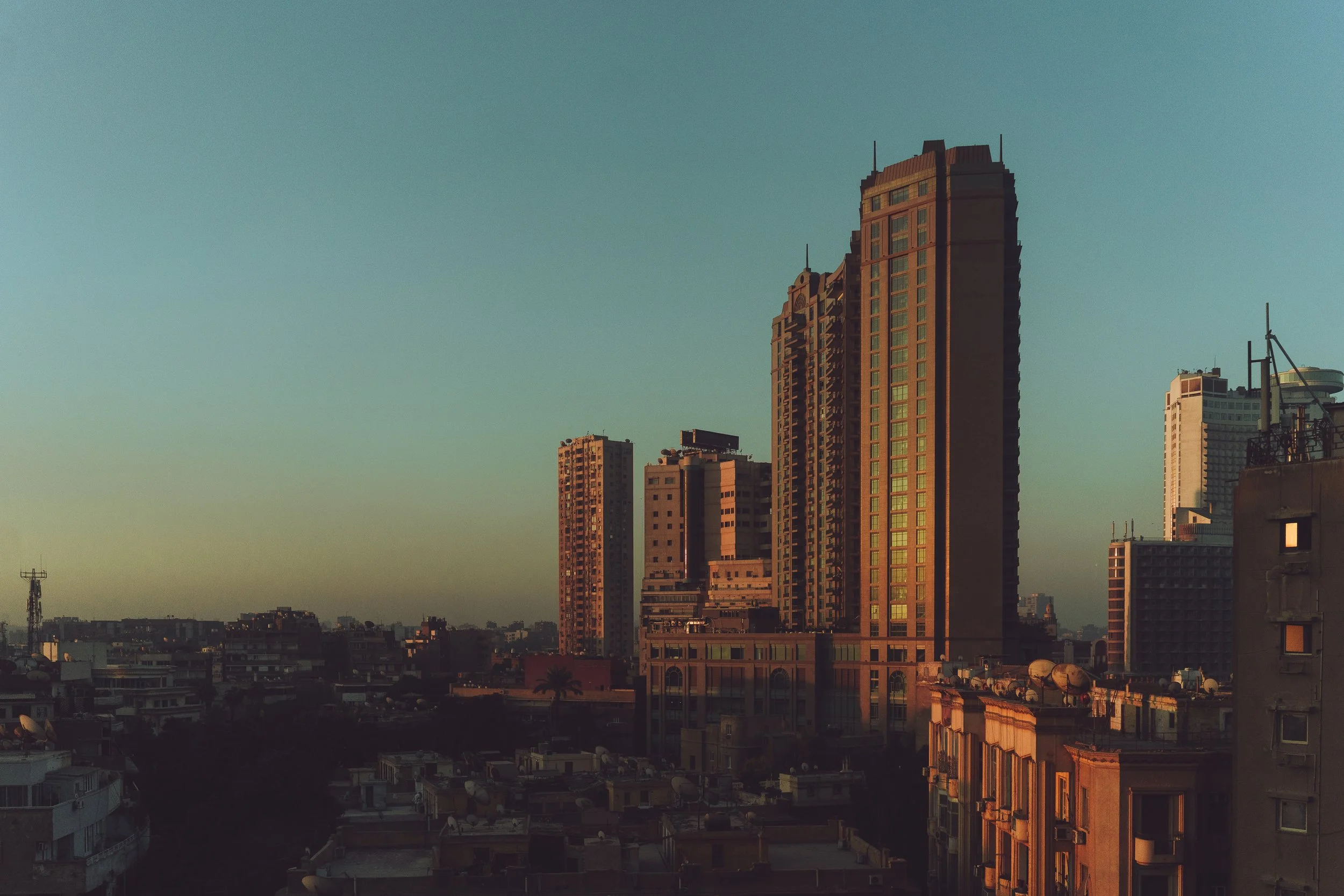
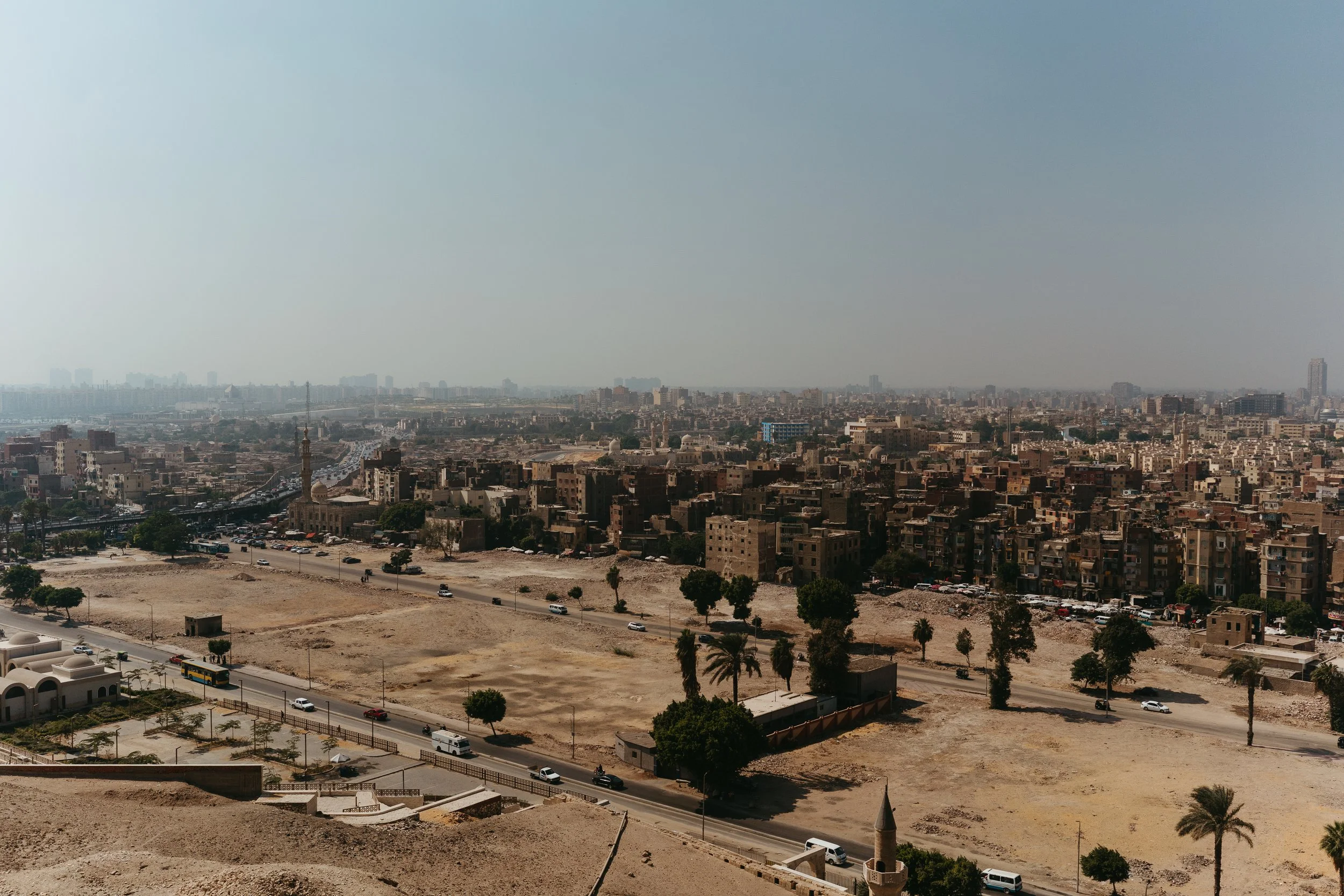
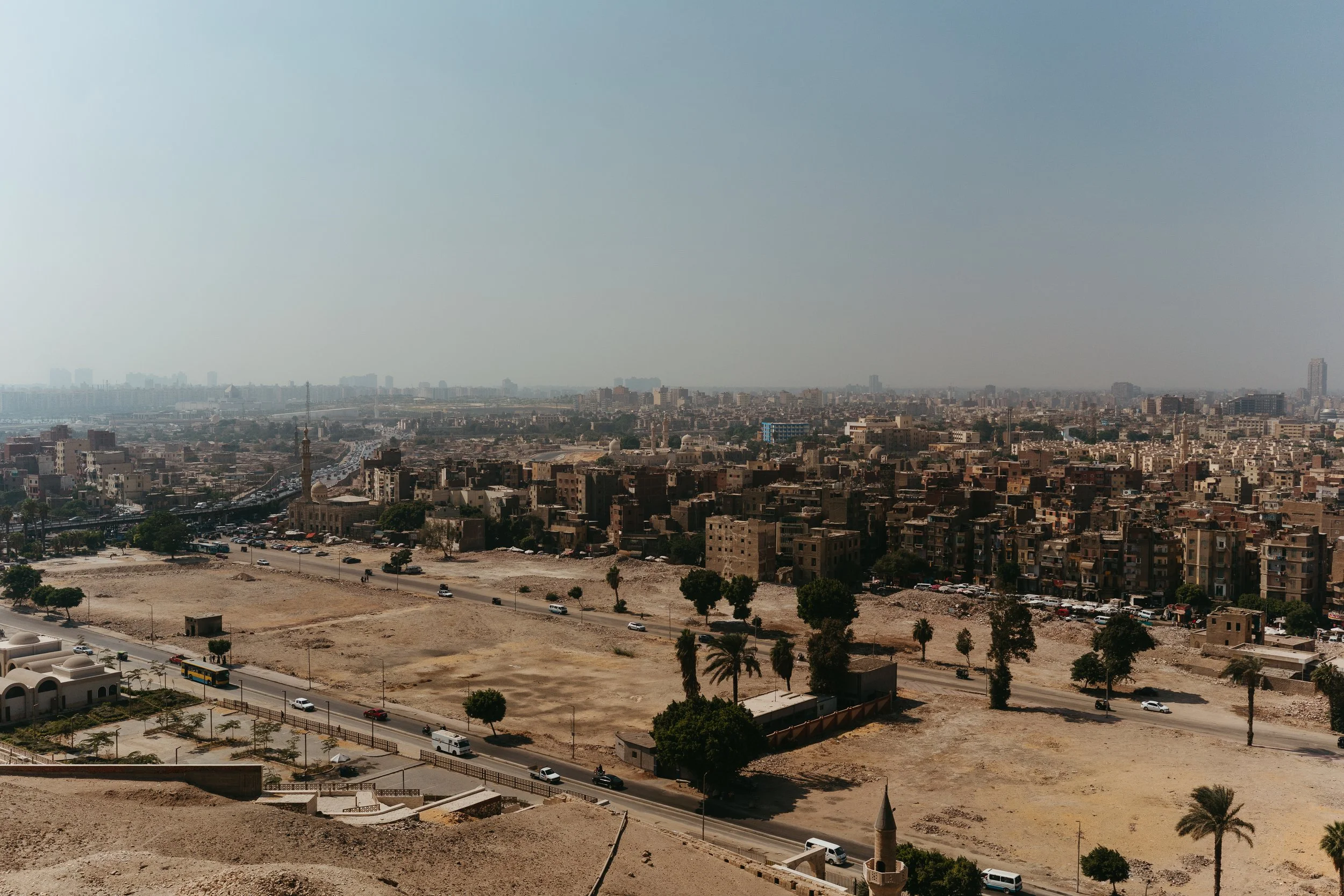
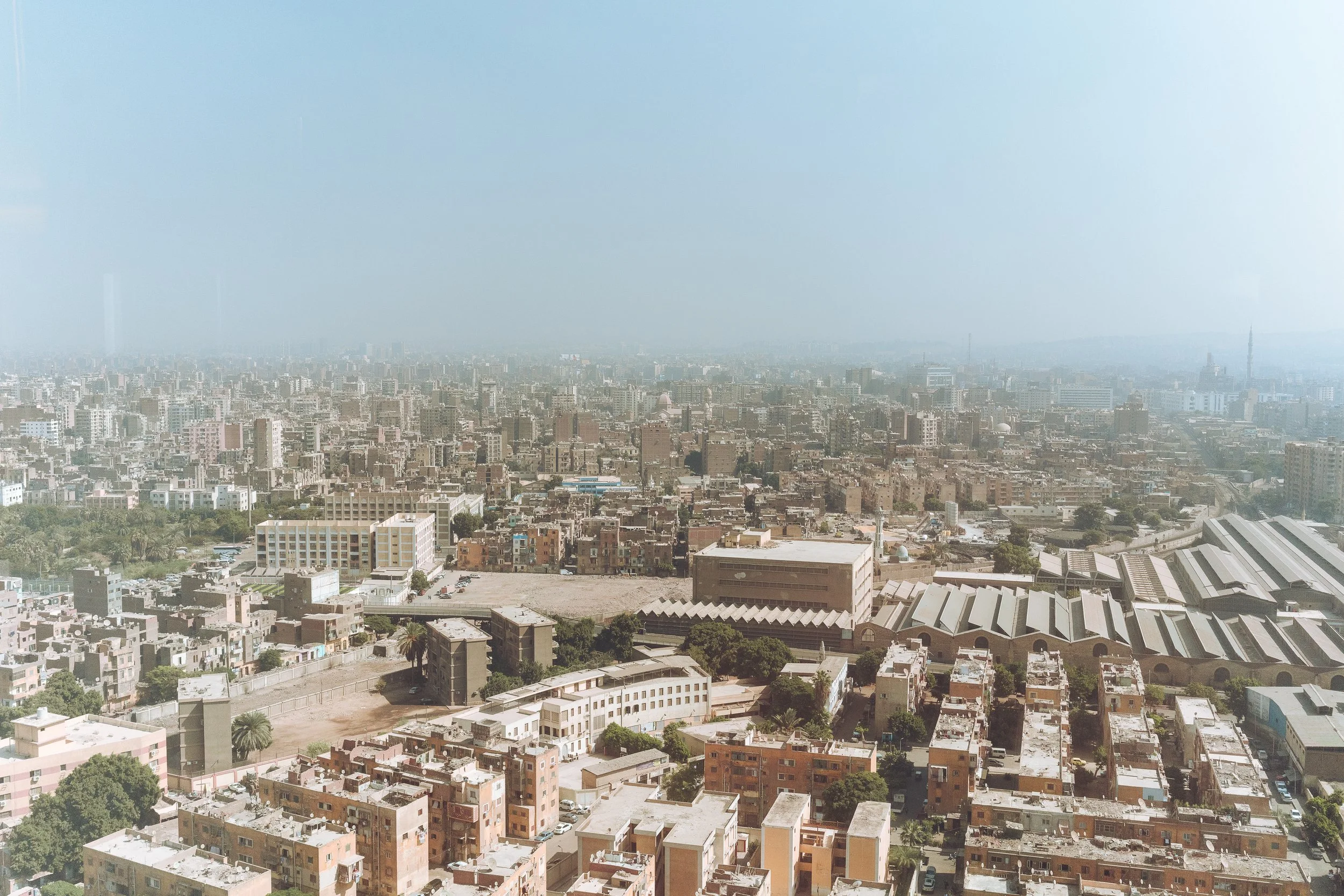
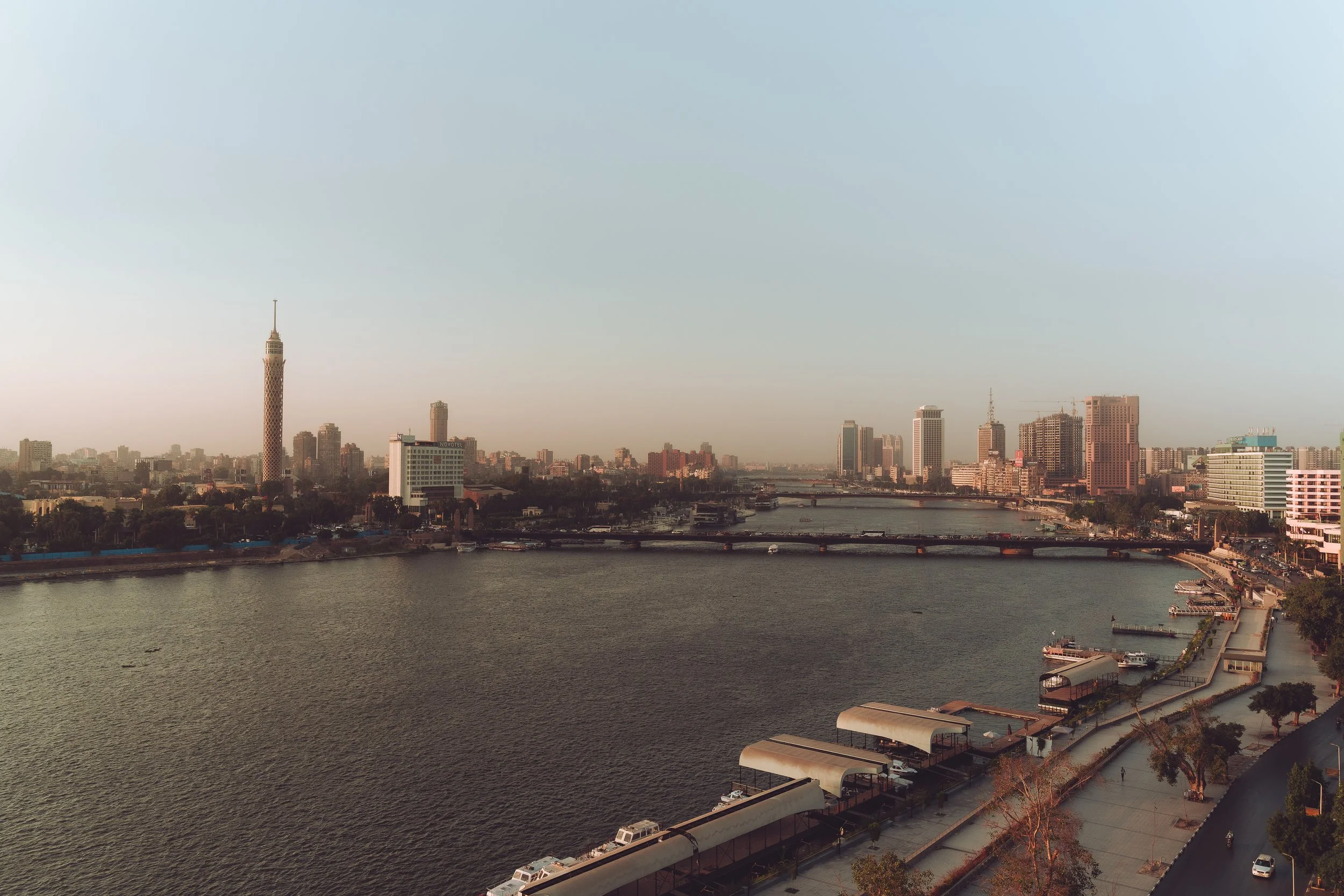
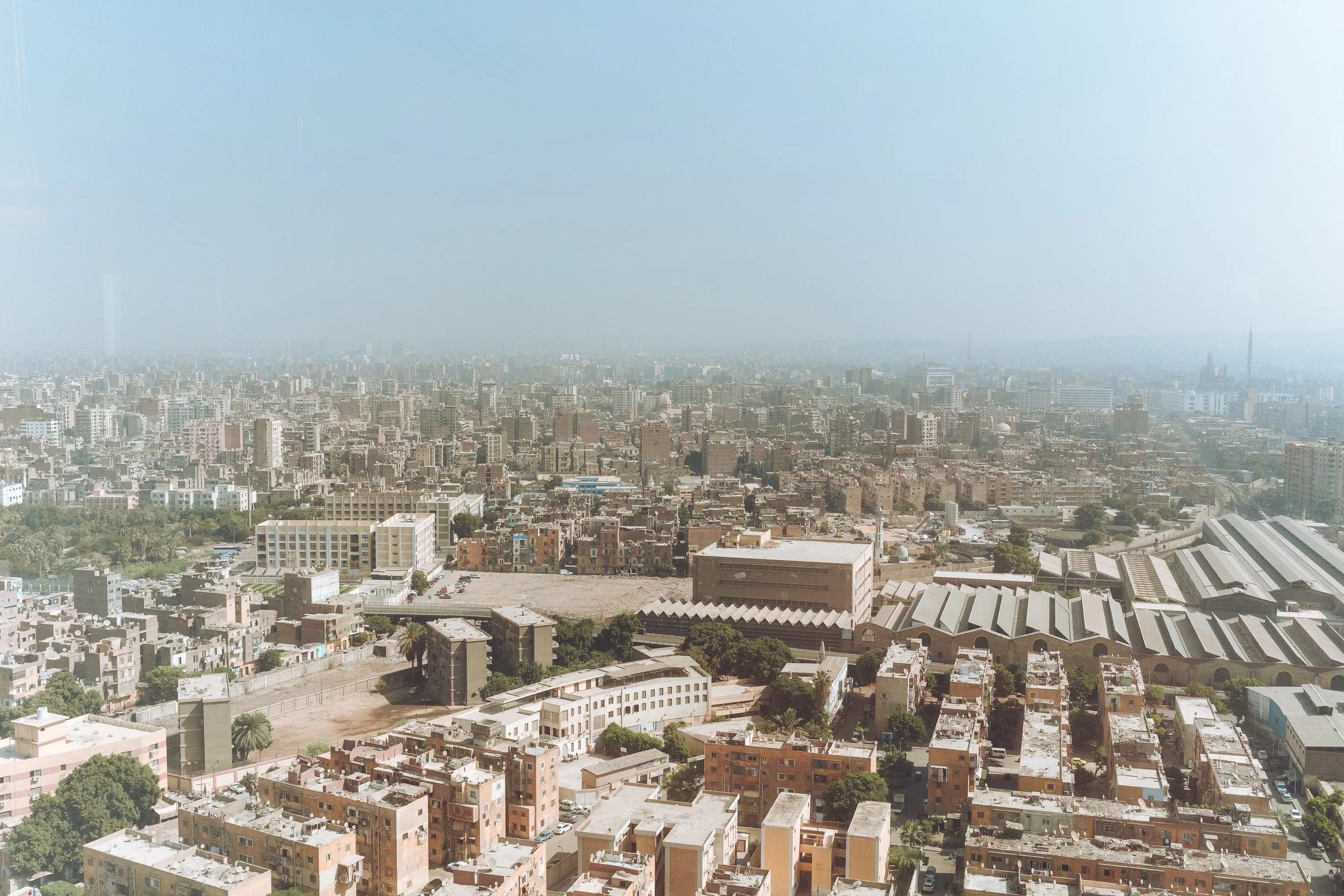
Cairo's wild with half-finished real estate everywhere. Crossing streets and dealing with traffic is sketchy at best. Less than 30% of Egypt's archaeological sites have been excavated so far—the rest is still waiting under the sand. Greater Cairo's got about 23.5 million people spread across Cairo proper, Giza (including 6th of October City), and Shubra El Kheima. Egypt's total population is around 110 million, mostly Muslim with a much smaller Christian minority—you can feel that vibe in the city.
A couple of solid restaurant picks in Cairo: the Italian spot at the Ritz-Carlton (Vivo) and the Fairmont Hotel's options.
Day 2
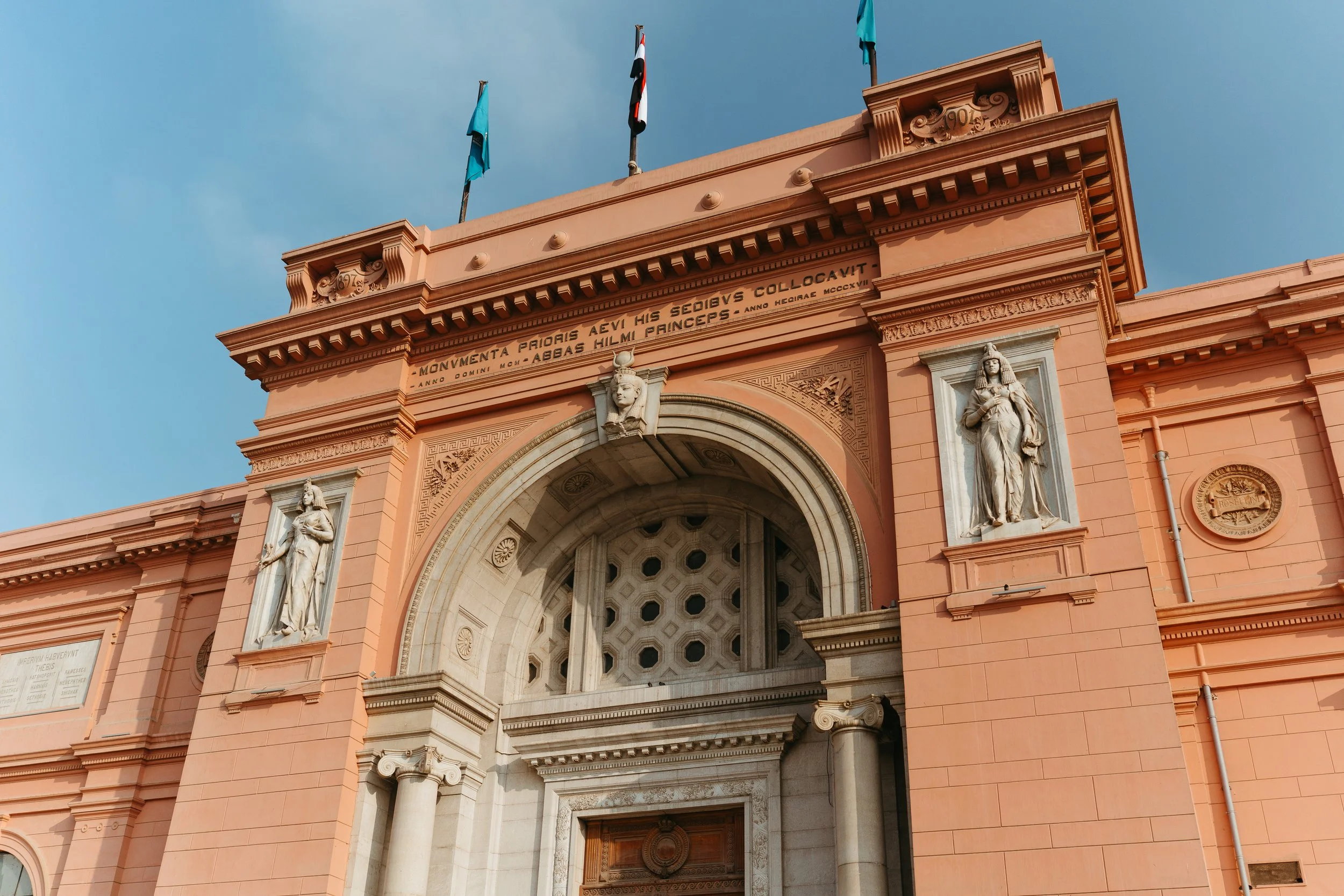
Old Egyptian Museum: Housed in this grand neoclassical building custom-made for its treasures, it opened in 1902. When I visited, they were prepping for the new Grand Egyptian Museum, so some pieces had already moved, but the building, standout artifacts, and mummies made it worthwhile. The price for this museum is 550 LE (around 11 EUR).
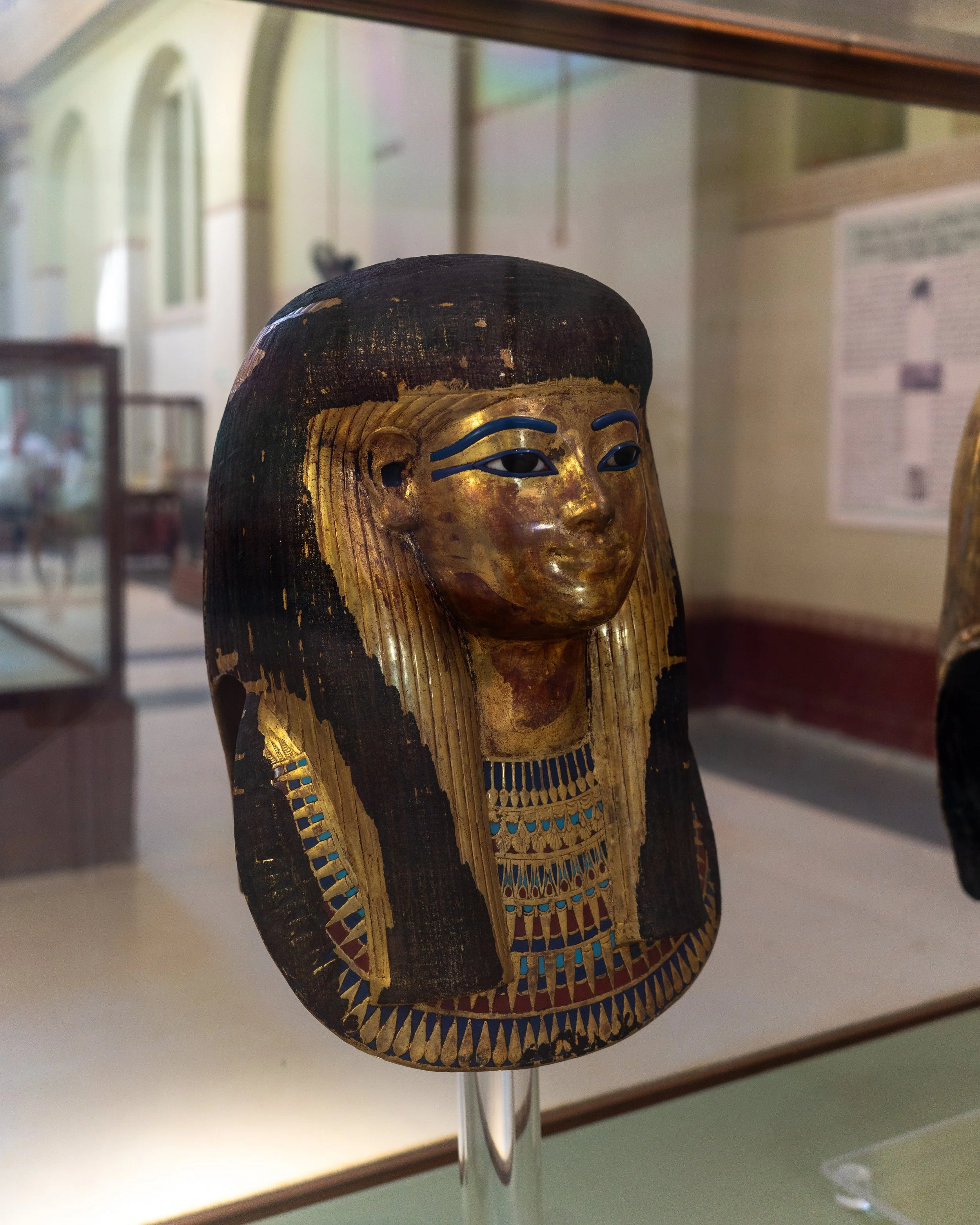
You see Tutankhamun's sarcophagus and gear—funny thing, he wasn't a big deal in his time, but his tomb was found intact and super well-preserved, which shot him to fame. I got hooked on the whole embalming process for these mummies.
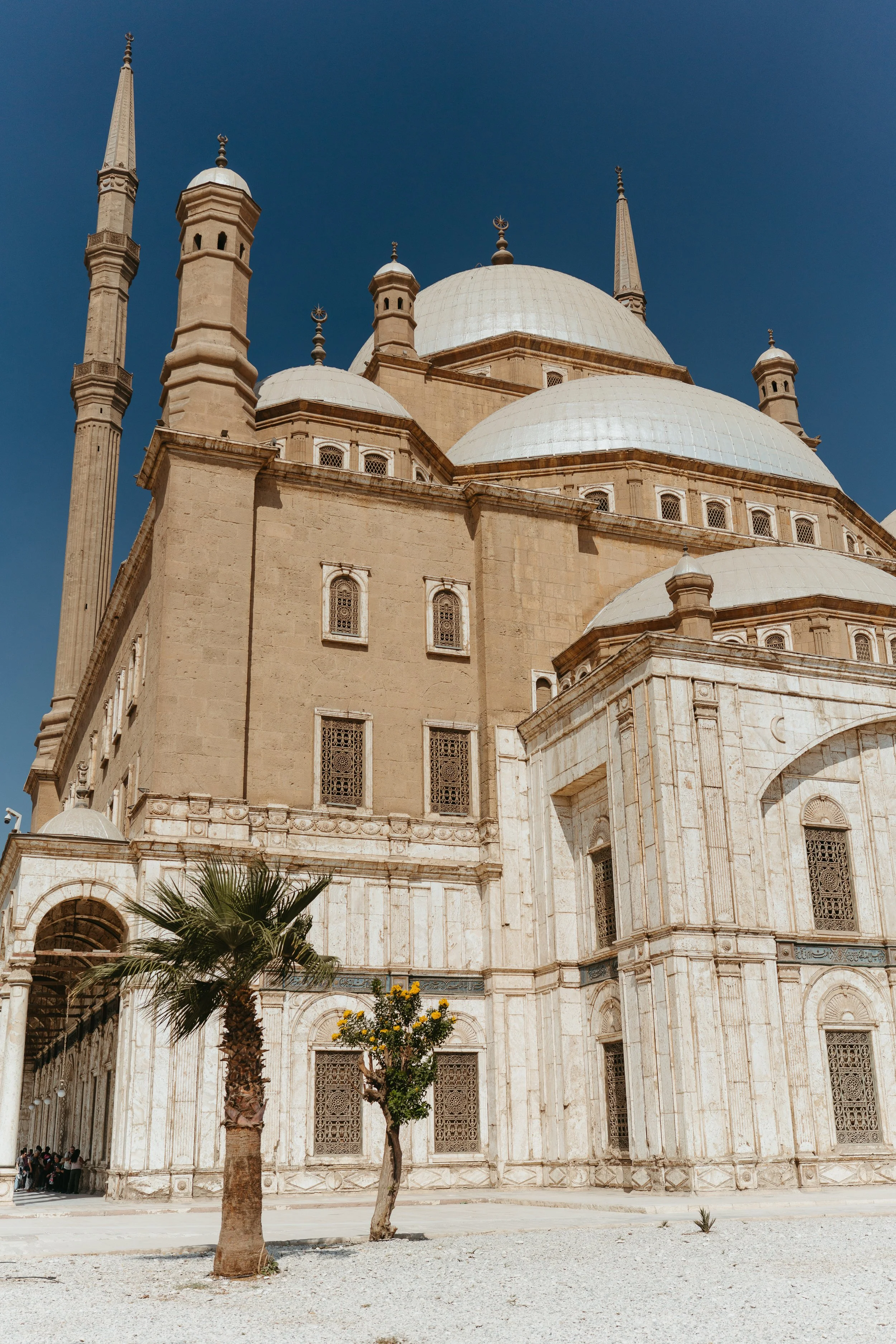
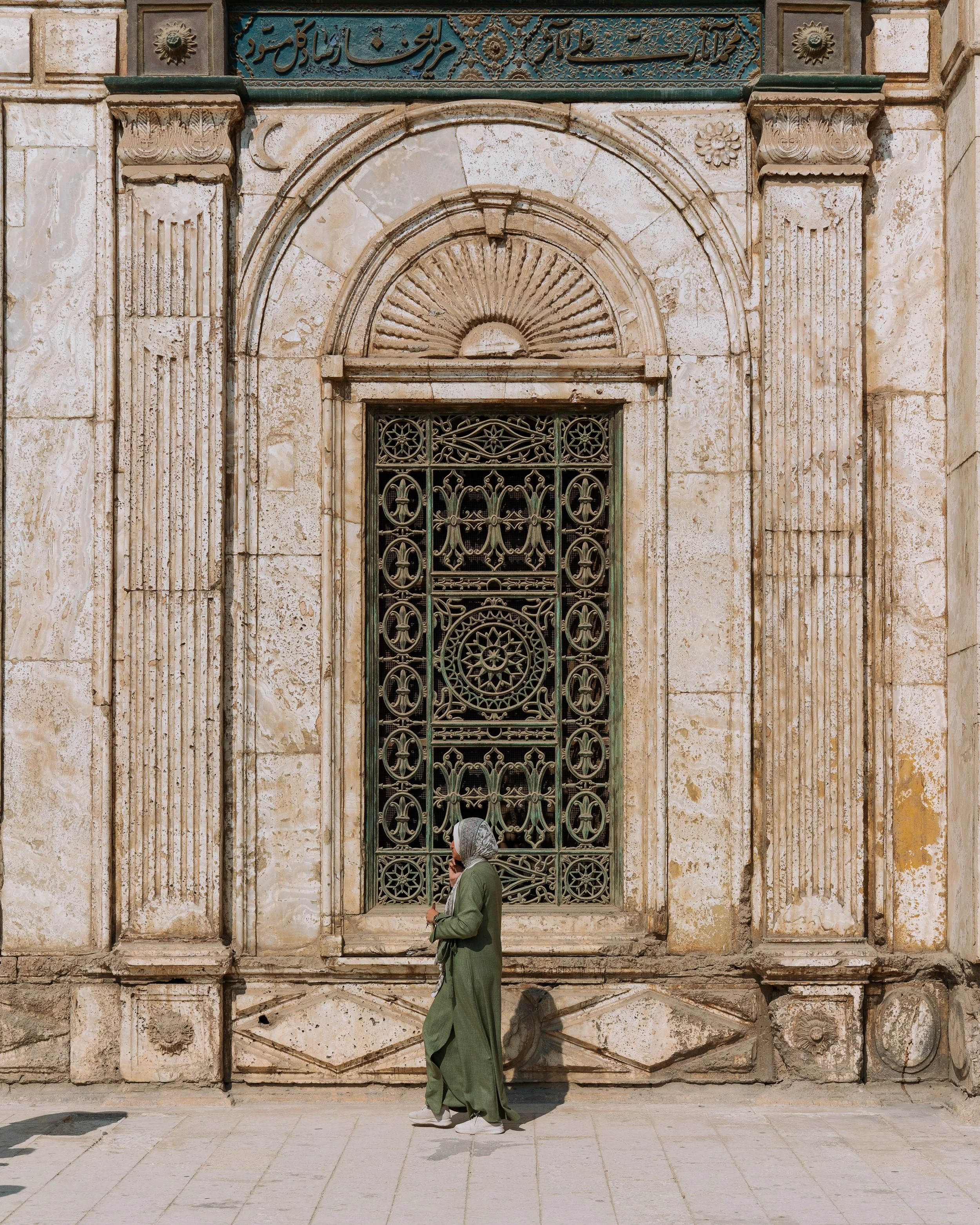
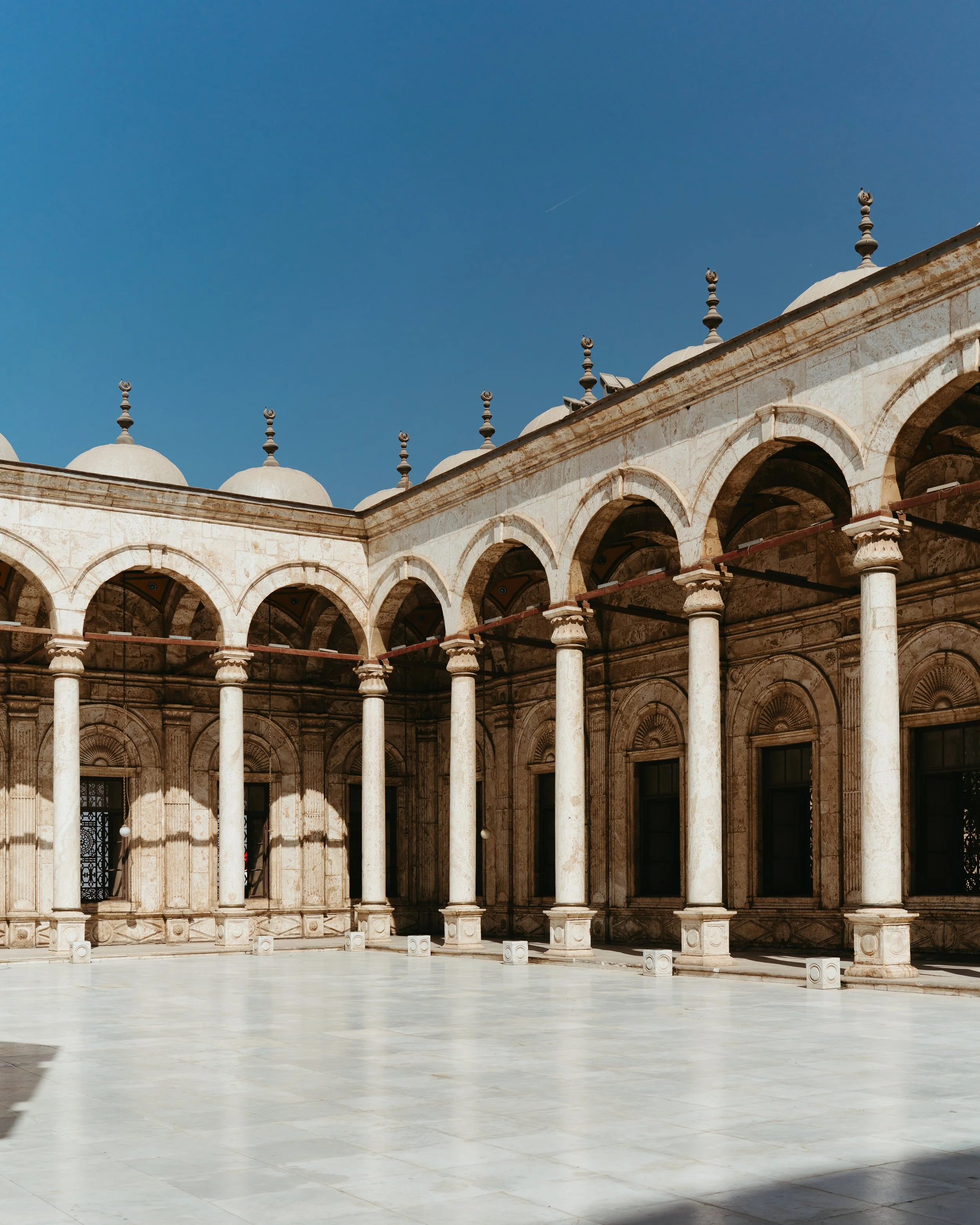
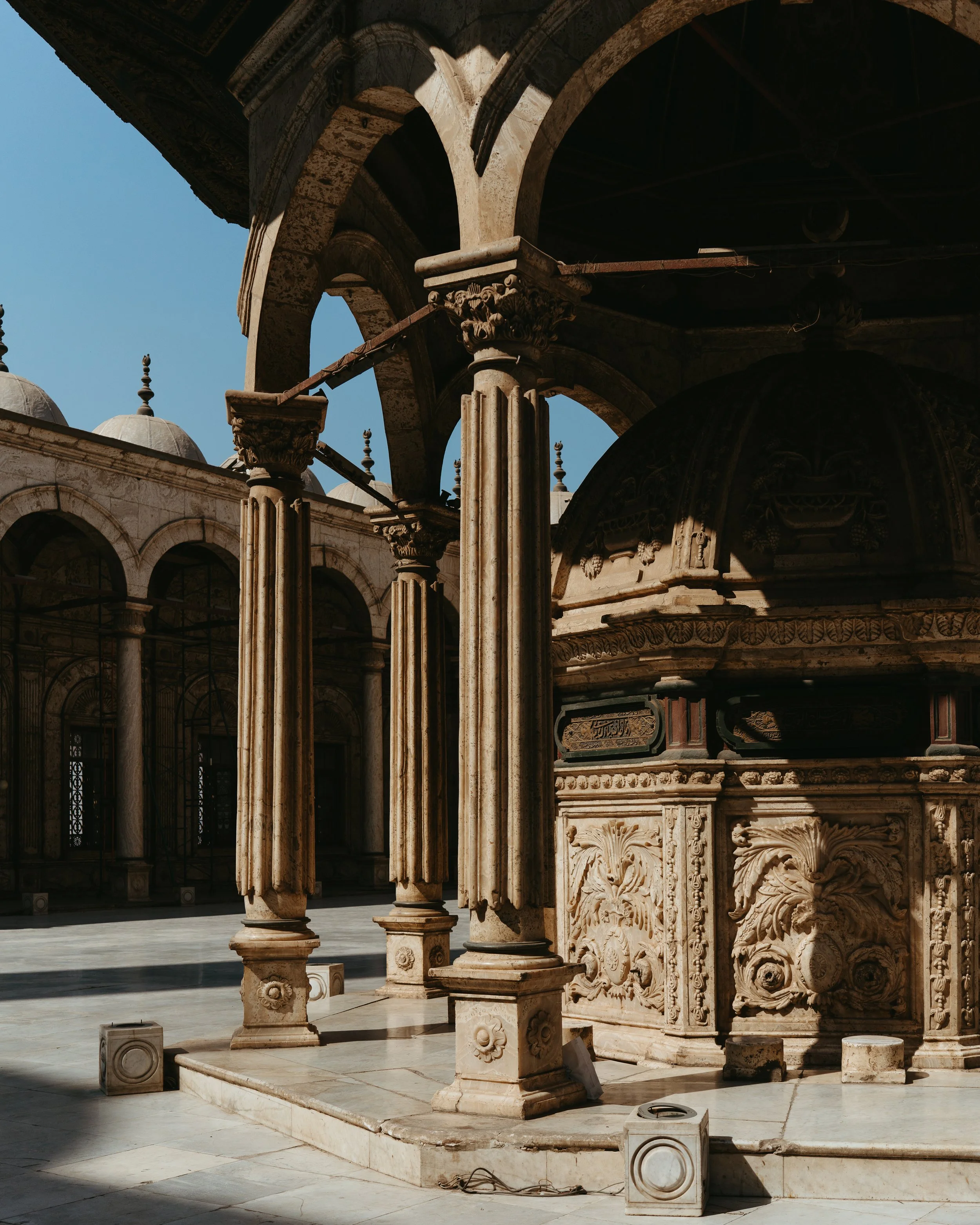
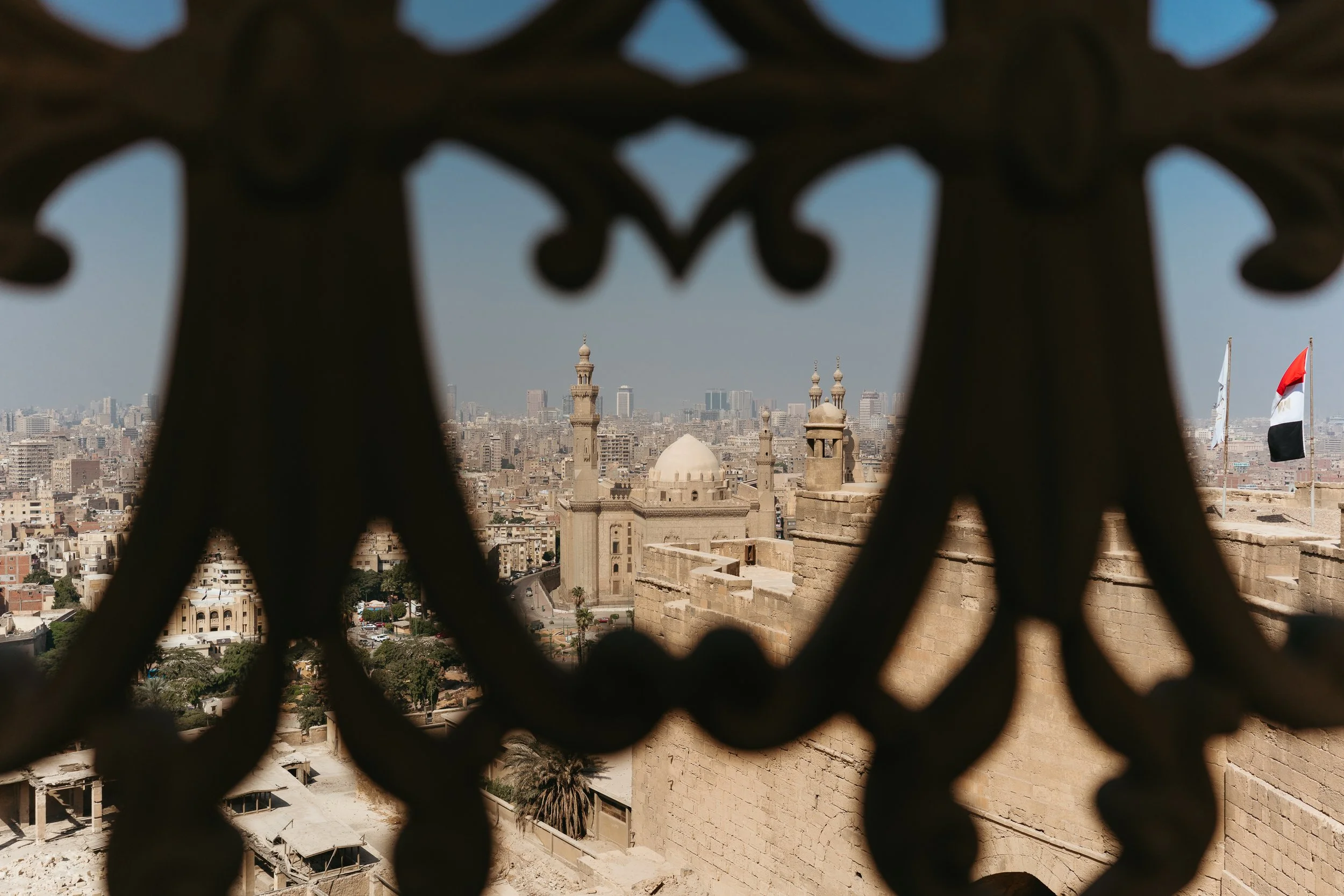
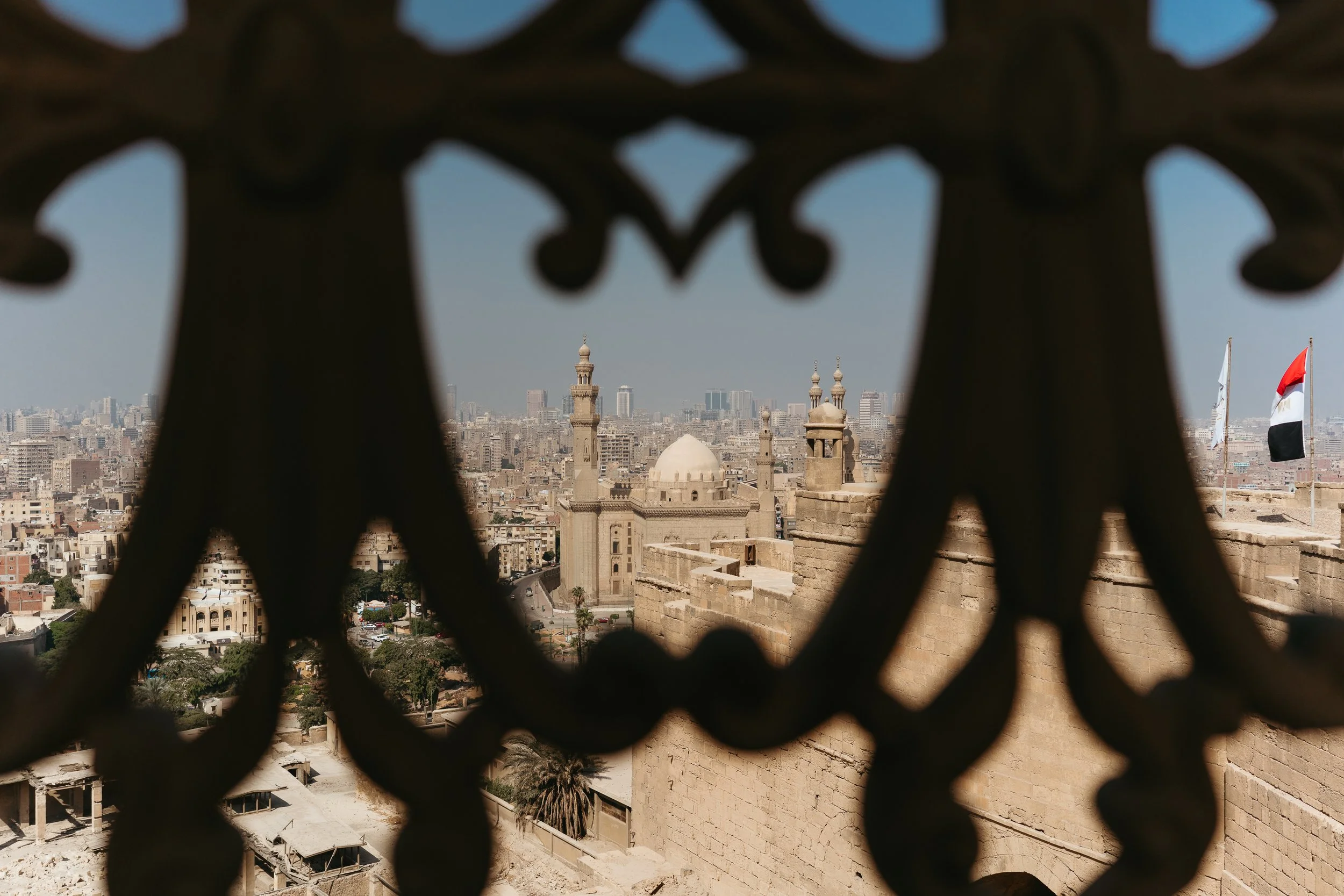
Saladin Citadel: Killer panoramic views of Cairo. It's a top sight with spots like the stunning Gawhara Palace, carriage museum, military museum (nothing special), and three major mosques: Sultan Hassan, Ibn Tulun, and Al-Rifai. The price for this site is 550 LE (around 11 EUR).
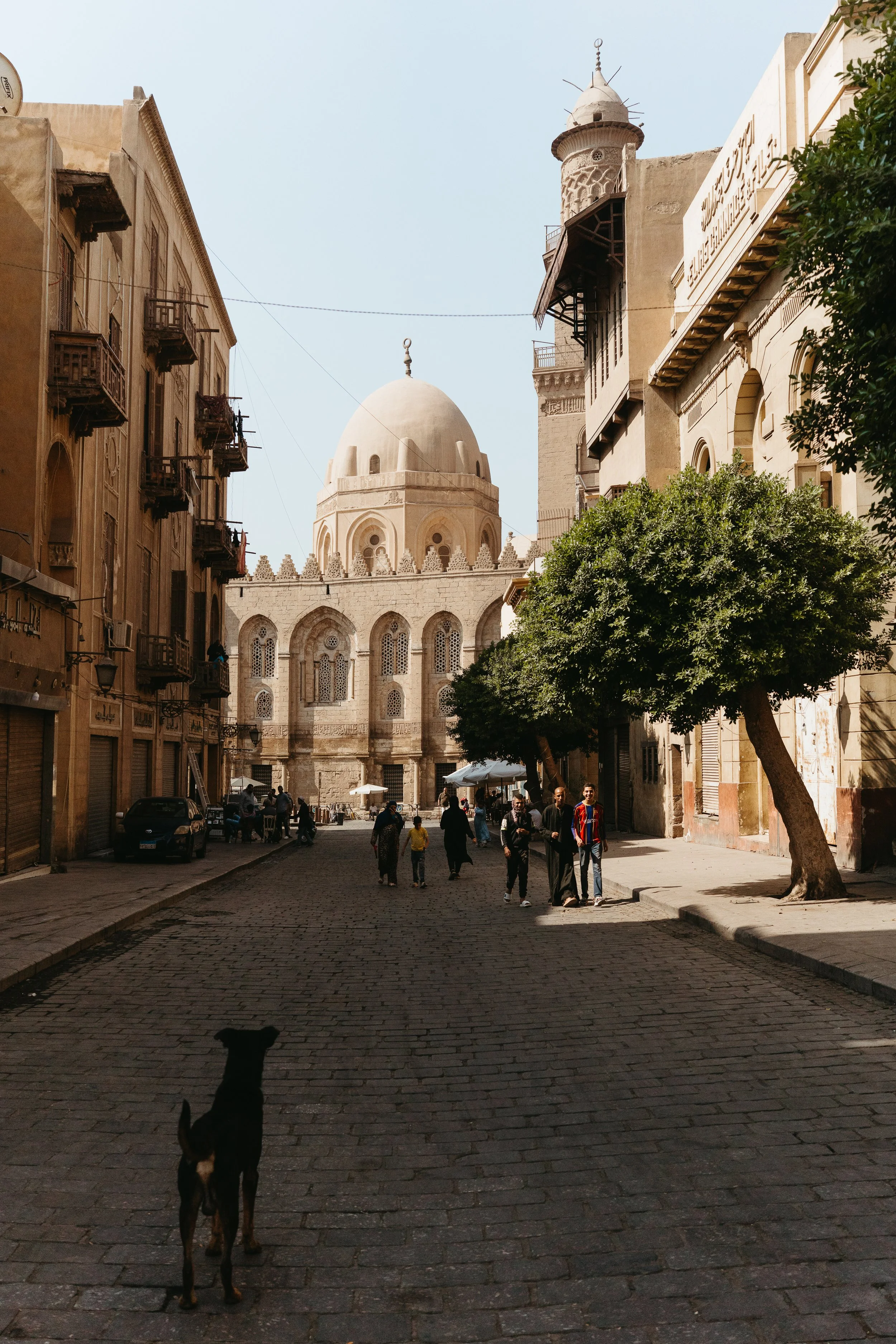
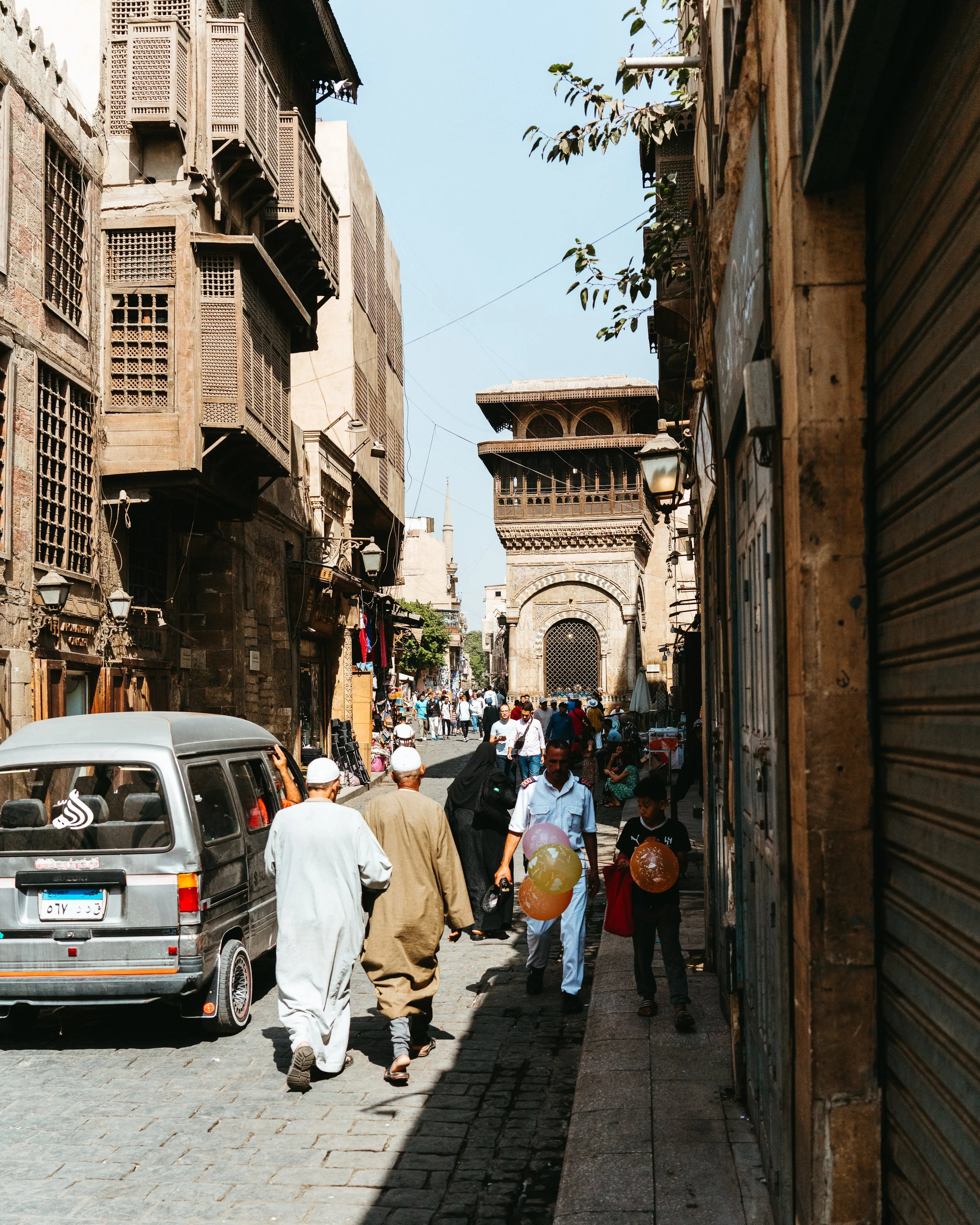
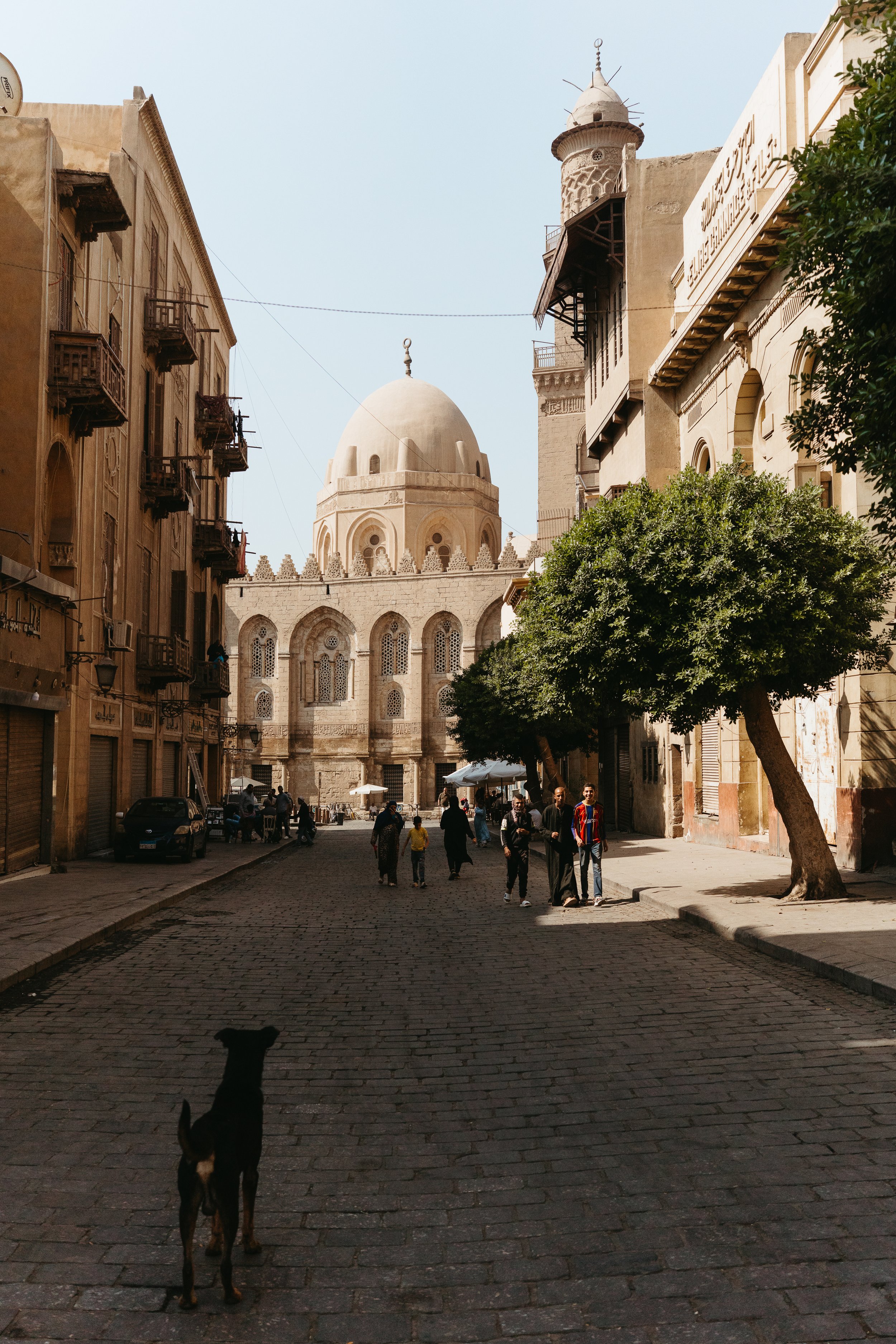
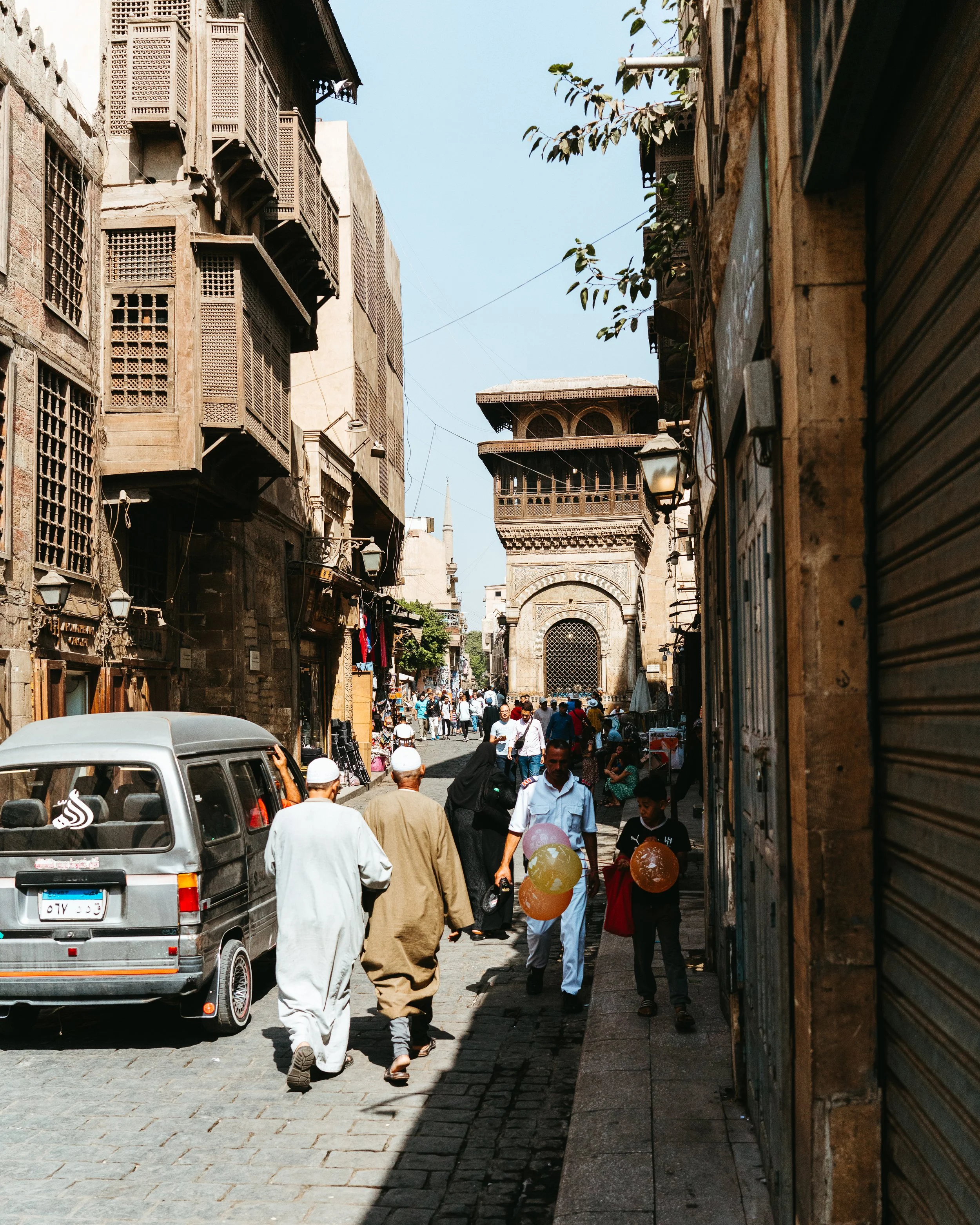
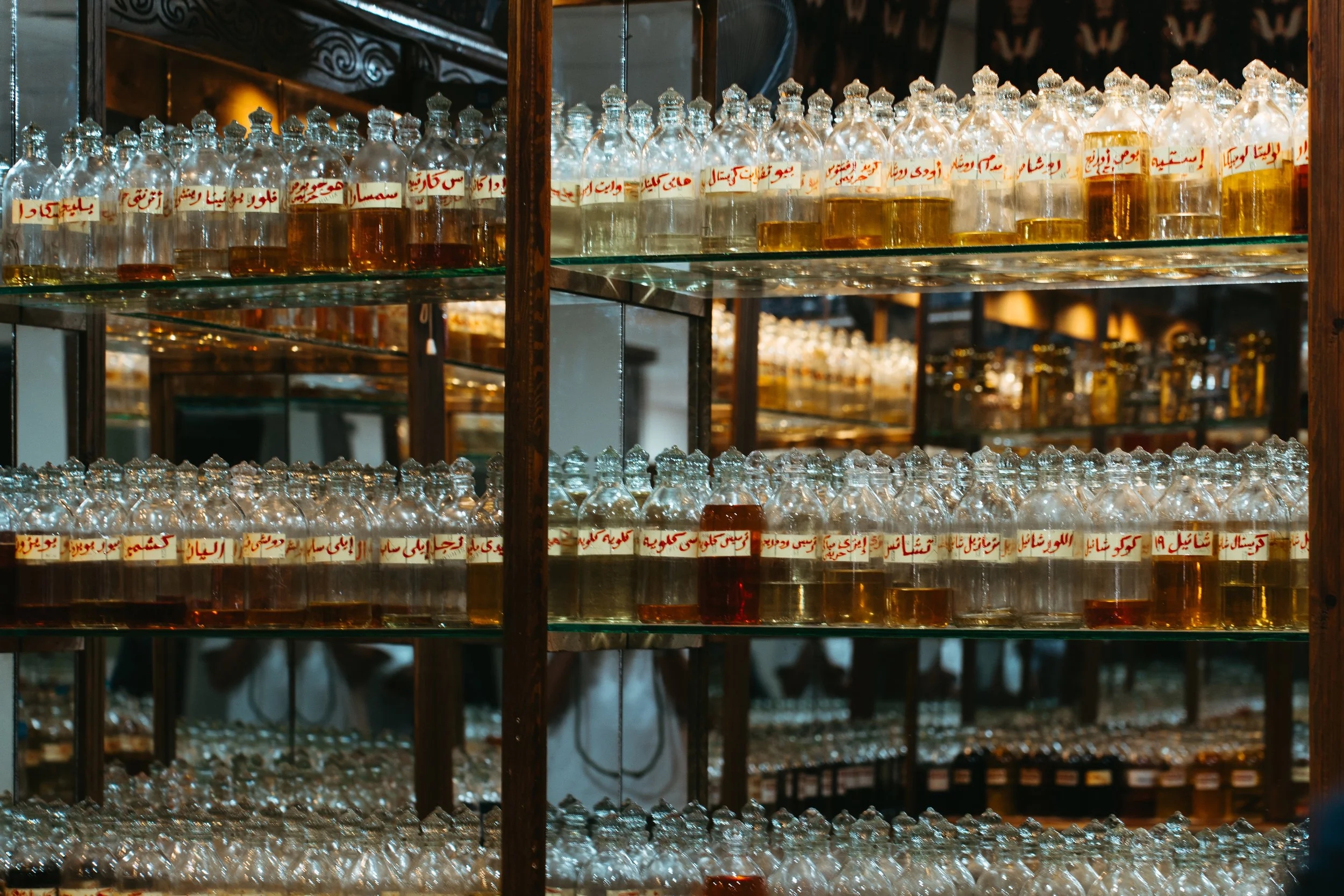
Beyond the big monuments, Khan el-Khalili Bazaar is fun for a stroll amid endless shops selling replicas and trinkets. It's a different vibe, but you can cover it quickly.
Day 3
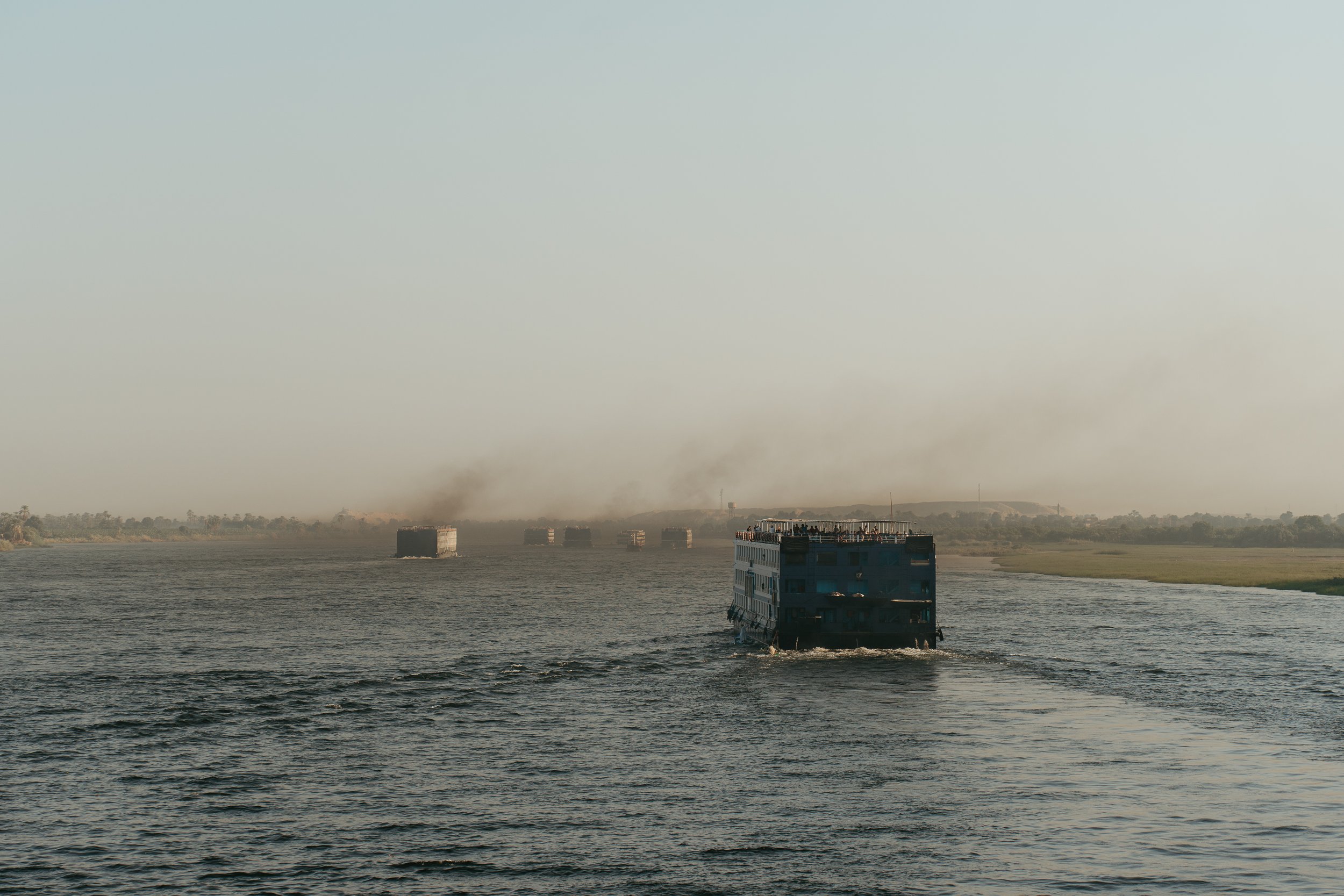
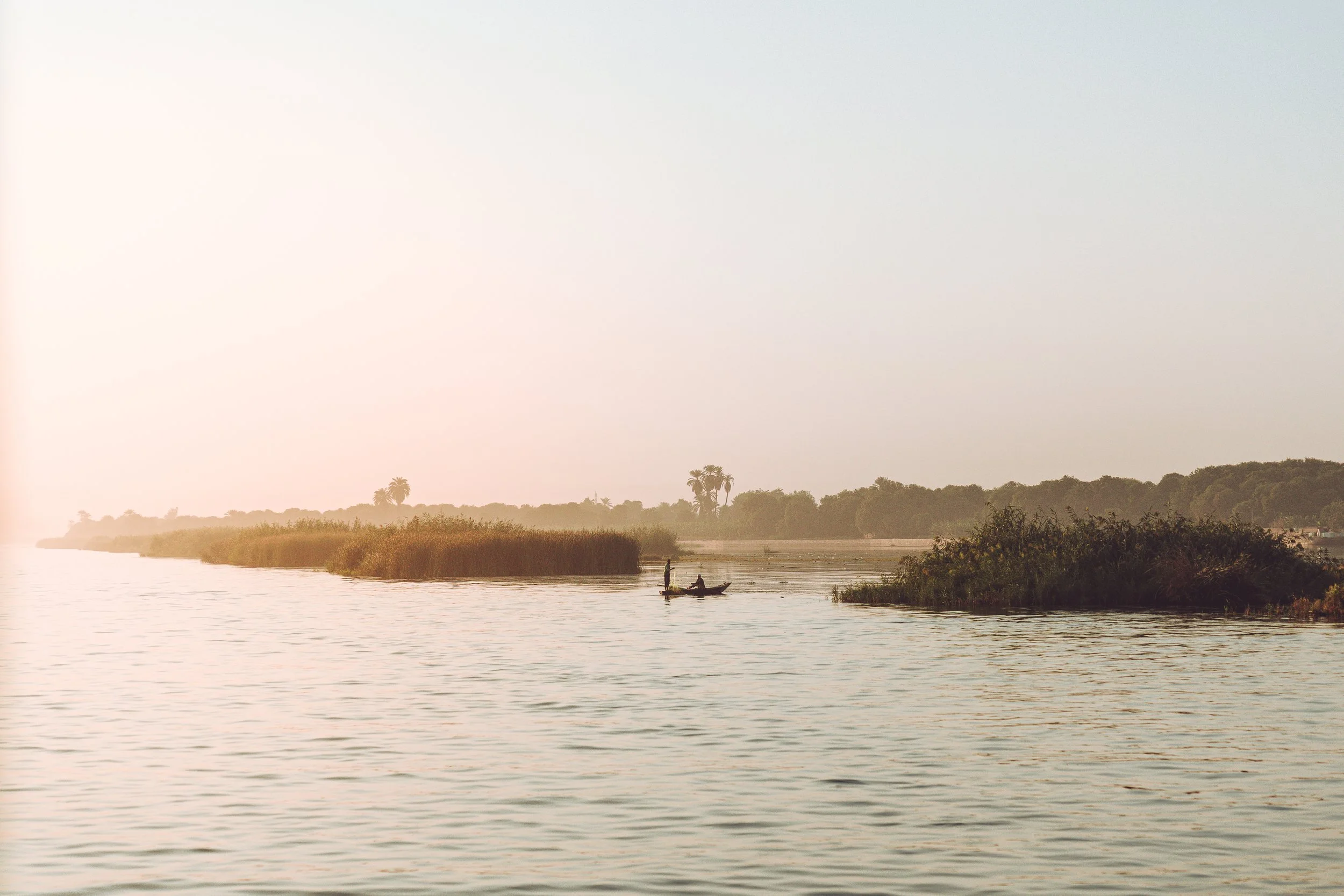
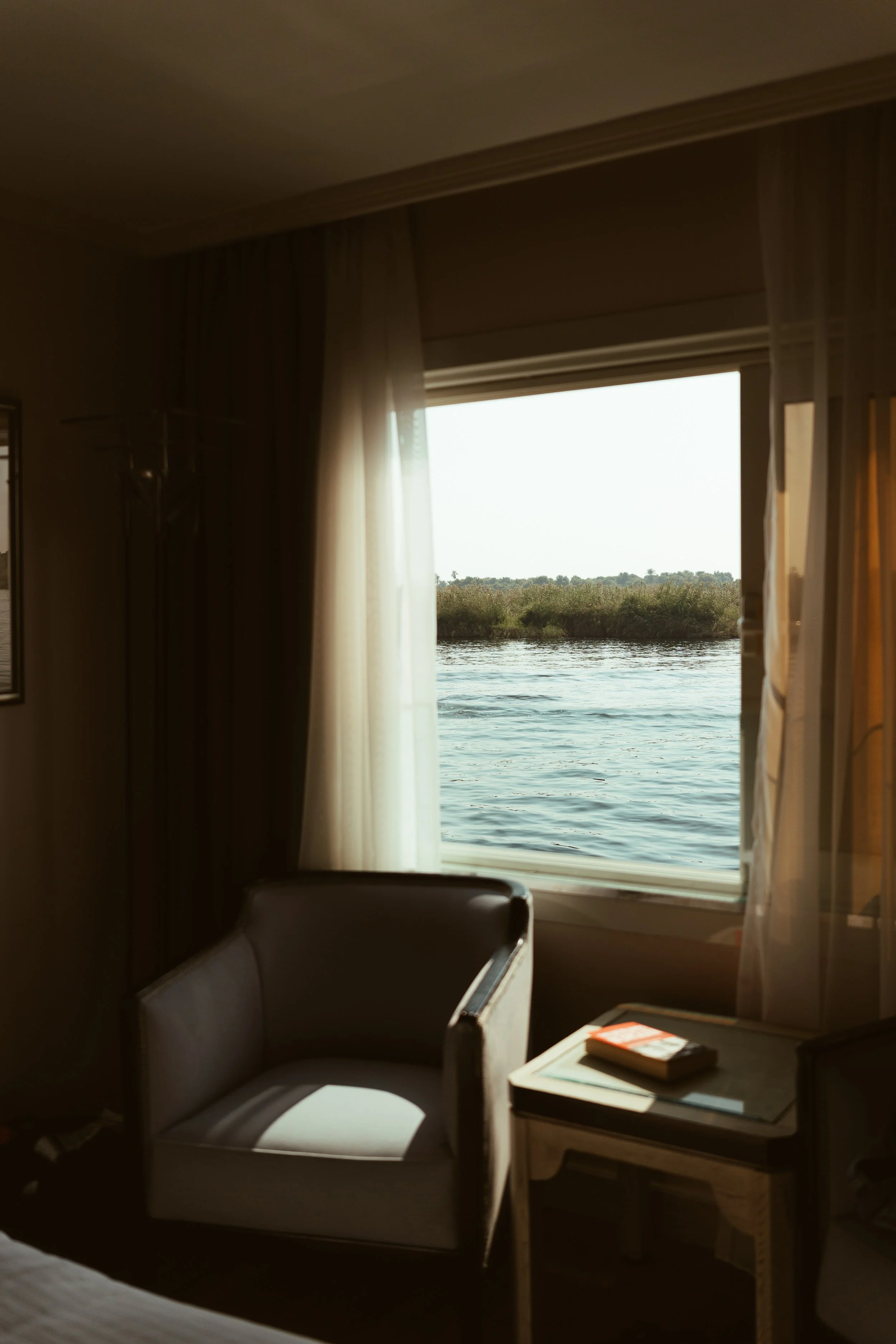
Early flight to Luxor. Right after landing and boarding our Nile cruise ship, I was stunned by how jammed the river was with boats. Our guide said the government's hands-off because tourism pays the bills—no real crowd control. I counted at least 15 cruises kicking off the same route that day, so we'd be bumping into the same groups at every temple. Pro tip: Go for a smaller ship (4-5 cabins). You hit sites at off-peak times, avoid the masses, and customize everything—but yeah, it costs more. Crew's all men since shifts run 3-4 days, and women aren't away from home that long.
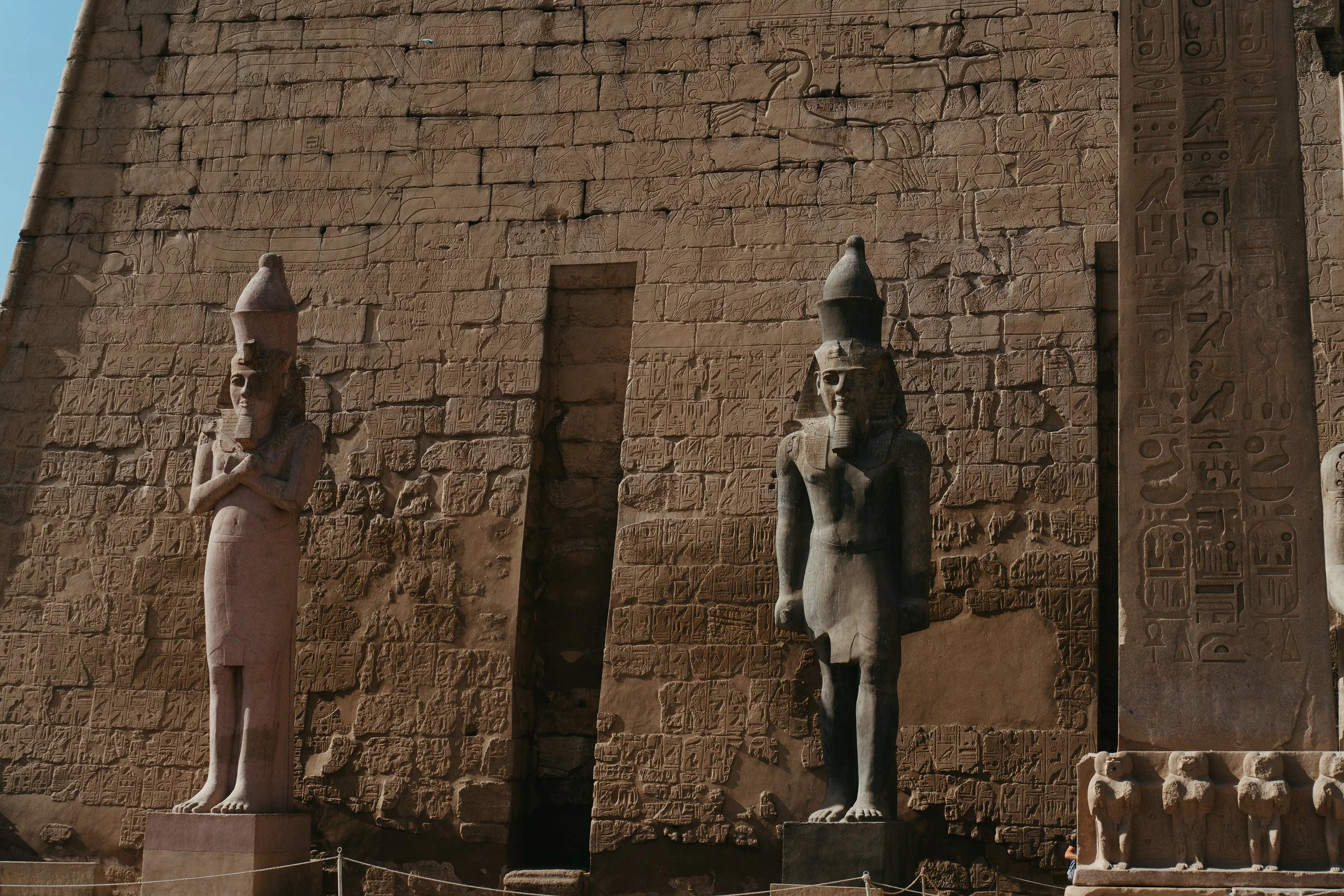
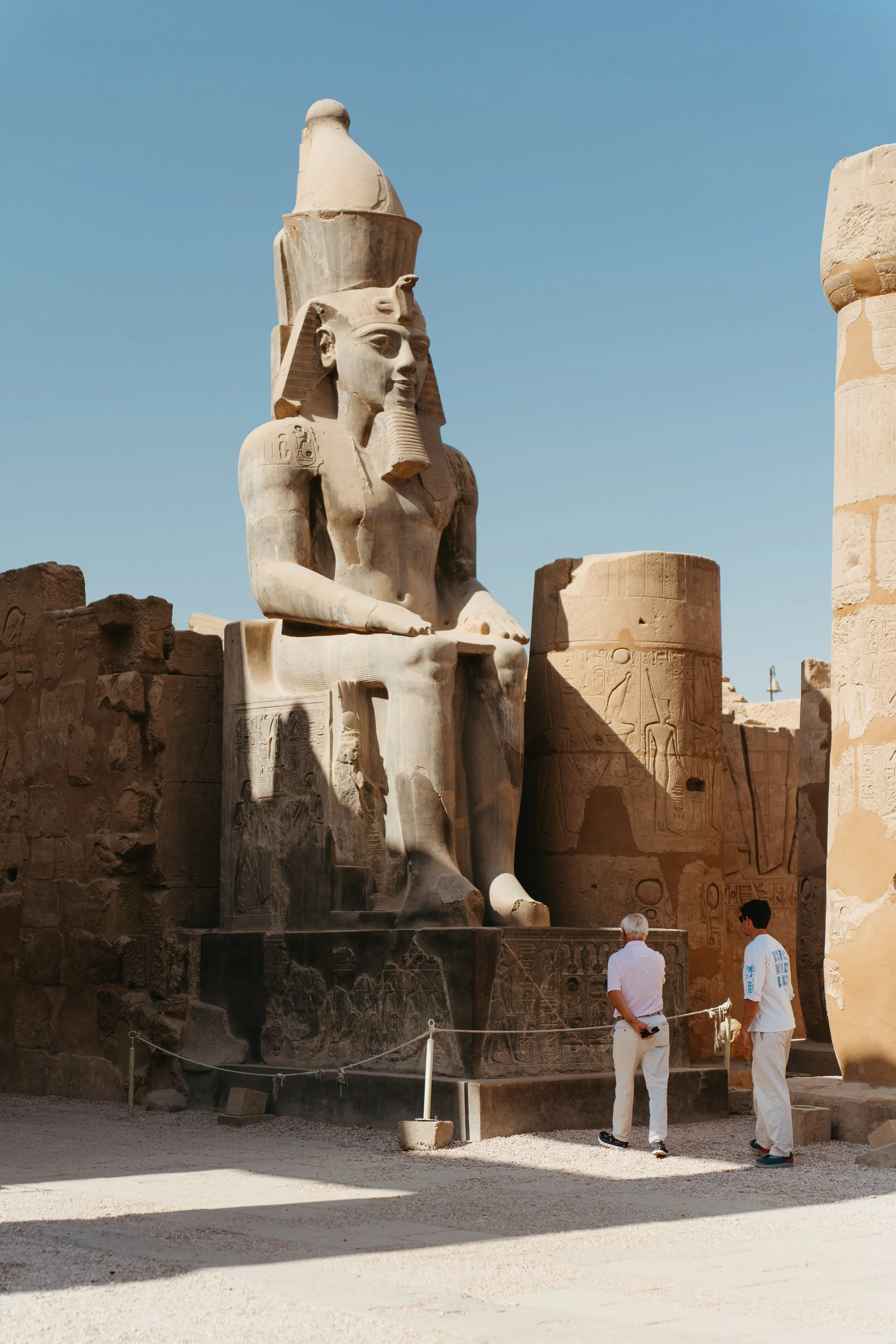
Luxor Temple: Loved it—everything's so majestic, you feel tiny next to those sculptures. The detail and craftsmanship are insane. Built between 1400-1000 BC by Amenhotep III (inner part) and Ramses II (outer facade, colossi, obelisks), it's 260 meters long and dedicated to Amun (god of wind). Fun fact: One obelisk ended up in Paris's Place de la Concorde as a 1836 gift from Mohamed Ali. Cool to spot Alexander the Great's reliefs from around 332 BC, where he poses as pharaoh offering to Amun and gods to legitimize his rule post-conquest. The price for this temple is 500 LE (around 10 EUR).
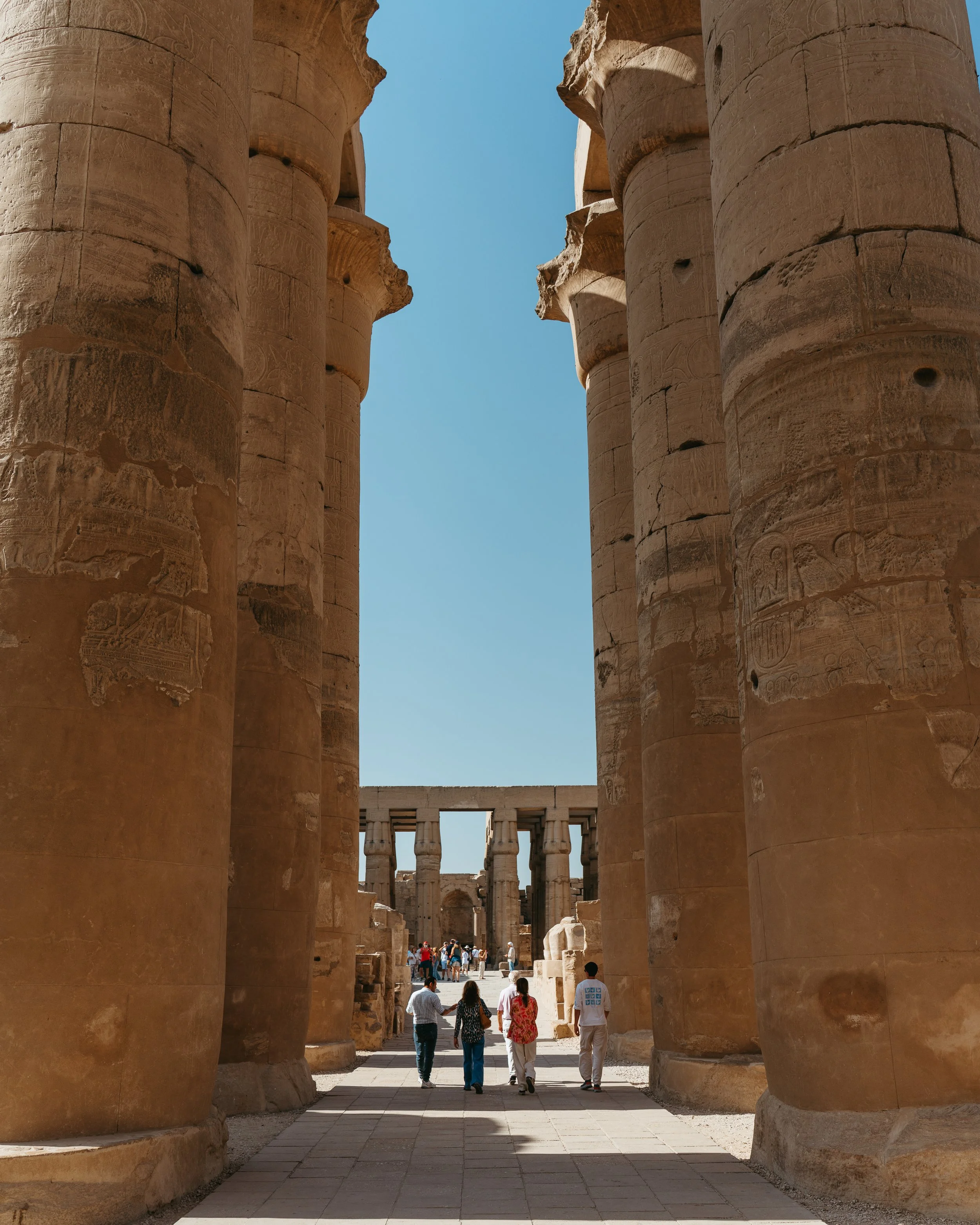
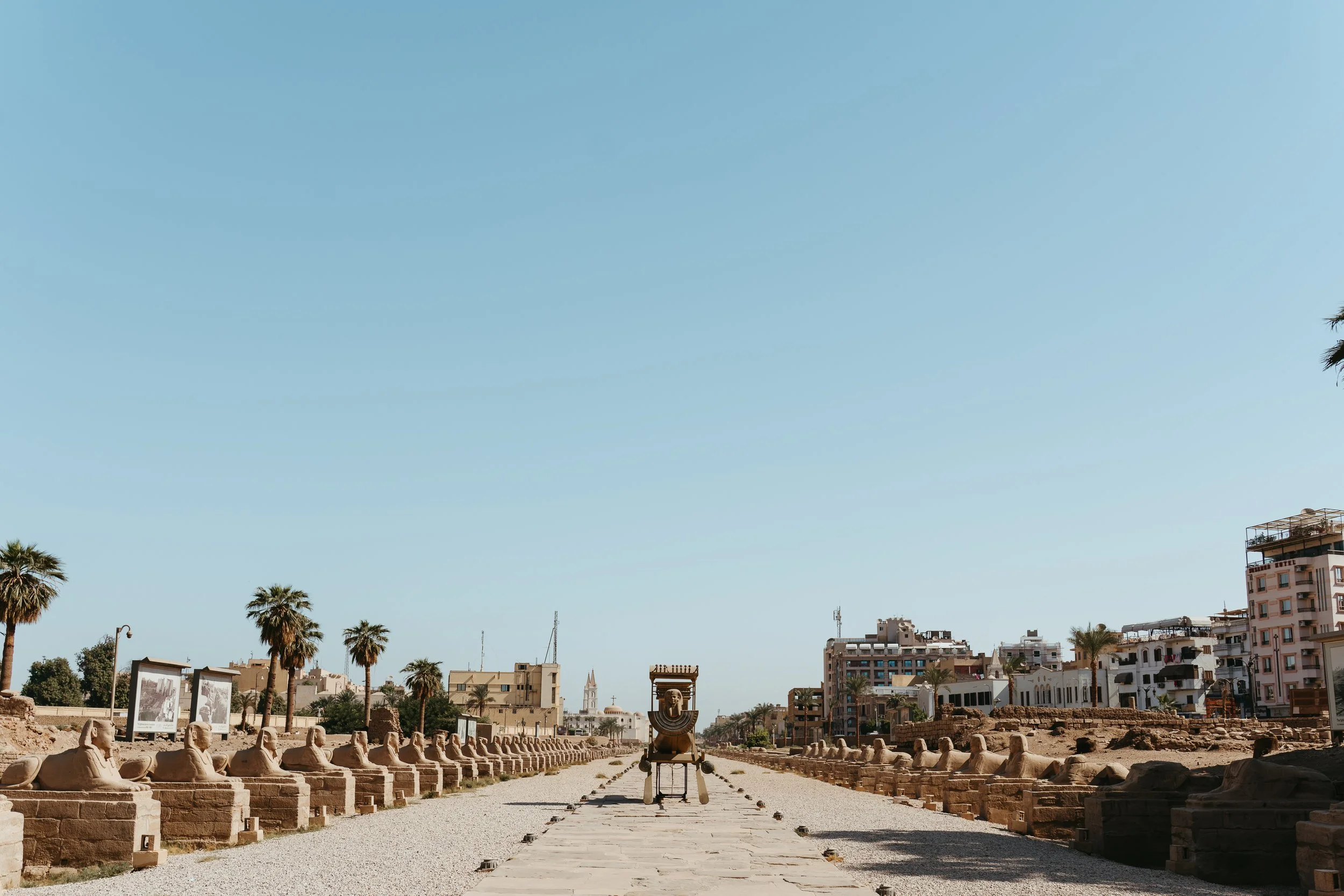
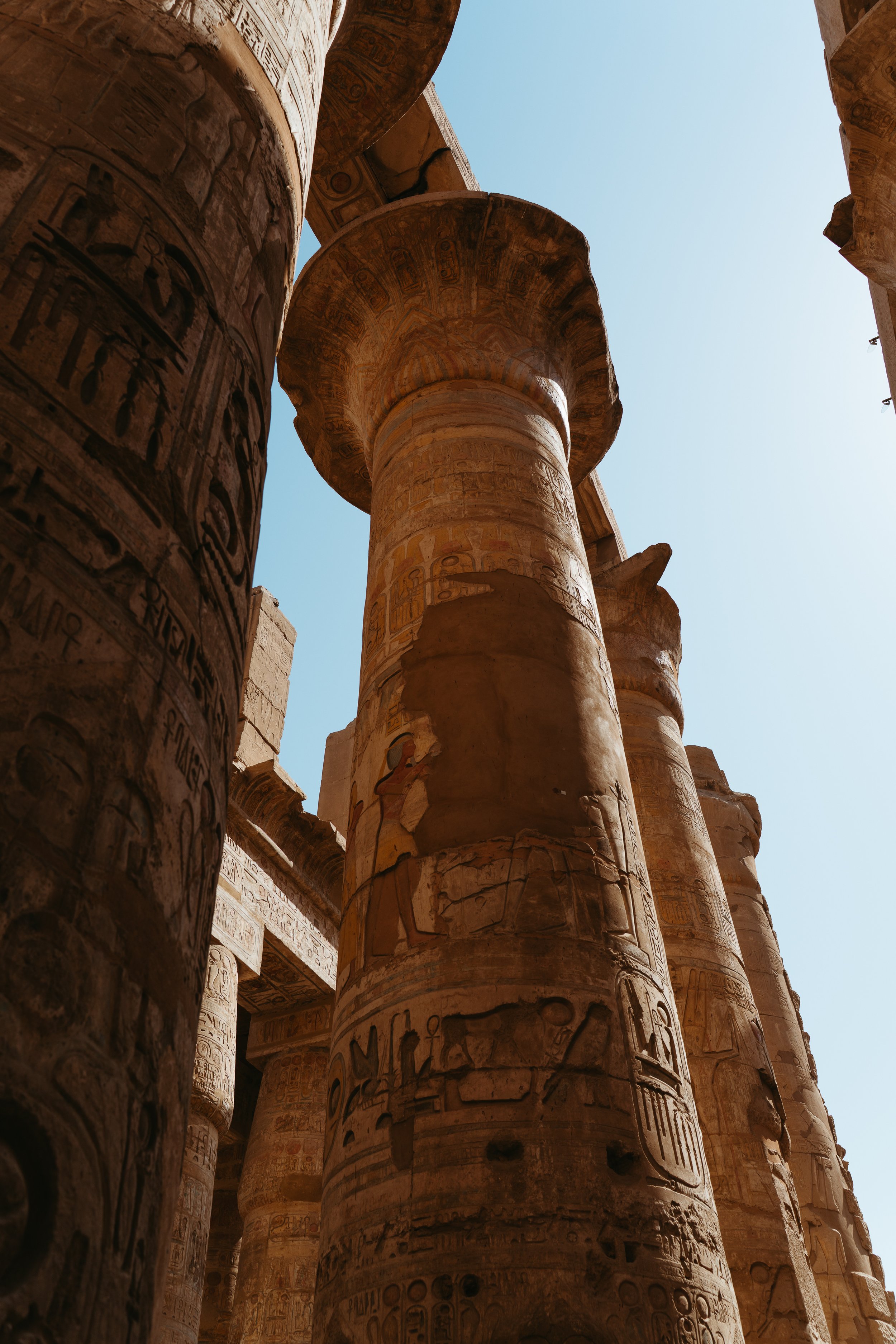
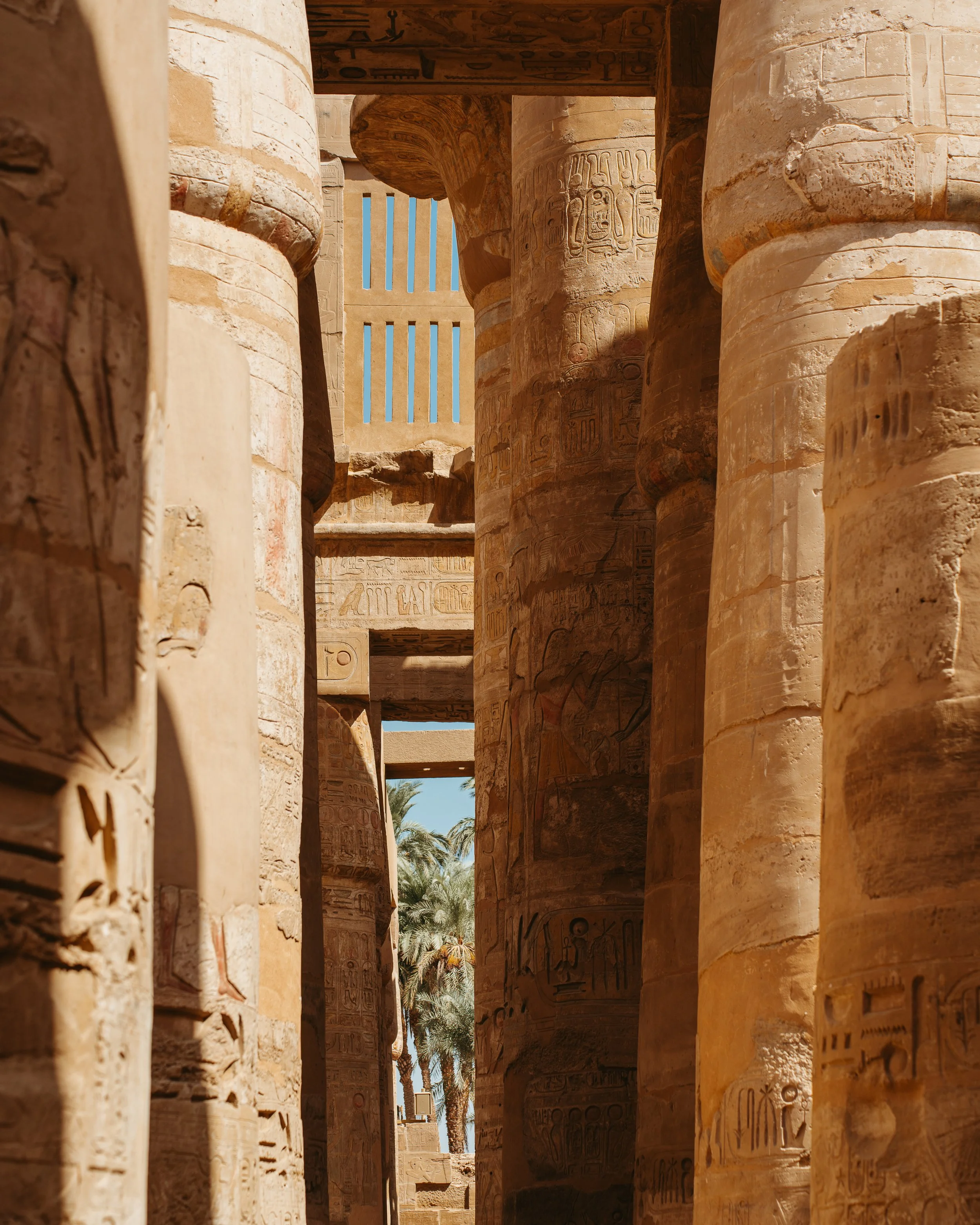
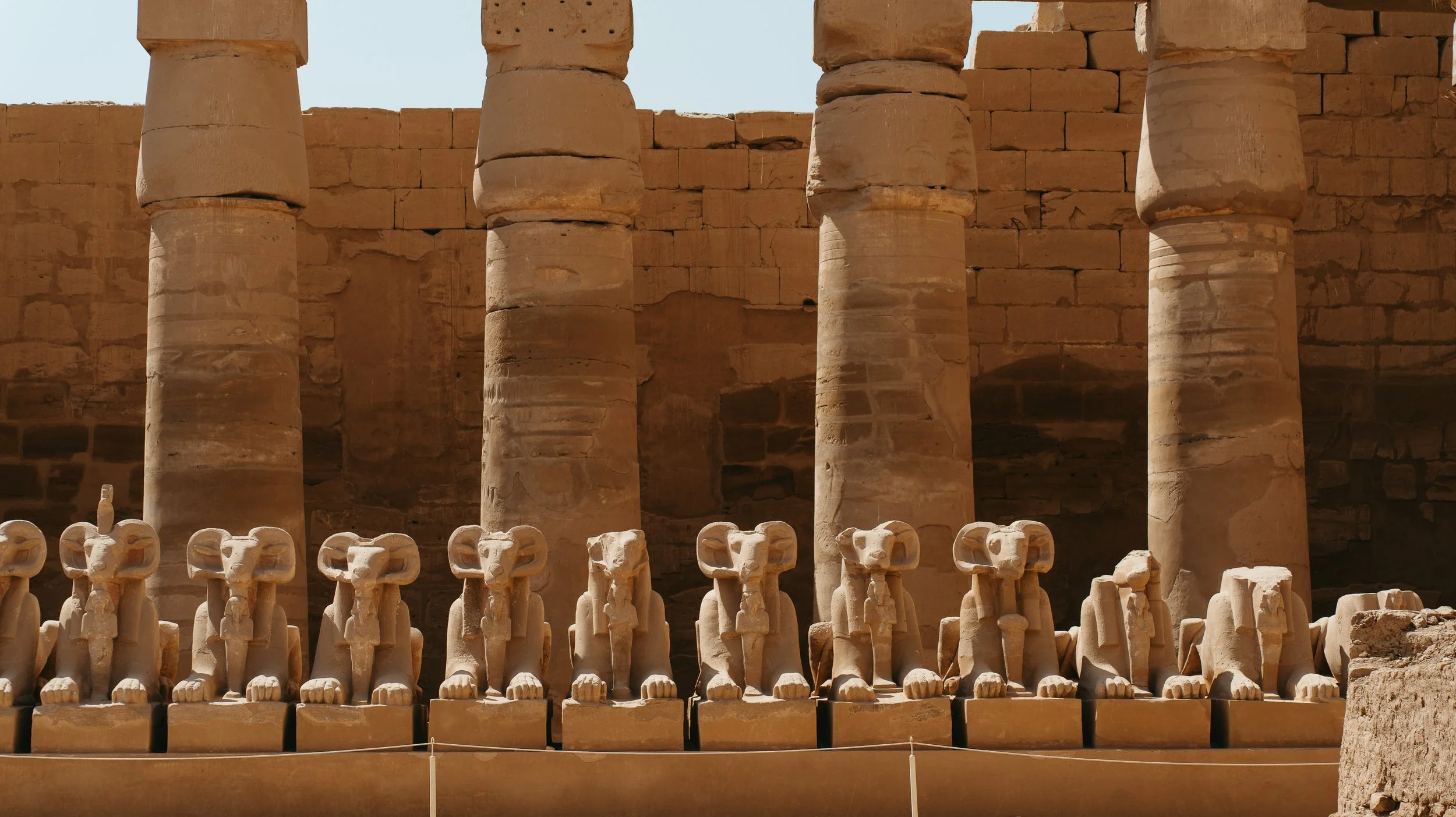
Karnak Temple: Linked to Luxor by a 600-sphinx avenue. It's Egypt's largest temple complex, still being excavated and restored today. Built by dozens of pharaohs from 2200-360 BC, it houses Amun's massive temple, smaller shrines, chapels, and a sacred lake. Key builders: Hatshepsut, Seti I, Ramses II, and III. The hypostyle hall is epic—5,000 sqm with 134 columns, 12 central ones towering to 23m (roof's gone now). Entrance has 40 ram-headed sphinxes kicking off the avenue to Luxor and the Nile. The price for this temple is 600 LE (around 12 EUR).
Day 4
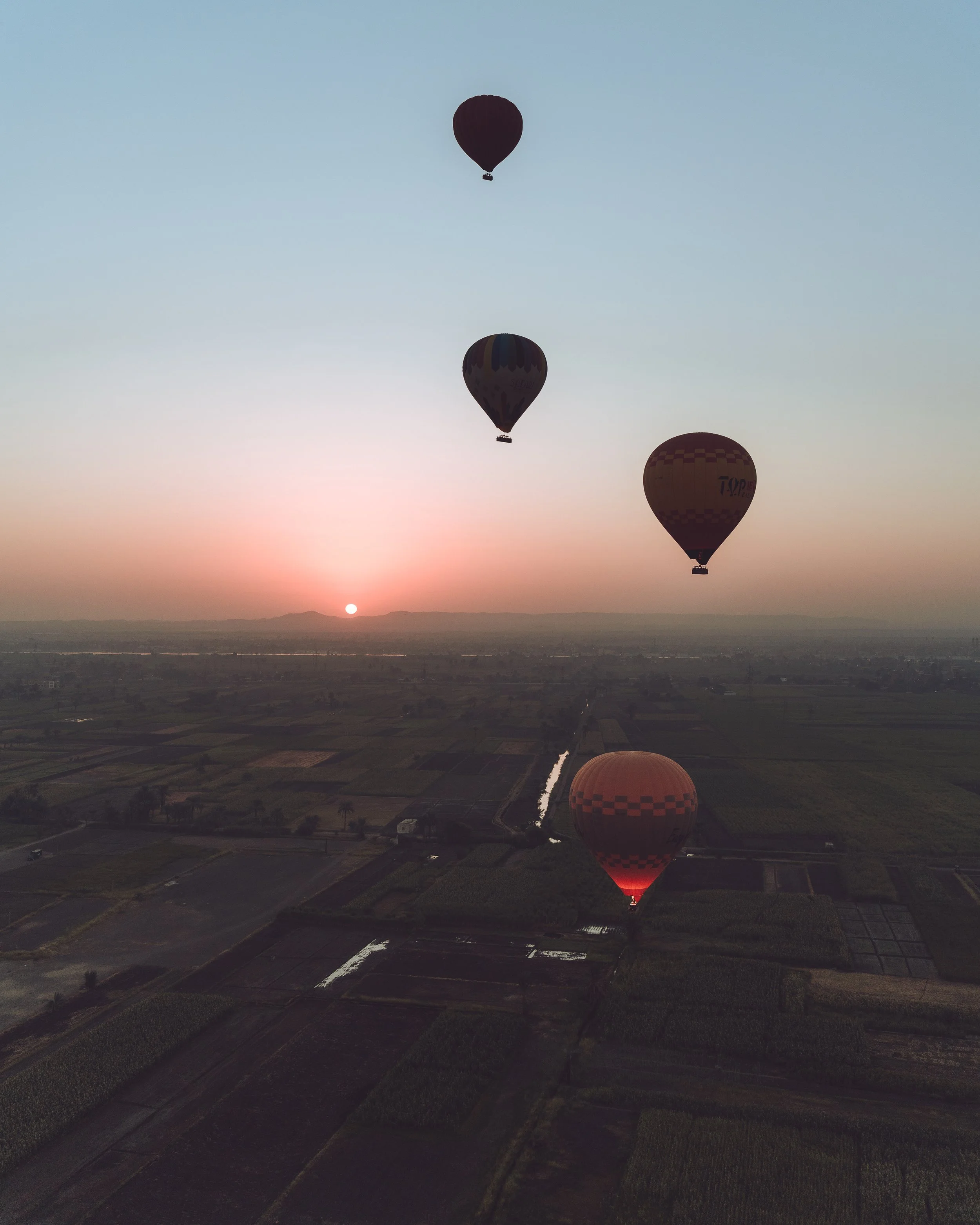
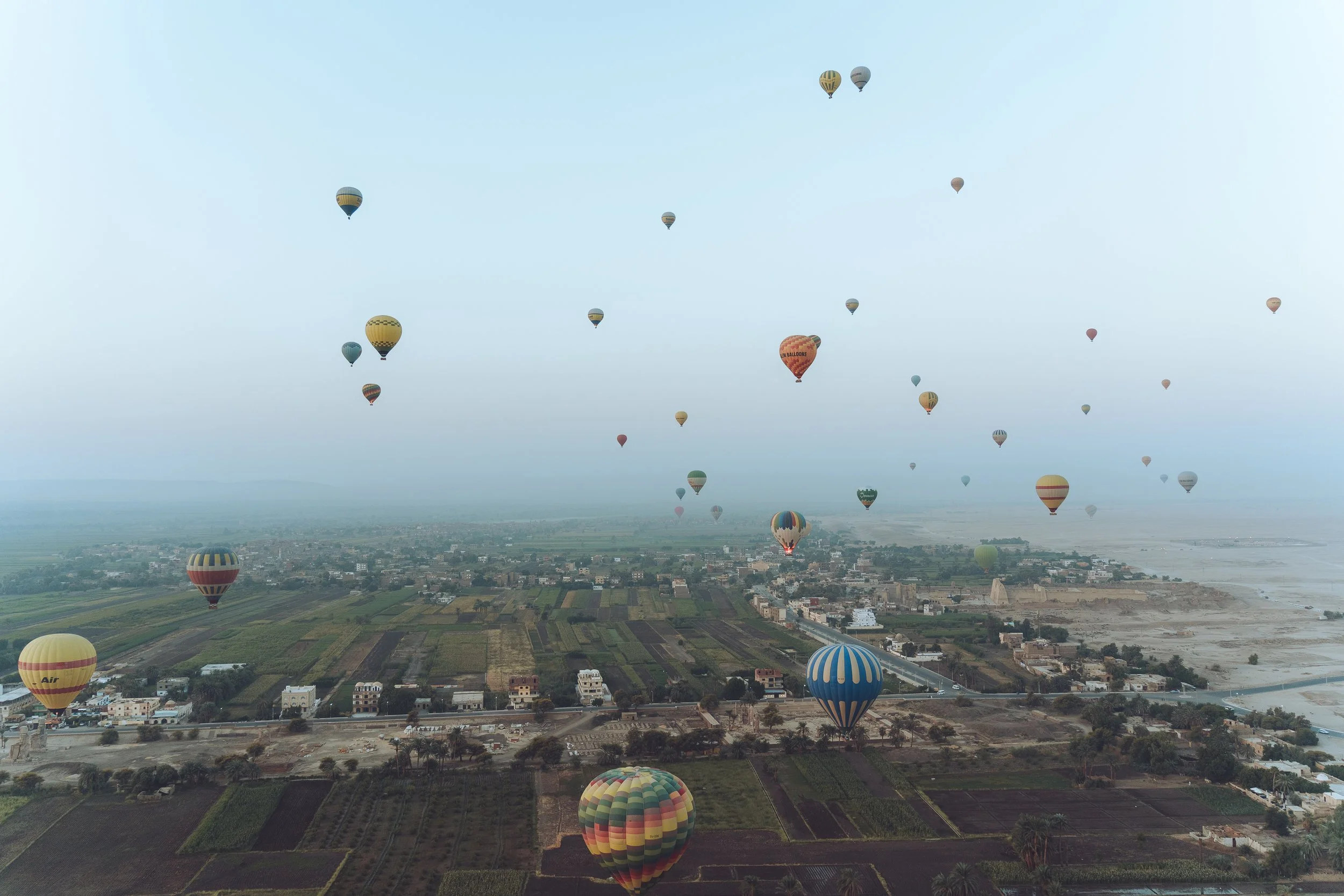
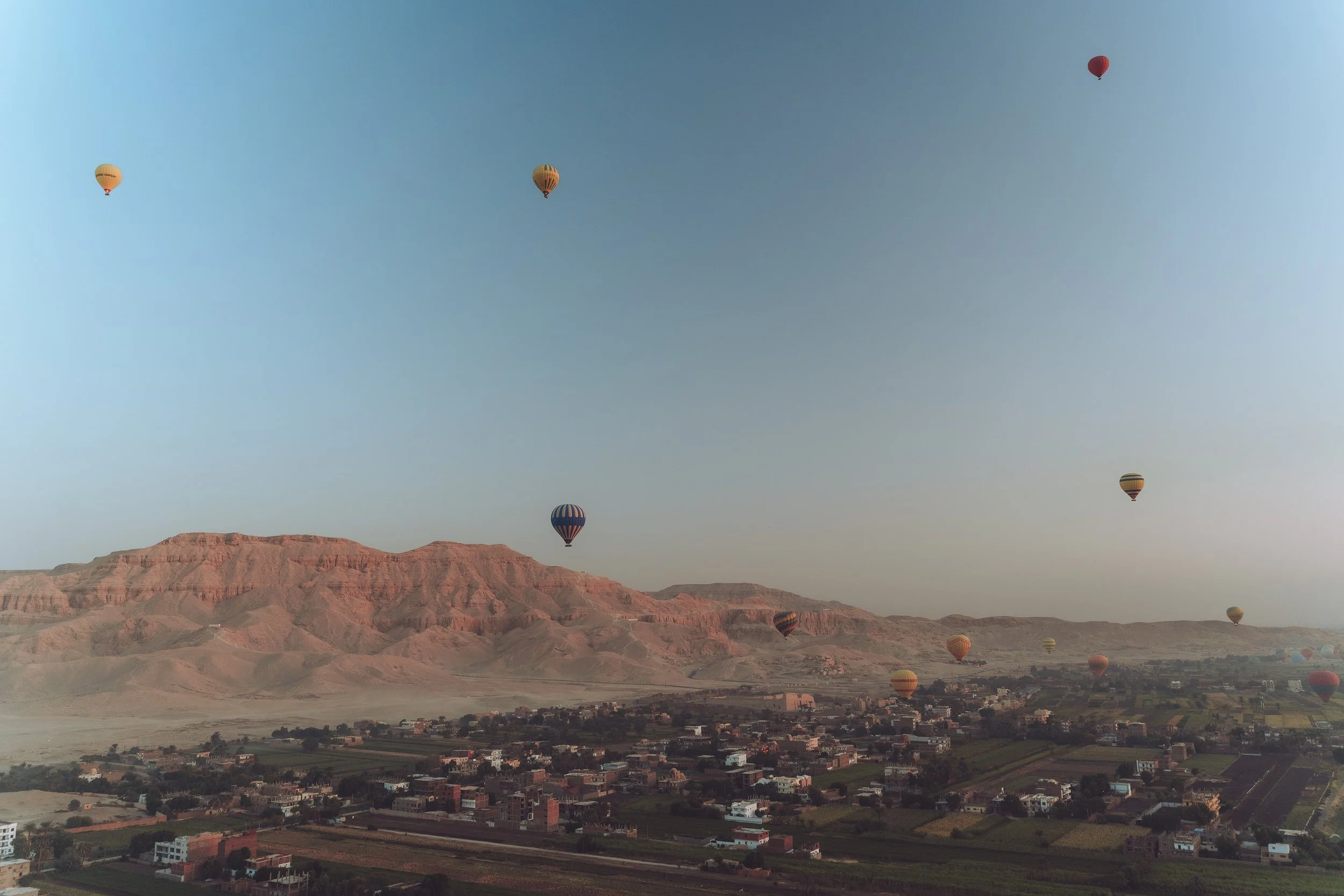
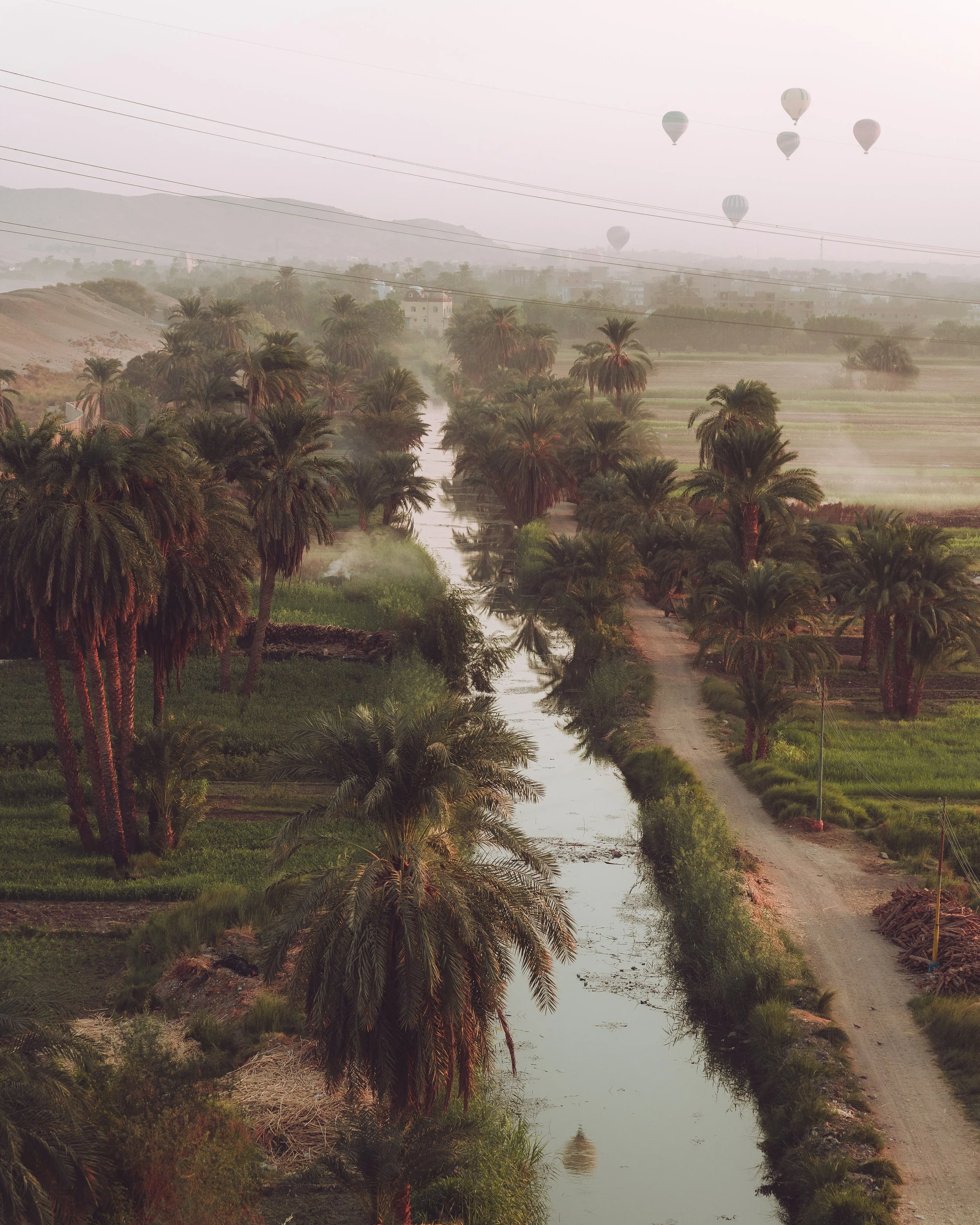
Super early for a balloon ride over the Valley of the Kings. We got shortchanged—only 20 minutes due to "wind"—but if conditions are good, it's a must (100-150 USD/person, pricey). Gives you a teaser view of the morning's sites.
Colossi of Memnon: Twin massive statues of Amenhotep III guarding his mortuary temple on the Nile's west bank in Luxor. Built 3,400 years ago, they show him seated calmly, hands on knees, facing the sunrise; smaller figures of his mom (Mutemwiya) and wife (Tiy) at the base. Not the trip's highlight, but it's always on itineraries since it's between Luxor and the Valley.
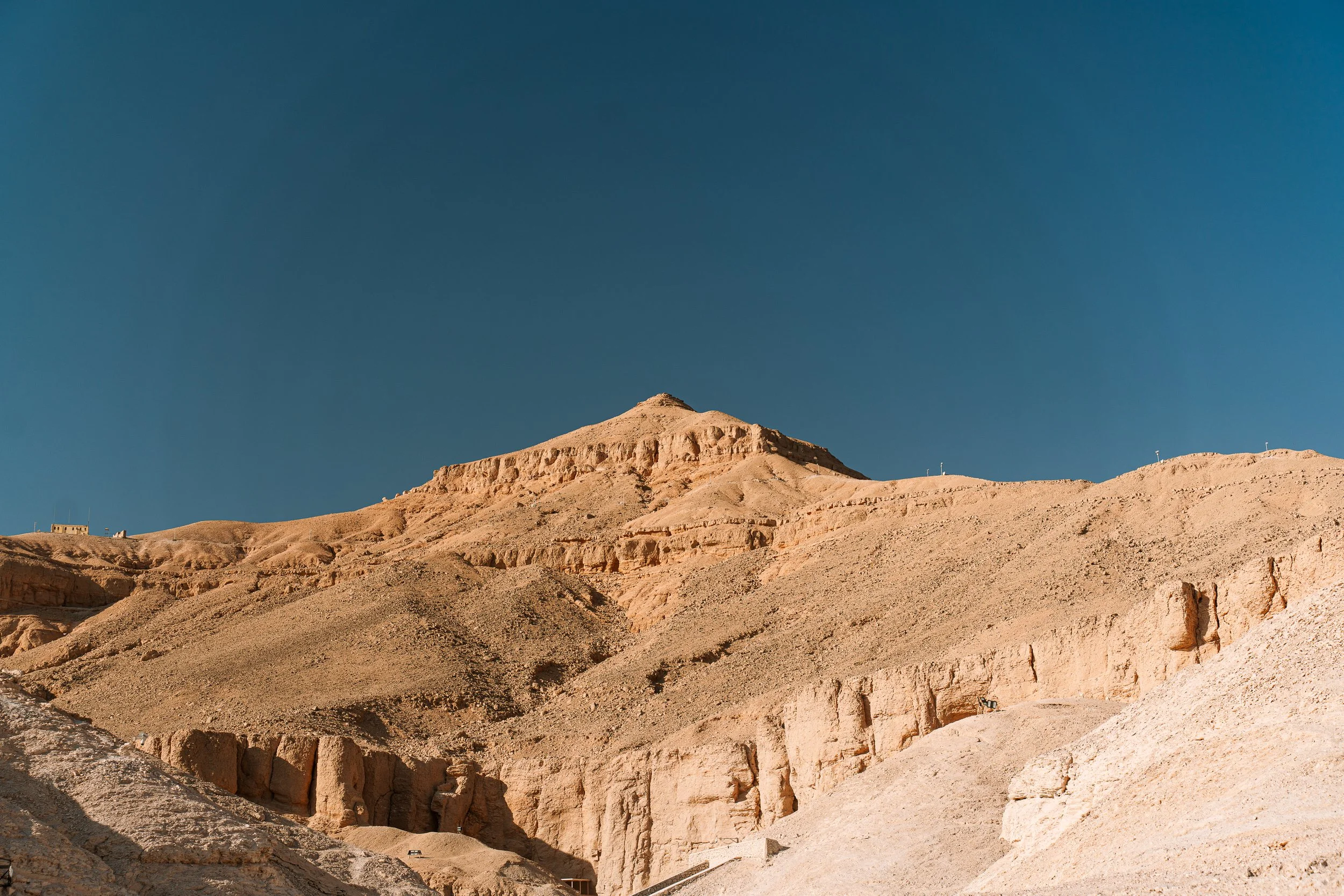
Valley of the Kings: Necropolis with 60+ rock-cut tombs of New Kingdom pharaohs. Go for Ramses IV, III, and the giant tomb of Ramses II's son (longest there, with 120-150 corridors/chambers for his 50+ sons). Standard ticket covers 3 tombs; extras cost more. The price for this site is 750 LE (around 15 EUR). Lines are long, insides get brutally hot—stay chill, bring water, people get cranky.
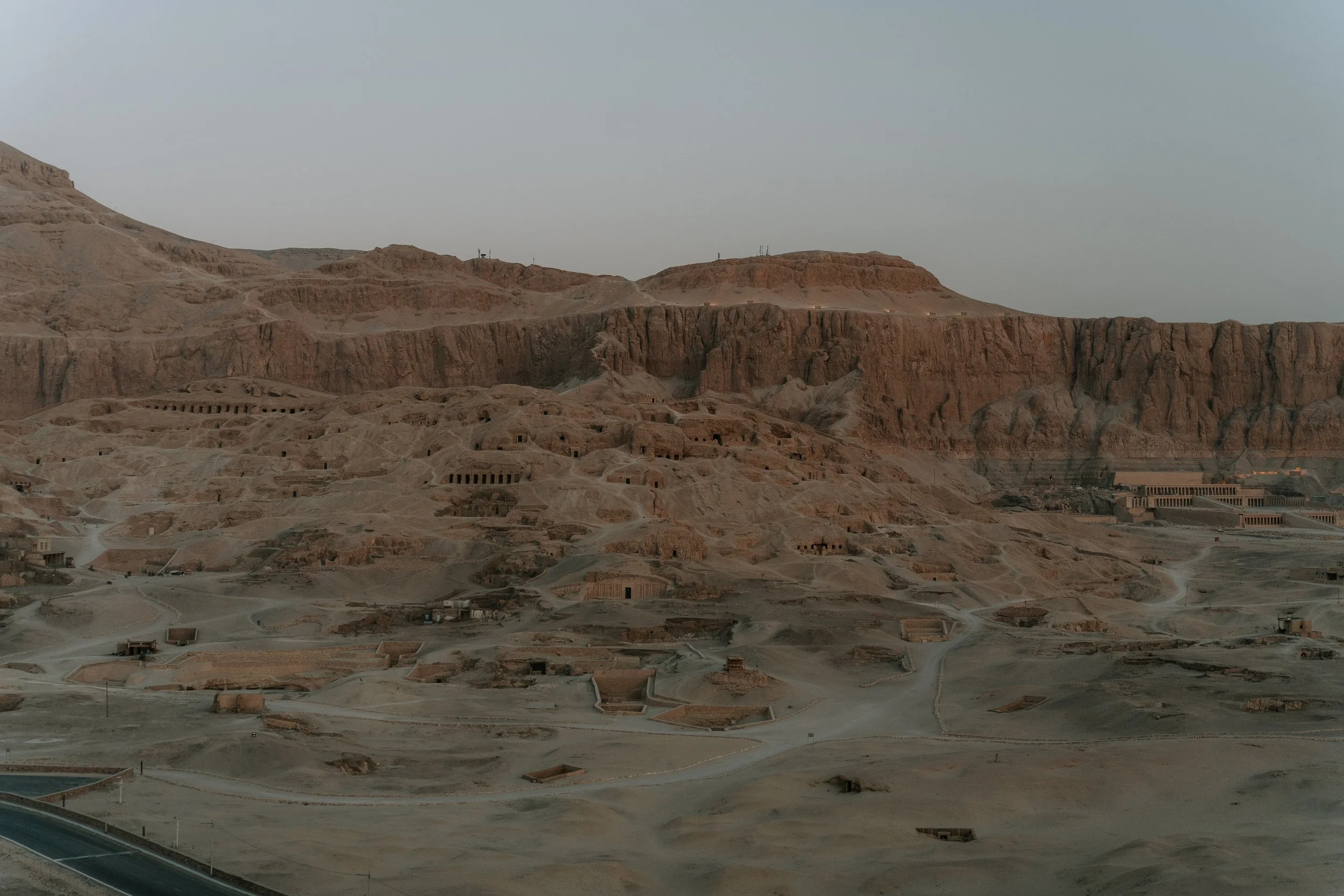
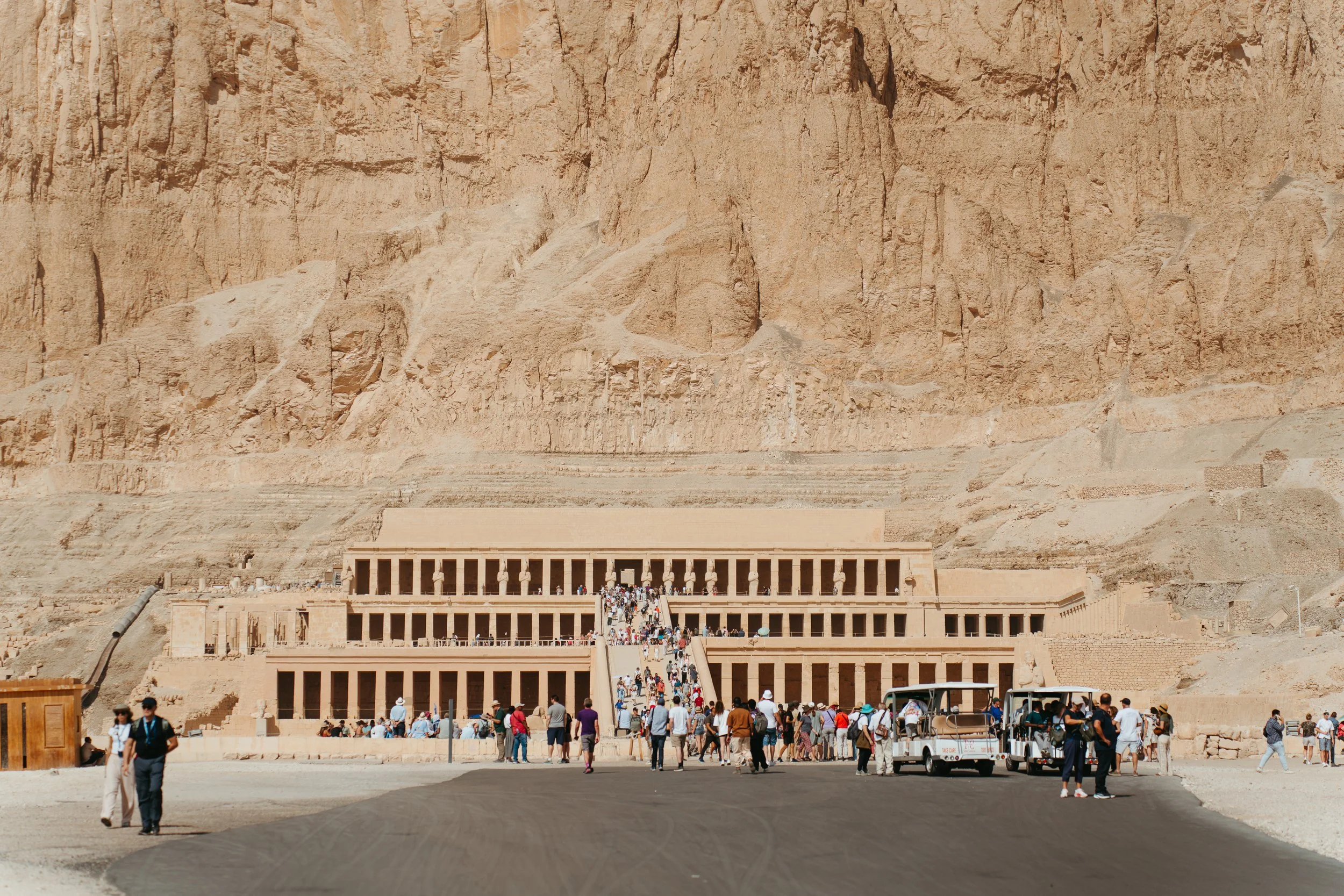
Hatshepsut Temple: Carved into sheer limestone cliffs at Deir el-Bahari by architect Senenmut. Dedicated to Hatshepsut, Egypt's lone long-reigning female pharaoh. Built years 7-21 of her rule, with rock-cut sections and three terraces. Little of her remains—Thutmose III destroyed most after she "stole" his throne for 20 years—but you'll see his statues. The price for this temple is 440 LE (around 9 EUR).
Day 5 - Edfu
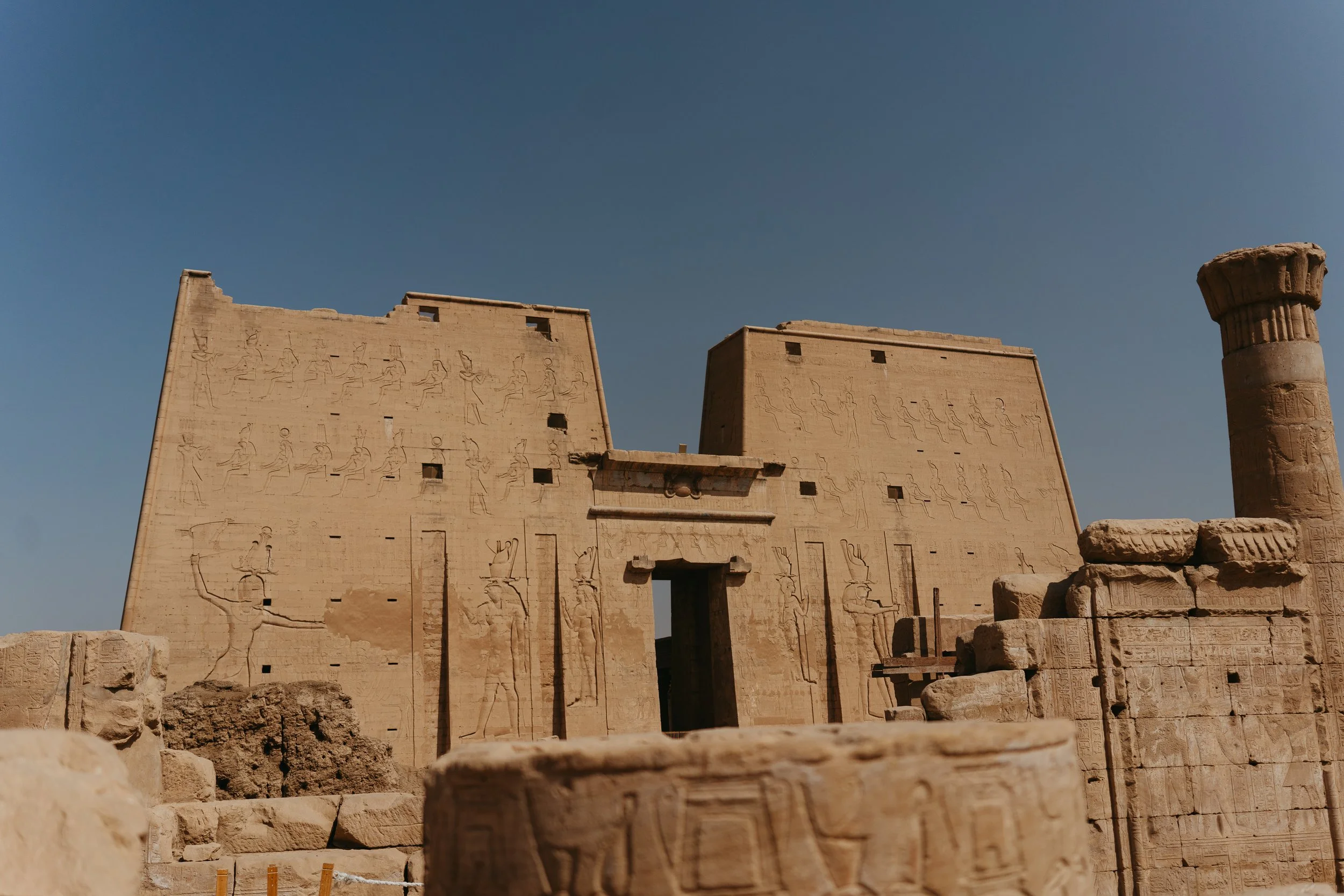
Arrived by calesa (classic horse cart). Quick temple visit, then back to the ship for 7 hours sailing through Esna Lock (handles an 8-10m drop just like Panama's Miraflores or Gatun: boat enters, doors close, water level adjusts, out you go). The price for the Edfu Temple is 550 LE (around 11 EUR). Night arrival at Kom Ombo Temple—stunning lit up. Dedicated to Sobek (crocodile-headed god); later added Haroeris (Horus the Elder) since locals weren't keen on a "evil" rep. Check Hathor's chapel with well-preserved croc mummies, and the Nilometer for tracking Nile floods and predicting heavy rains. The price for this temple is 450 LE (around 9 EUR).
Day 6
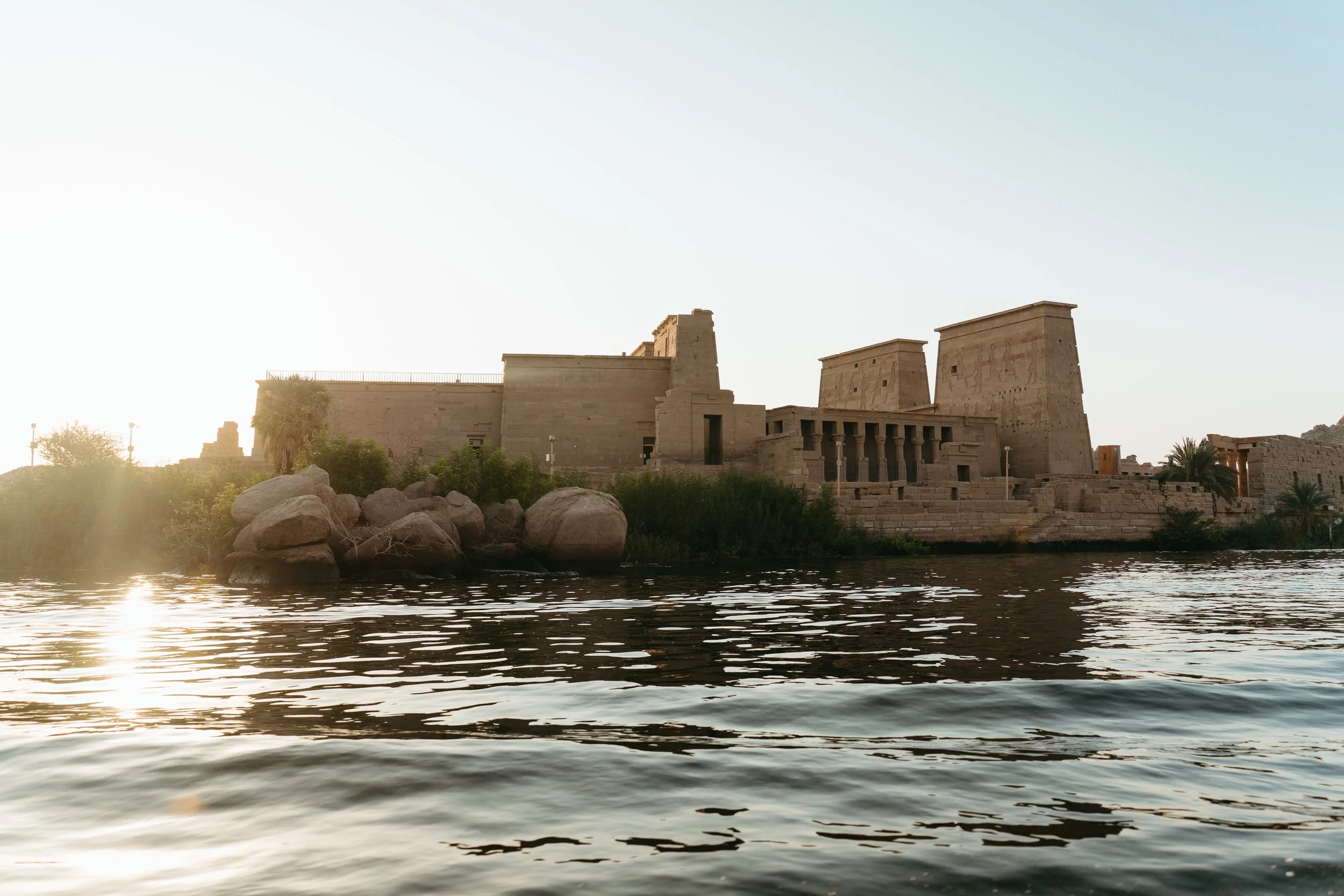
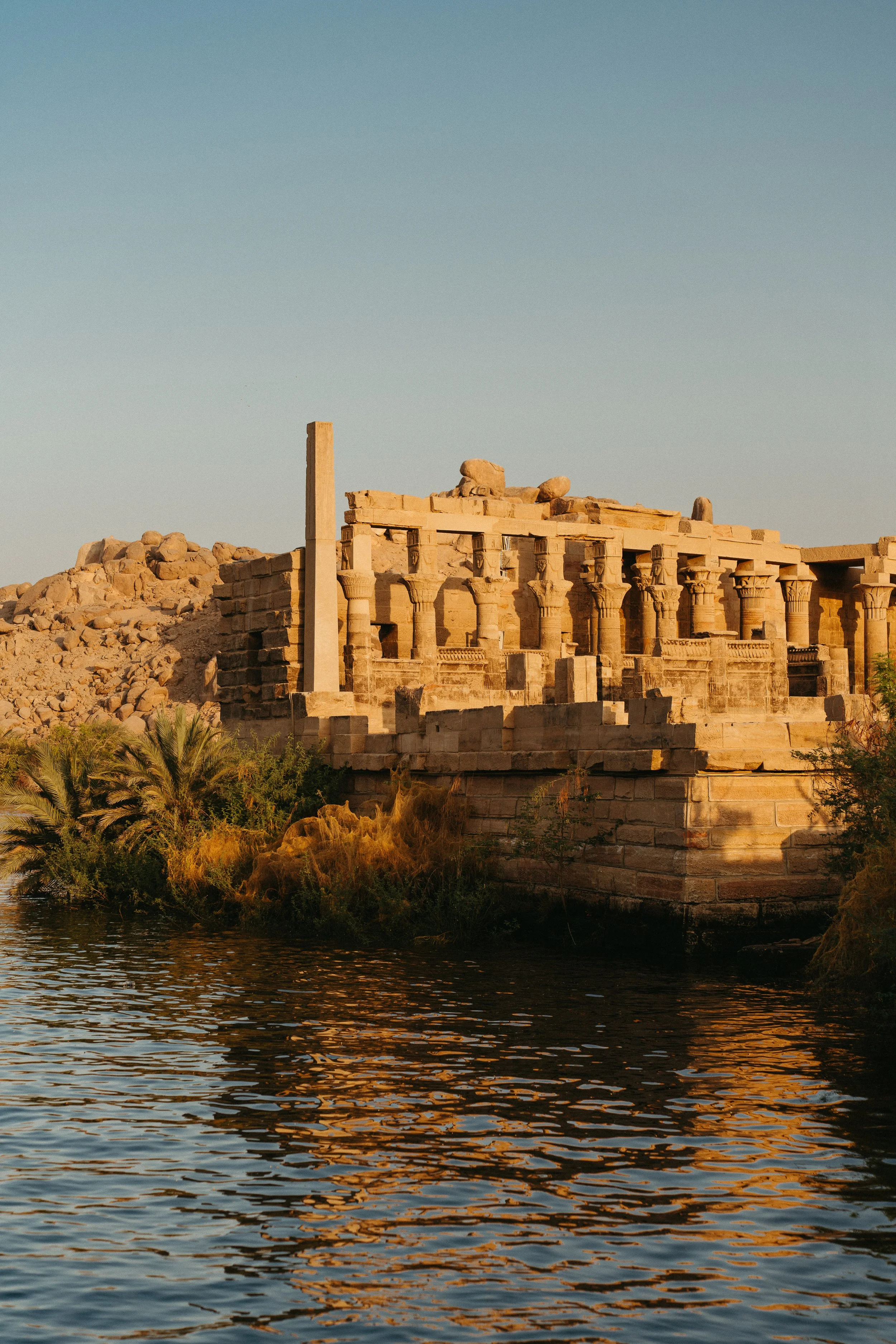
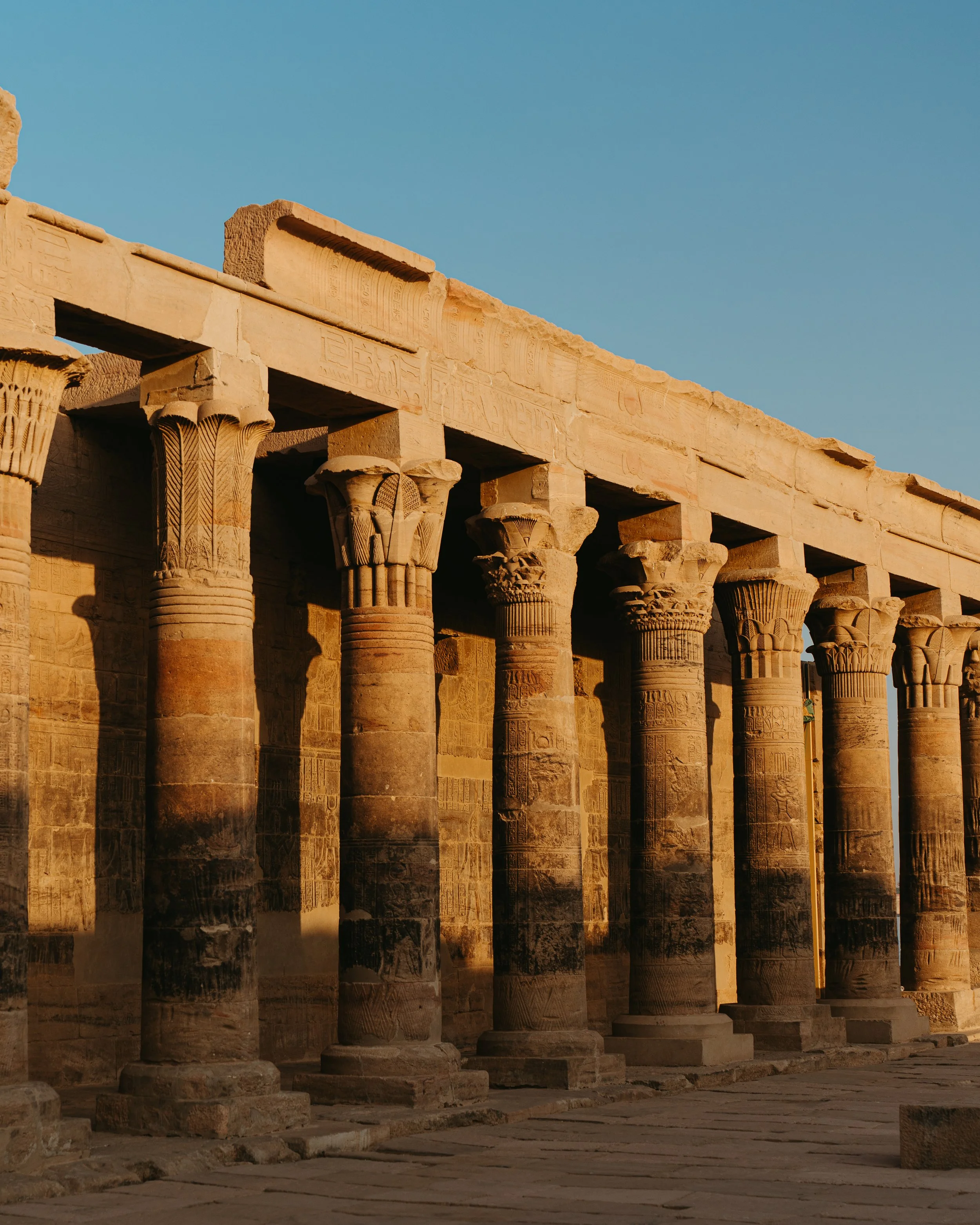
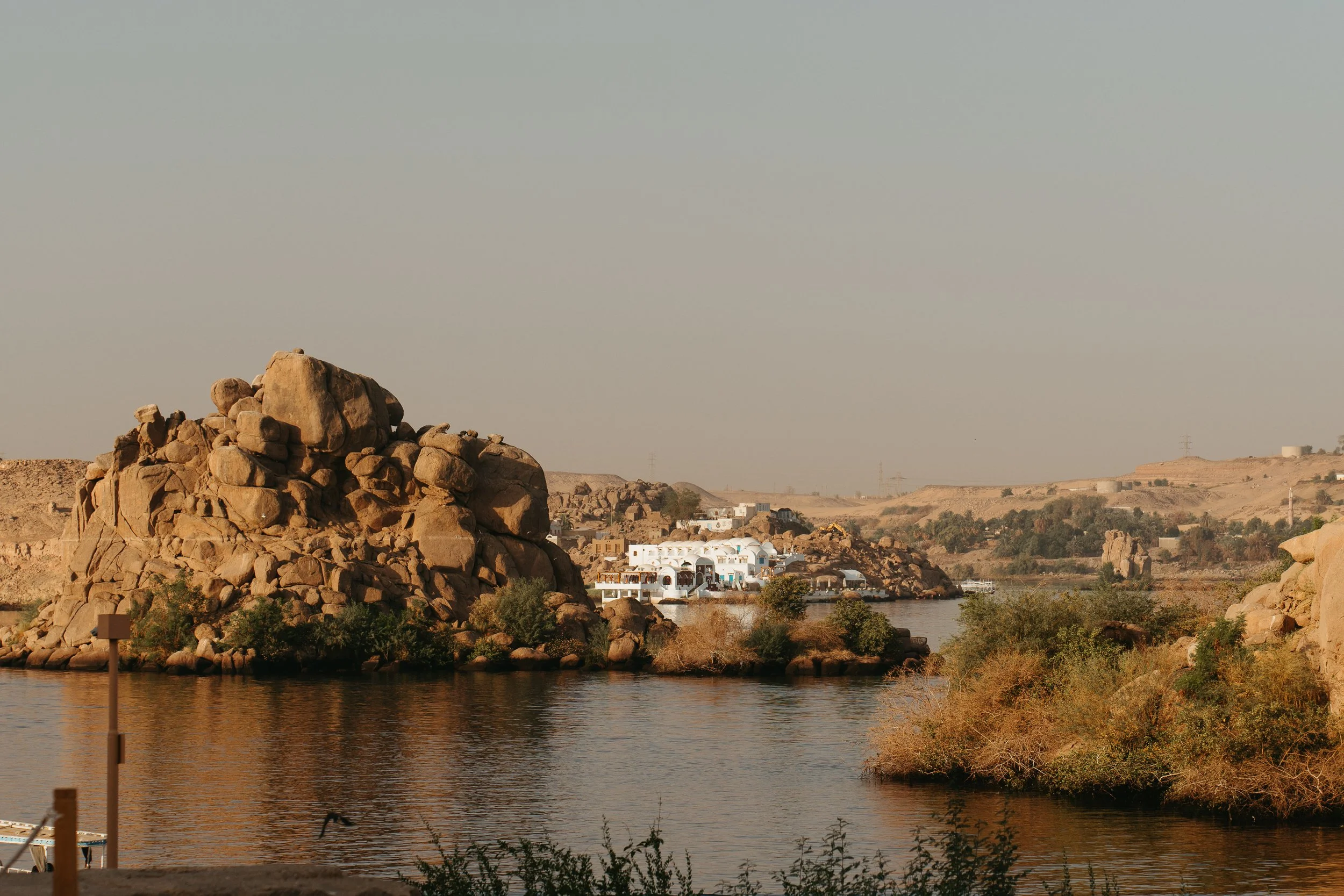
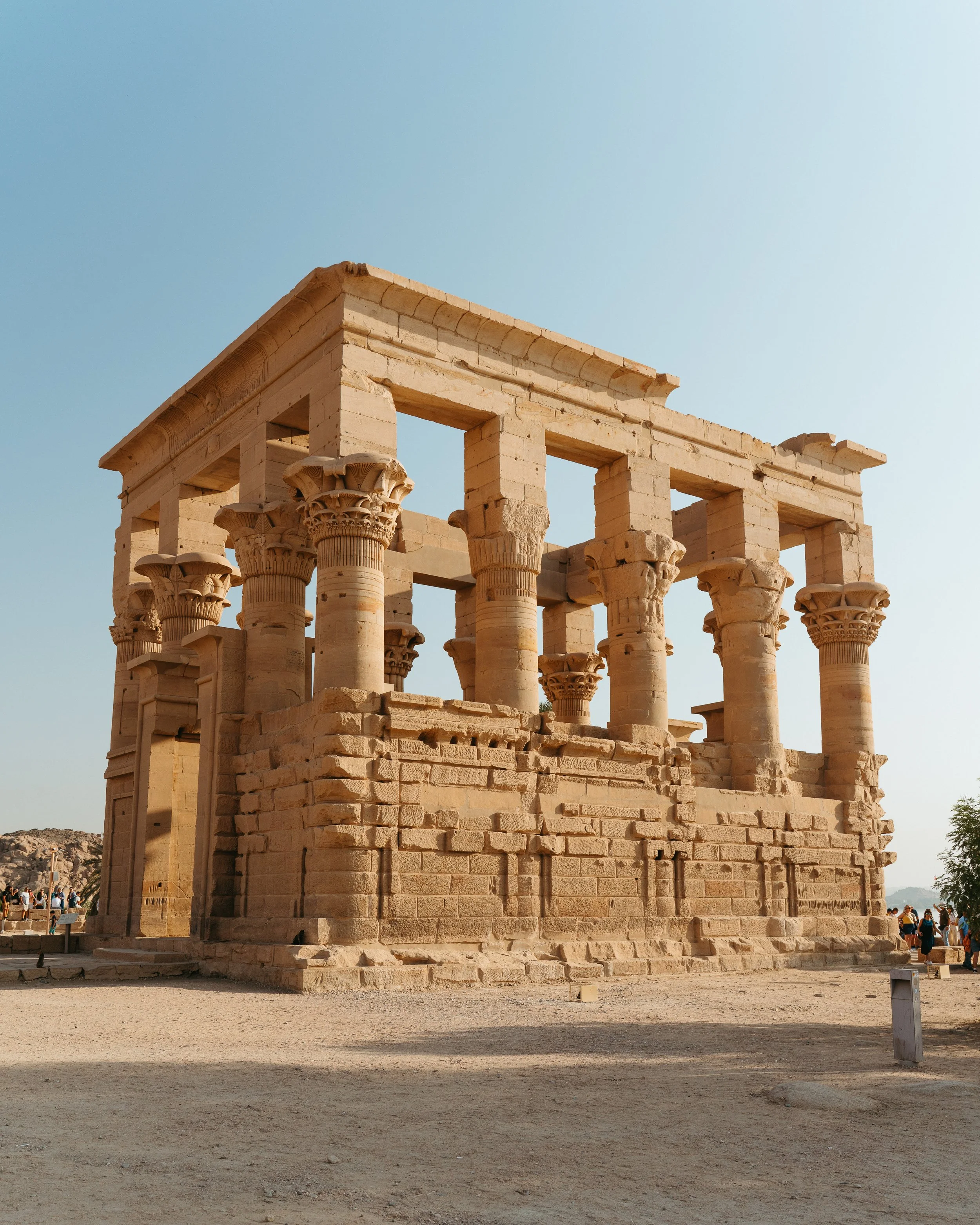
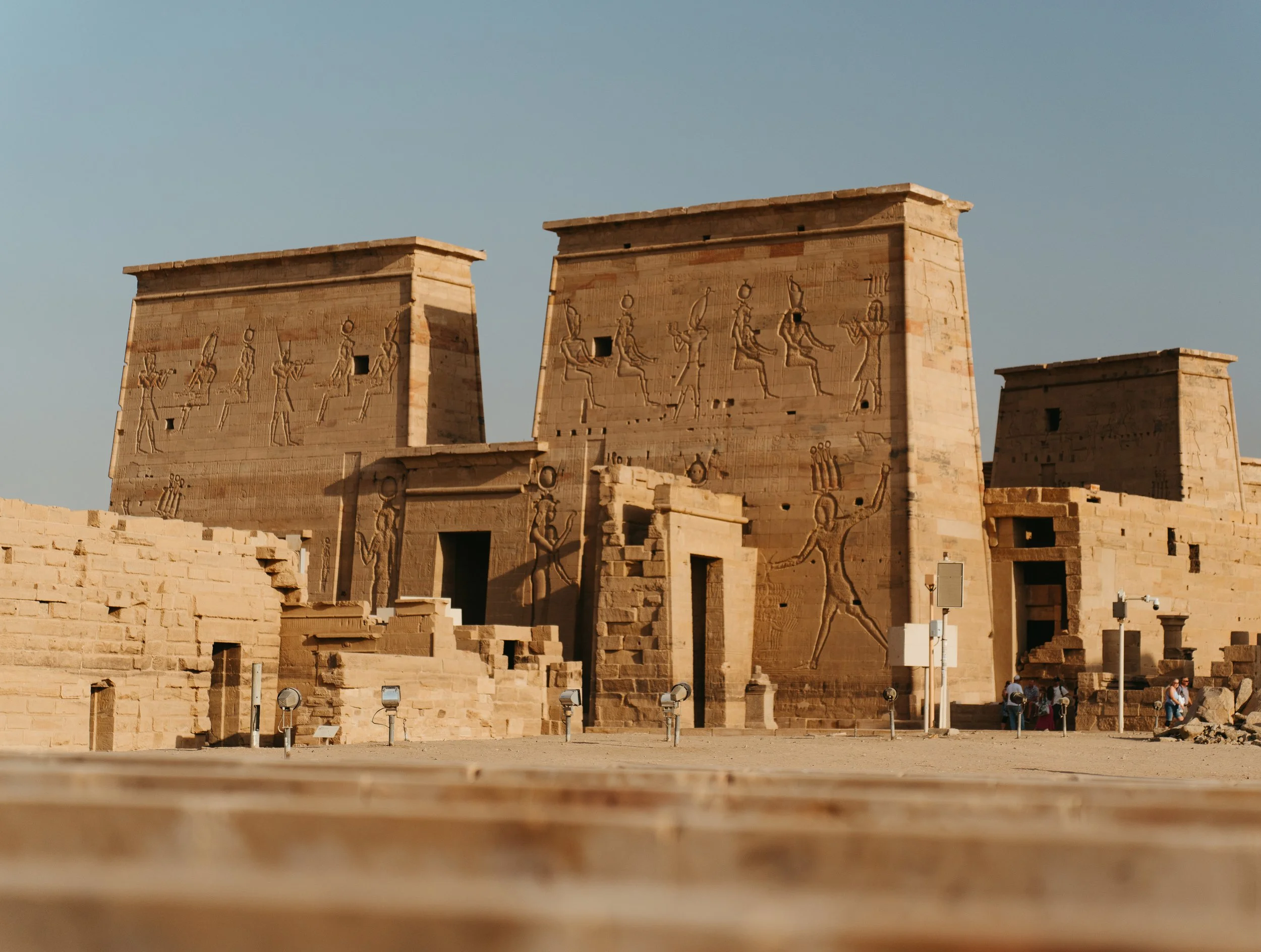
Overnight sail to Aswan, early hit to Philae Temple—one of my favorites. Dedicated to Isis (love goddess), it's gorgeous and well-kept on a tiny island (boat access only). It got relocated stone-by-stone after Aswan Dam flooded the original spot—UNESCO job with U.S. and Spain help (Madrid got Debod Temple in thanks for Nasser-Franco ties). The price for this temple is 550 LE (around 11 EUR). Afternoon: Aswan Dam, a 20th-century engineering beast (built 1960-1970 to tame floods/droughts, powers Egypt, created Lake Nasser—world's biggest man-made lake at 6,000 sq km). The price for this site is 200 LE (around 4 EUR). Meh visit though—no turbine room, just walking around.
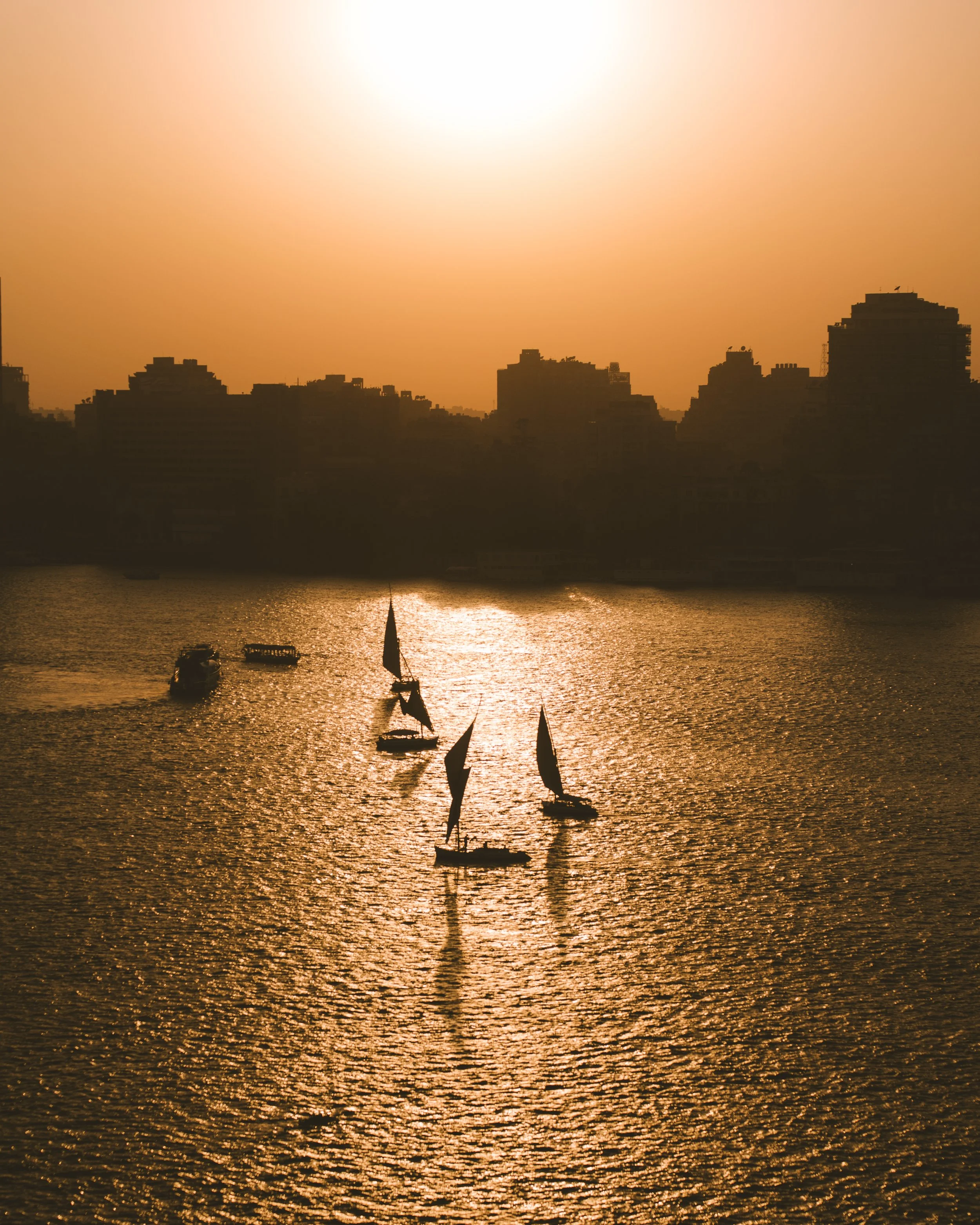
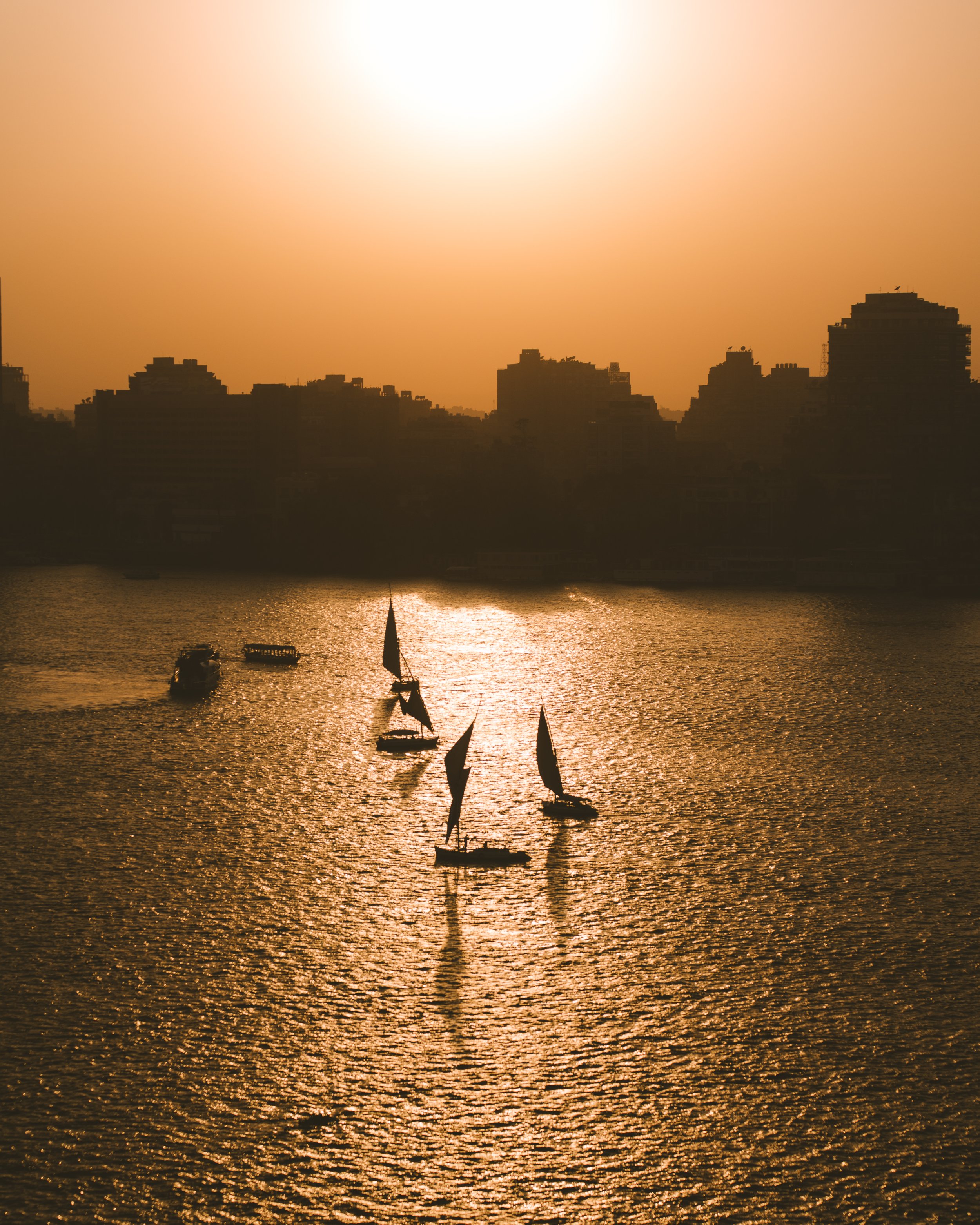
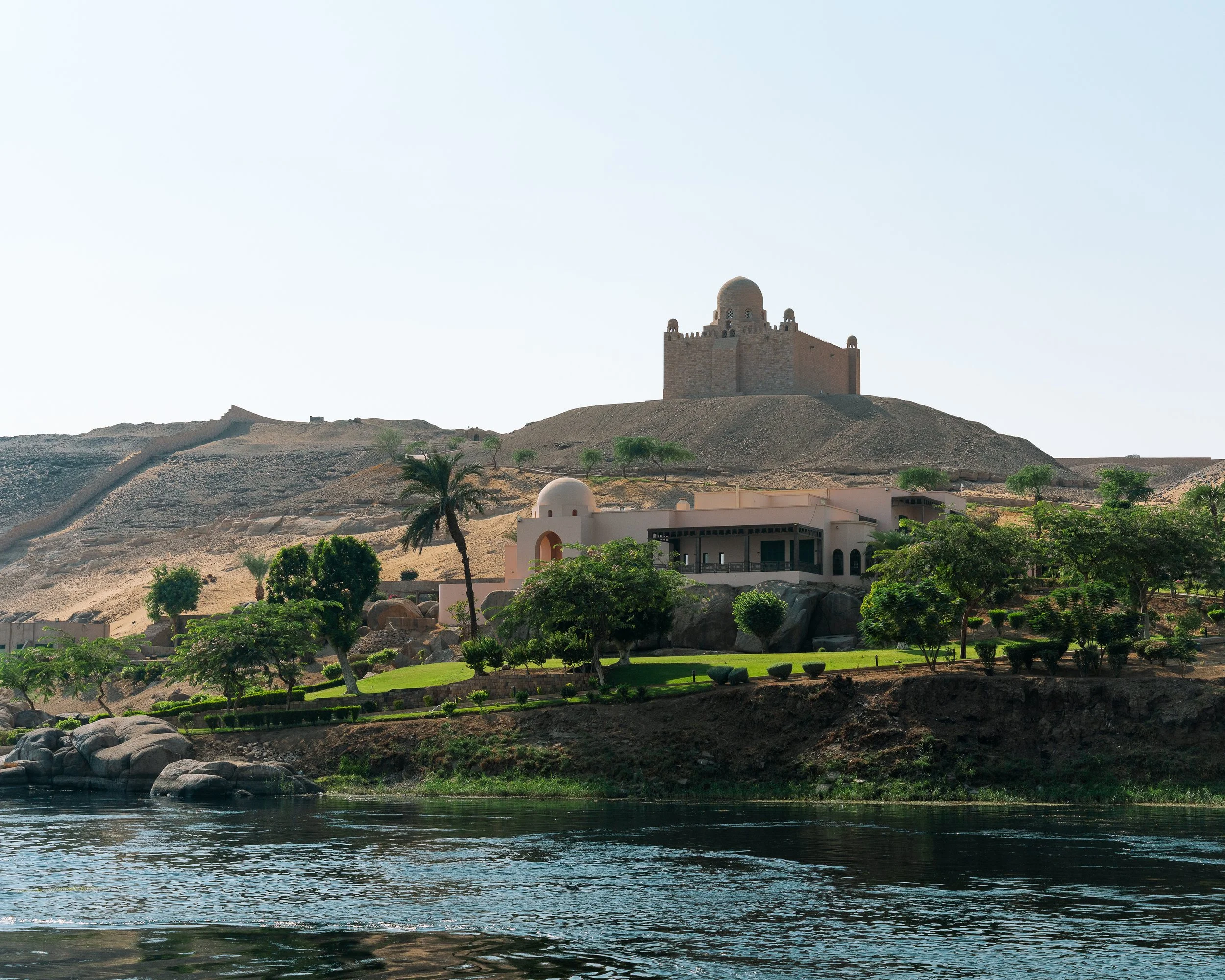
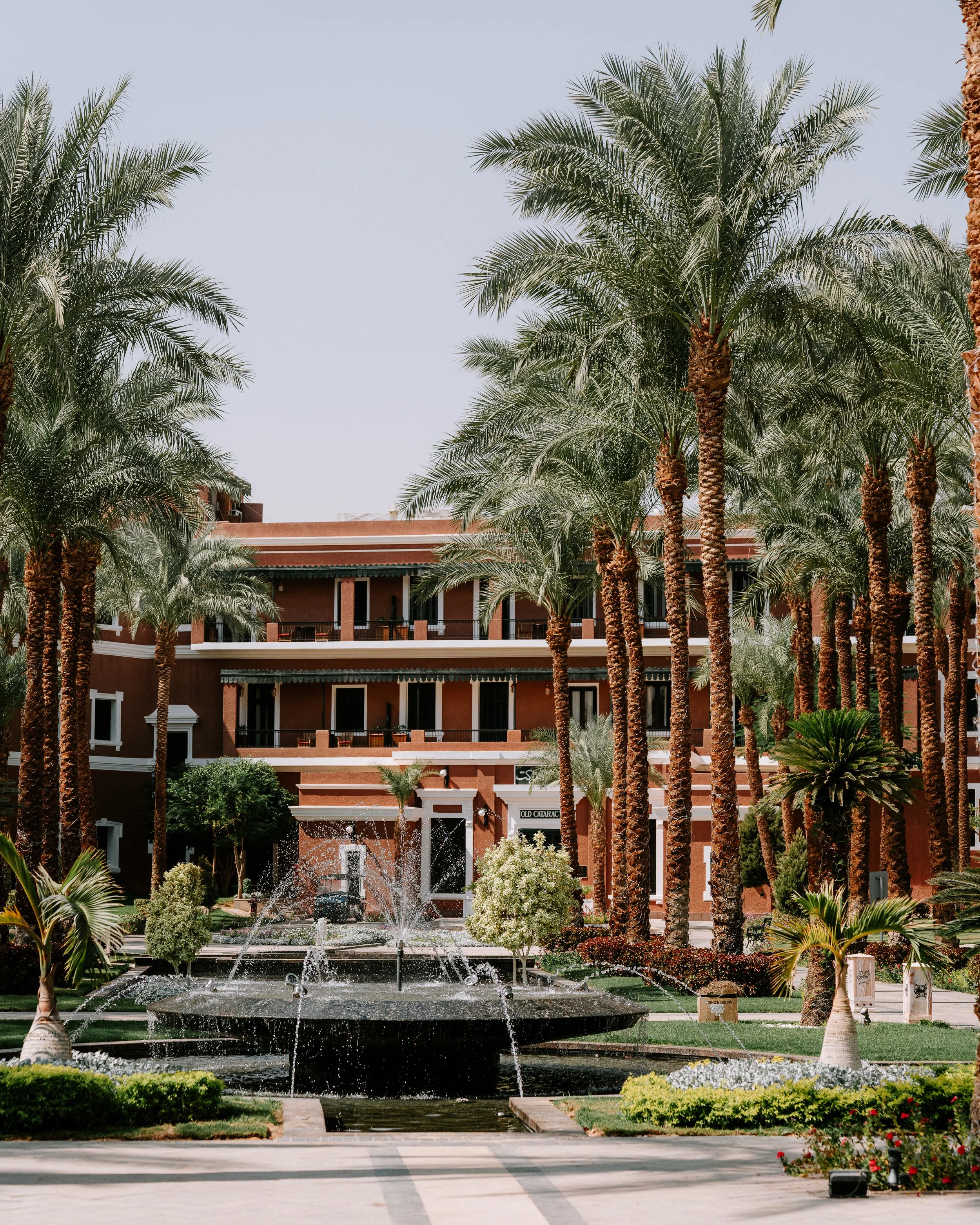
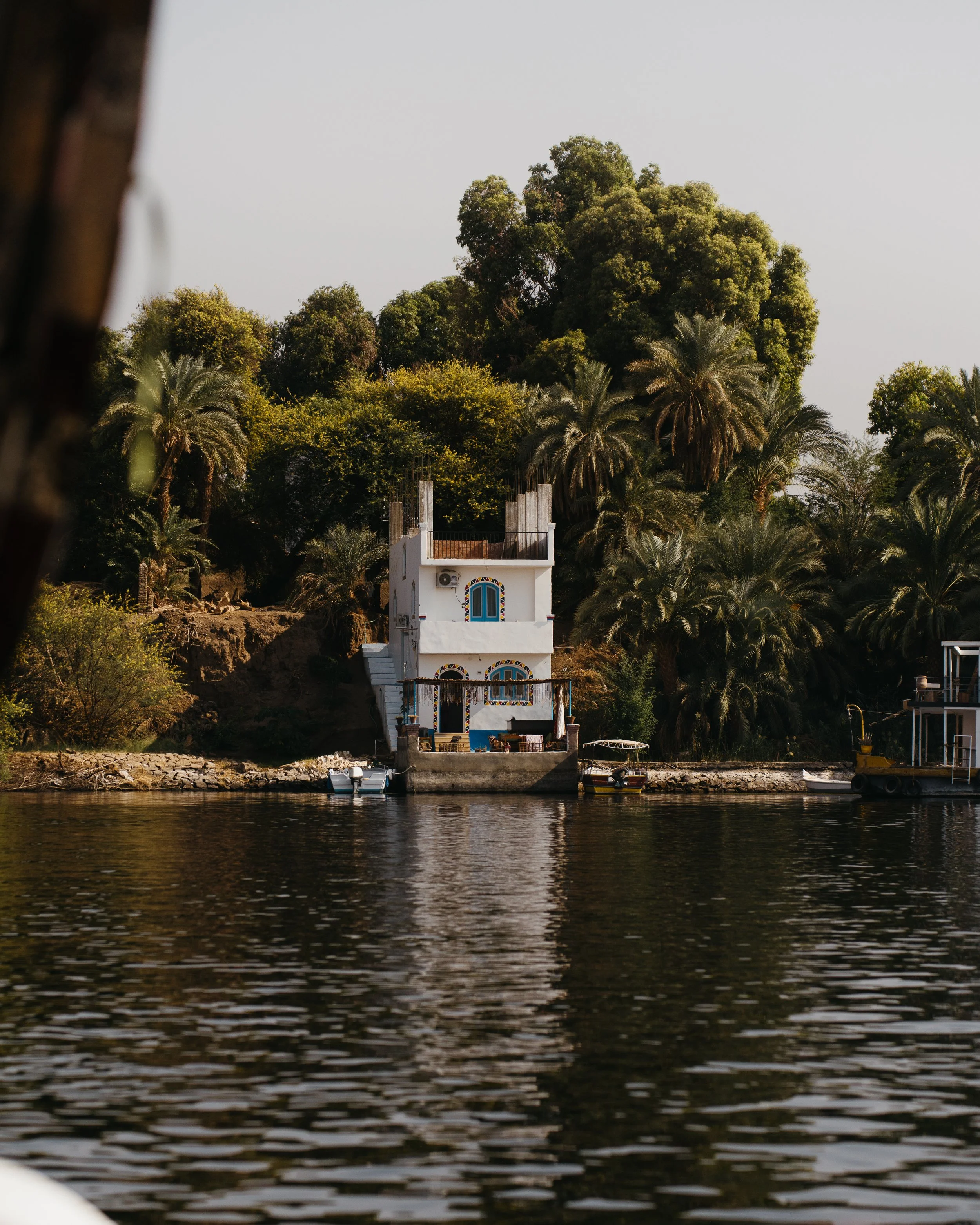
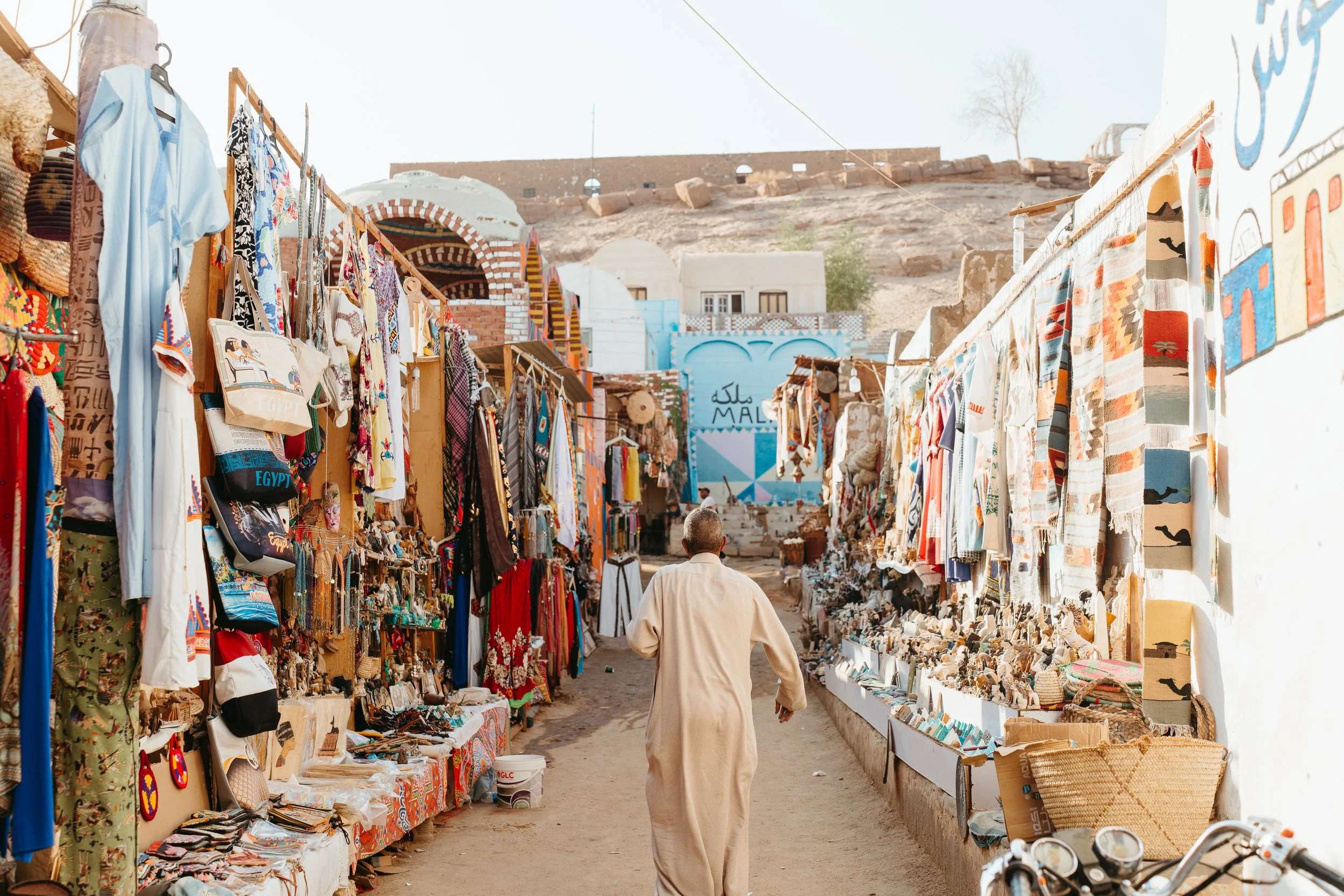
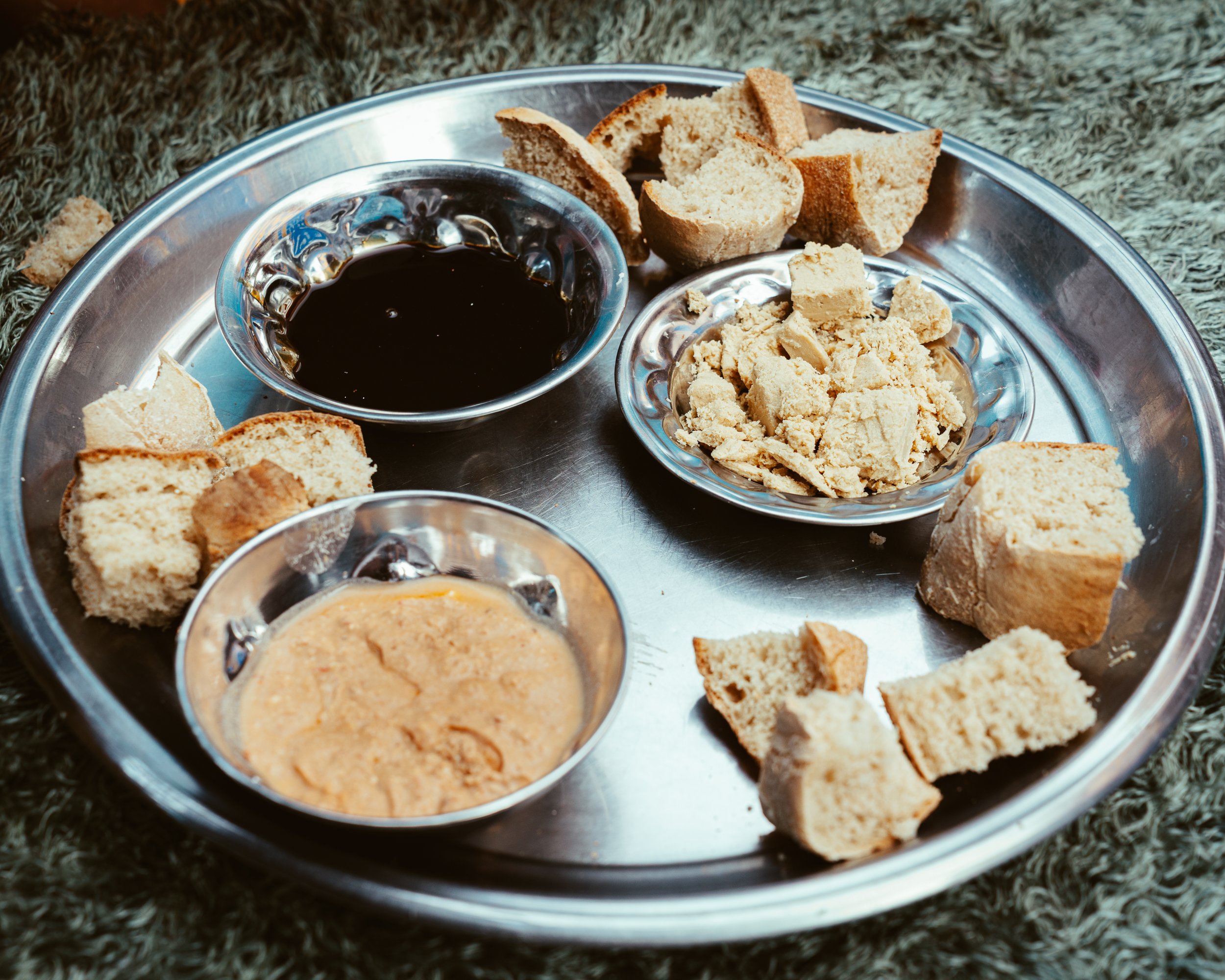
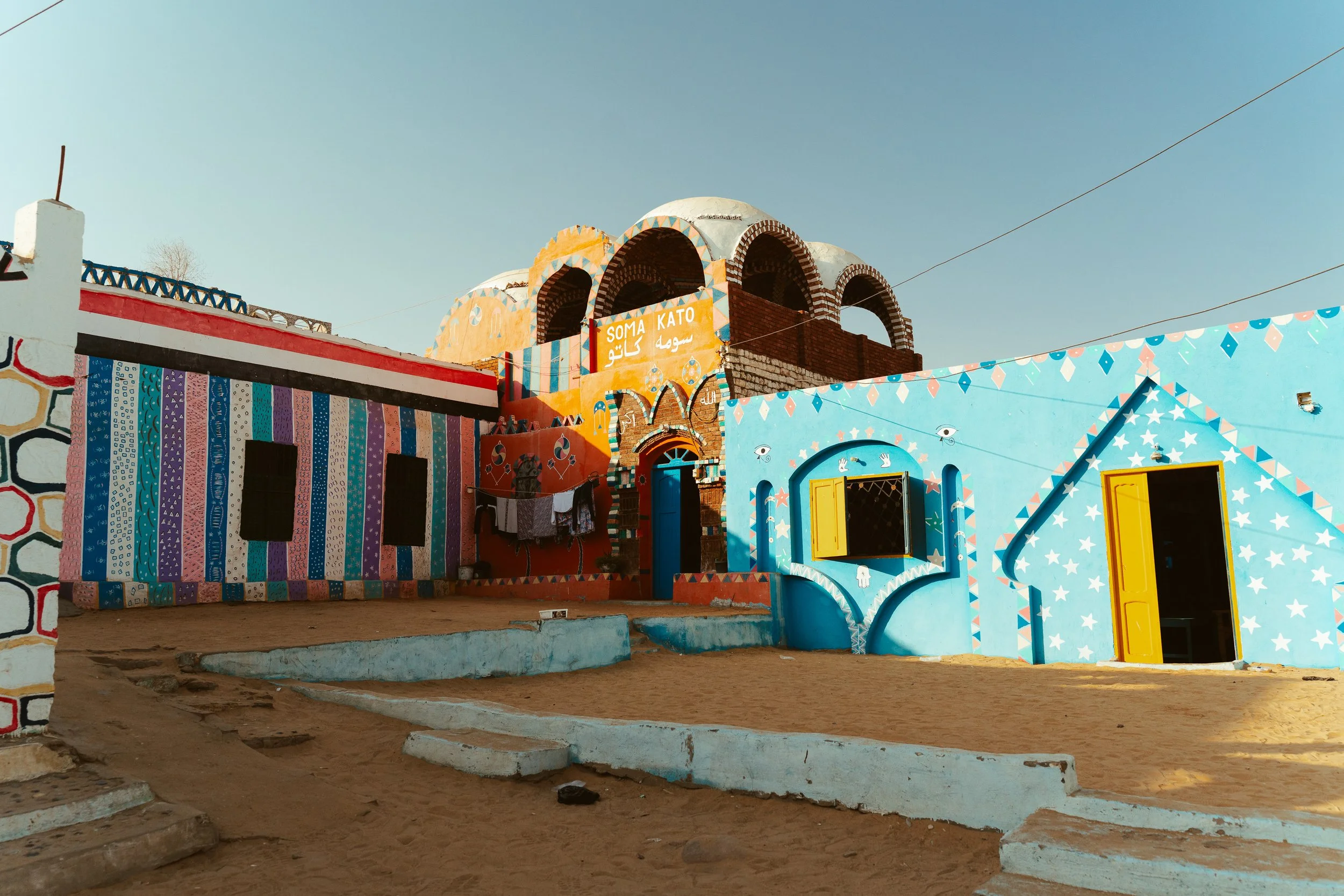
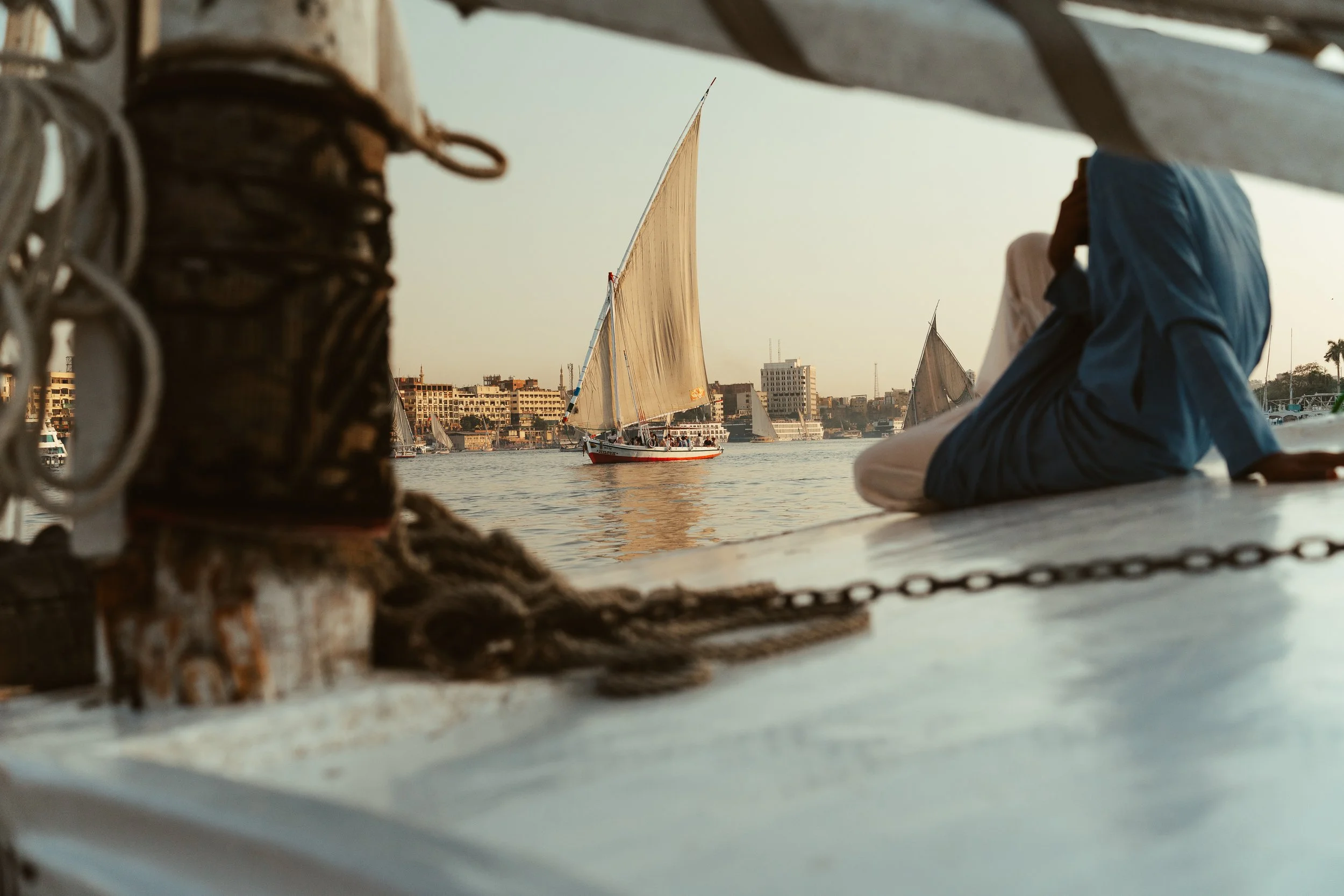
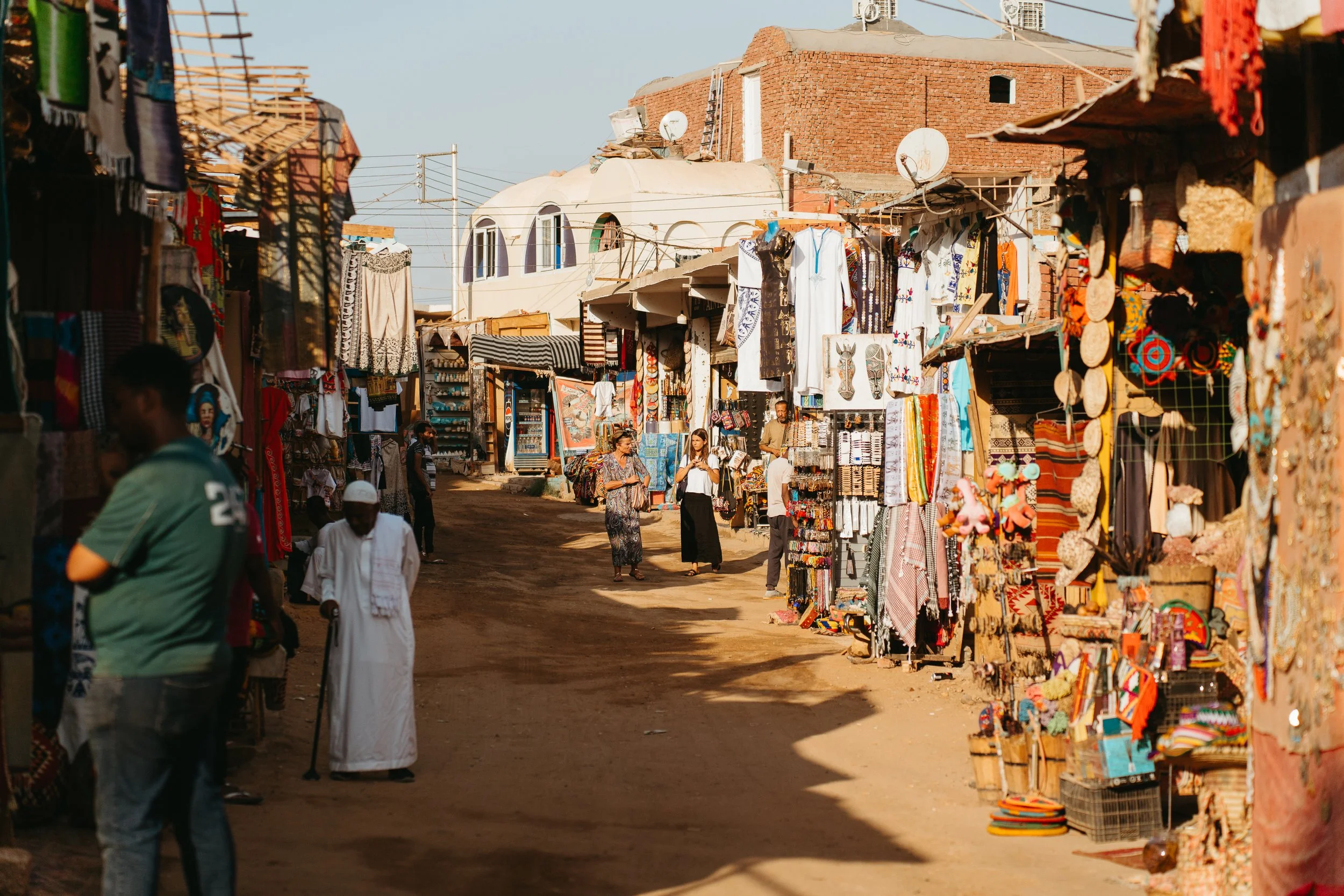
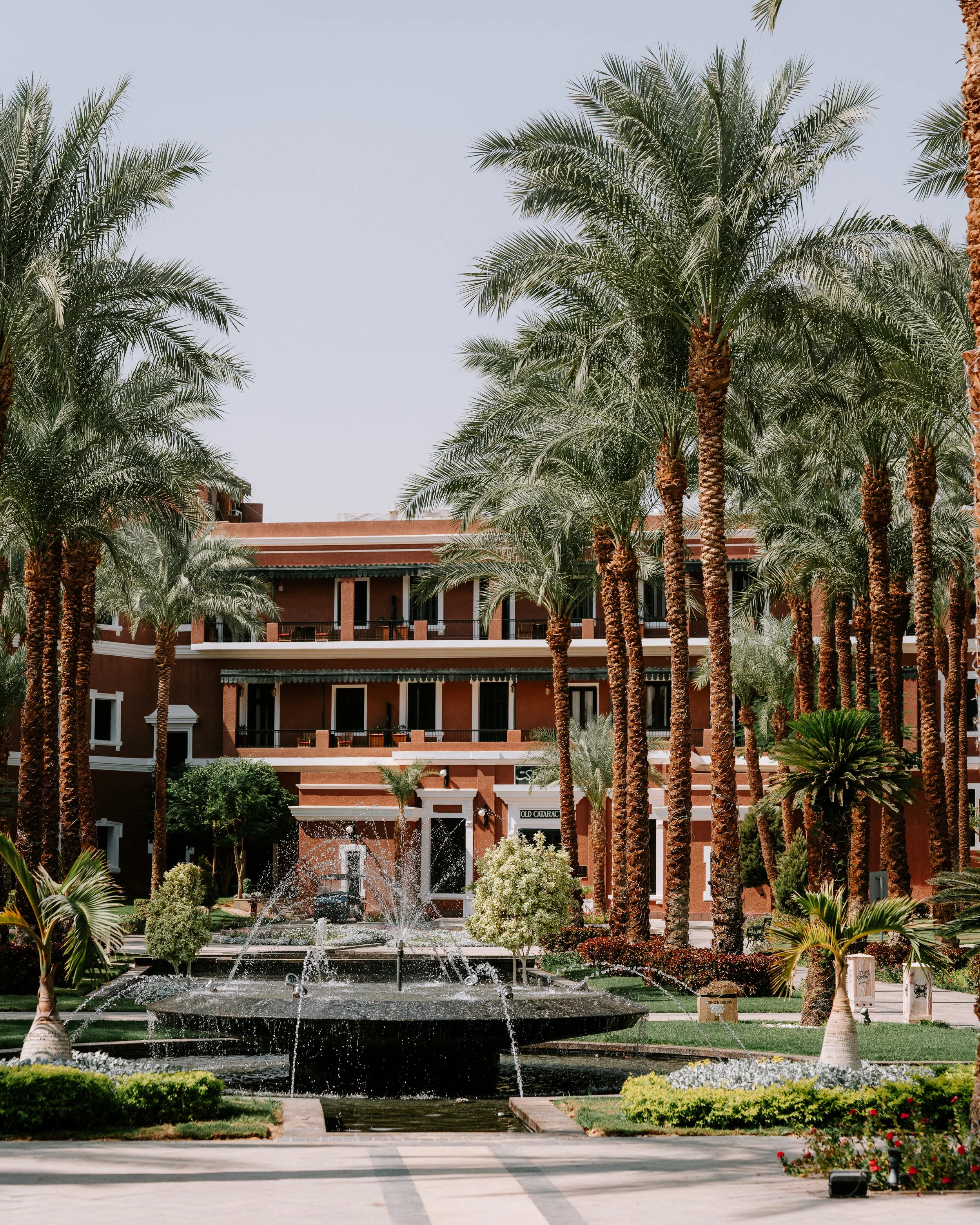
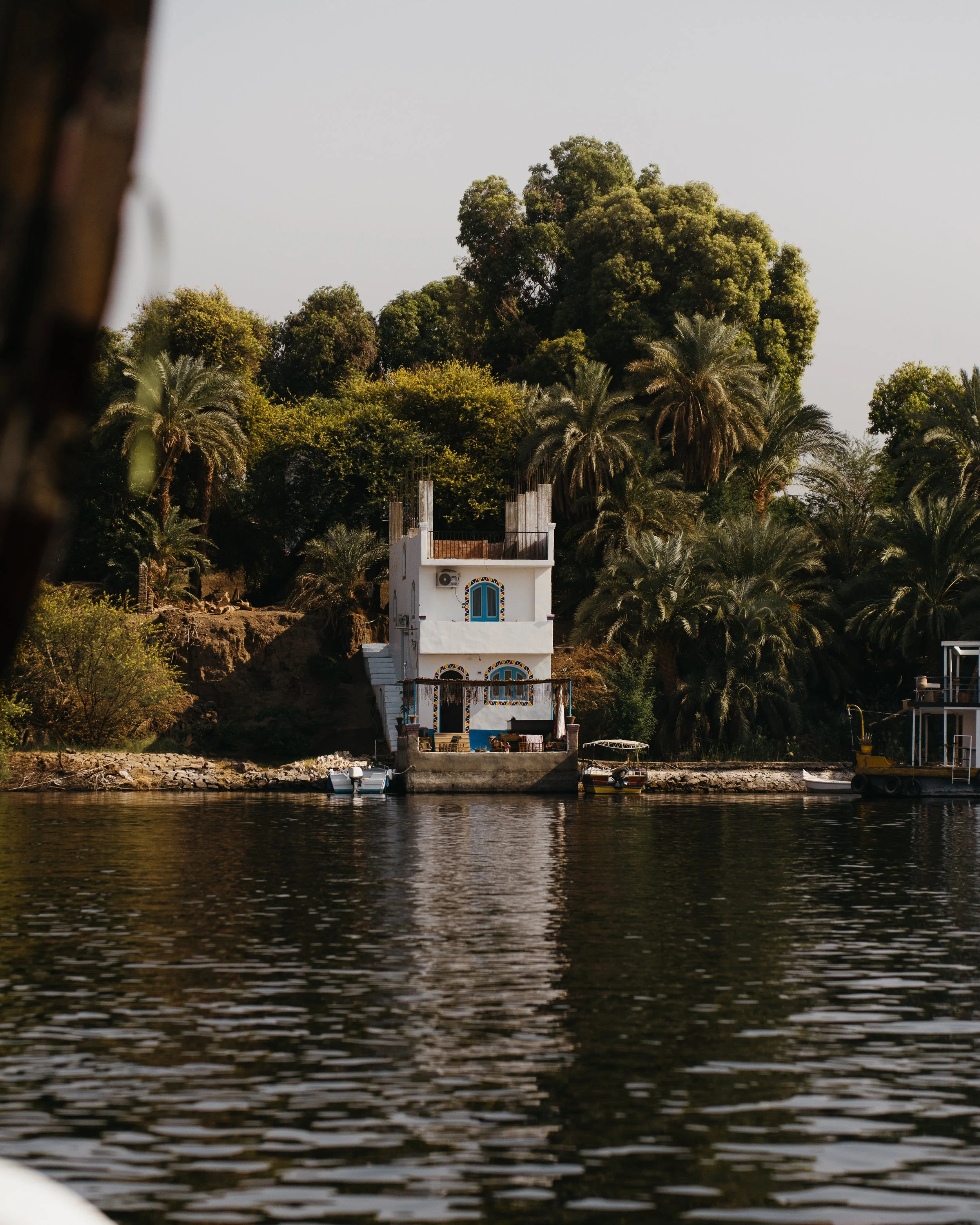
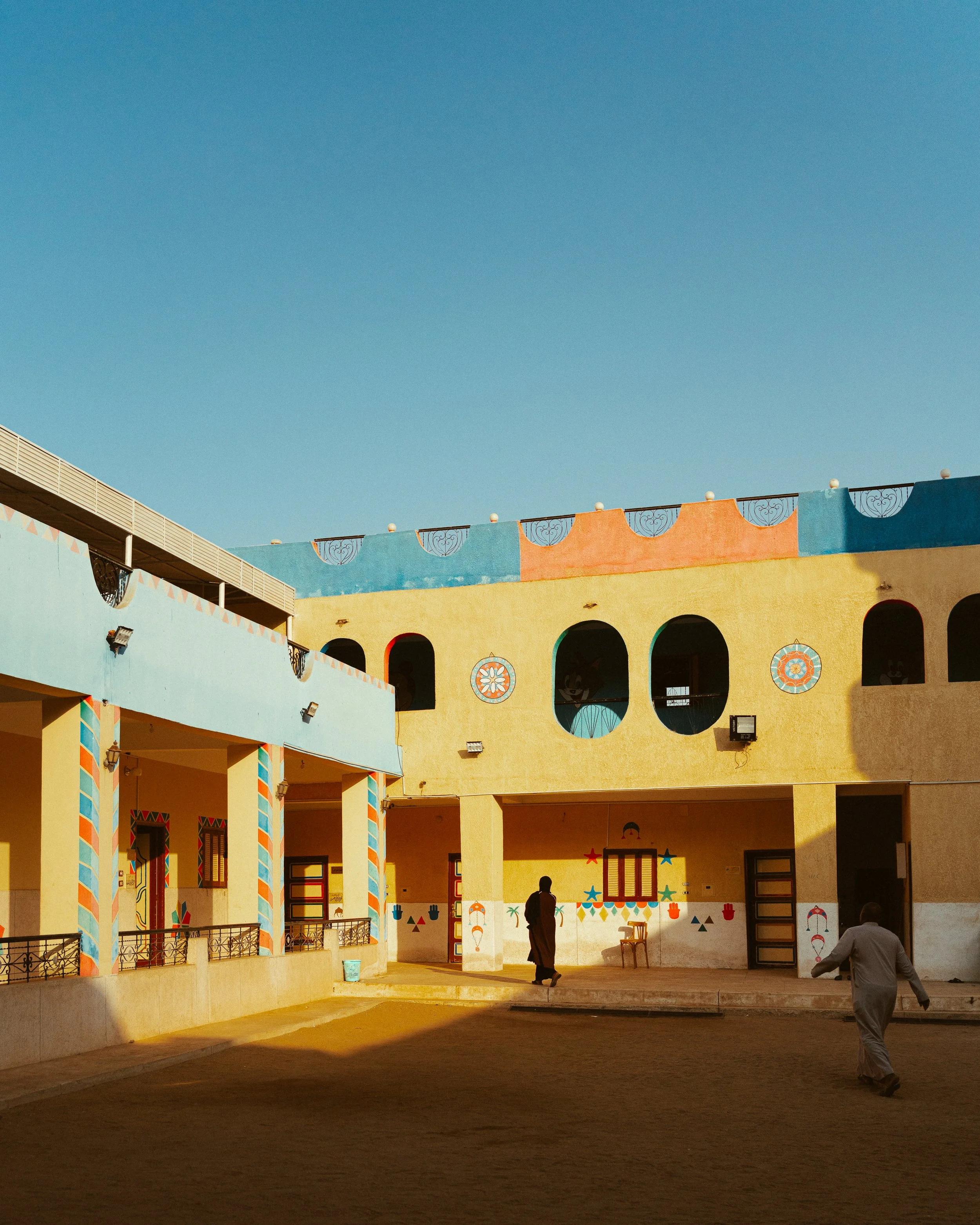
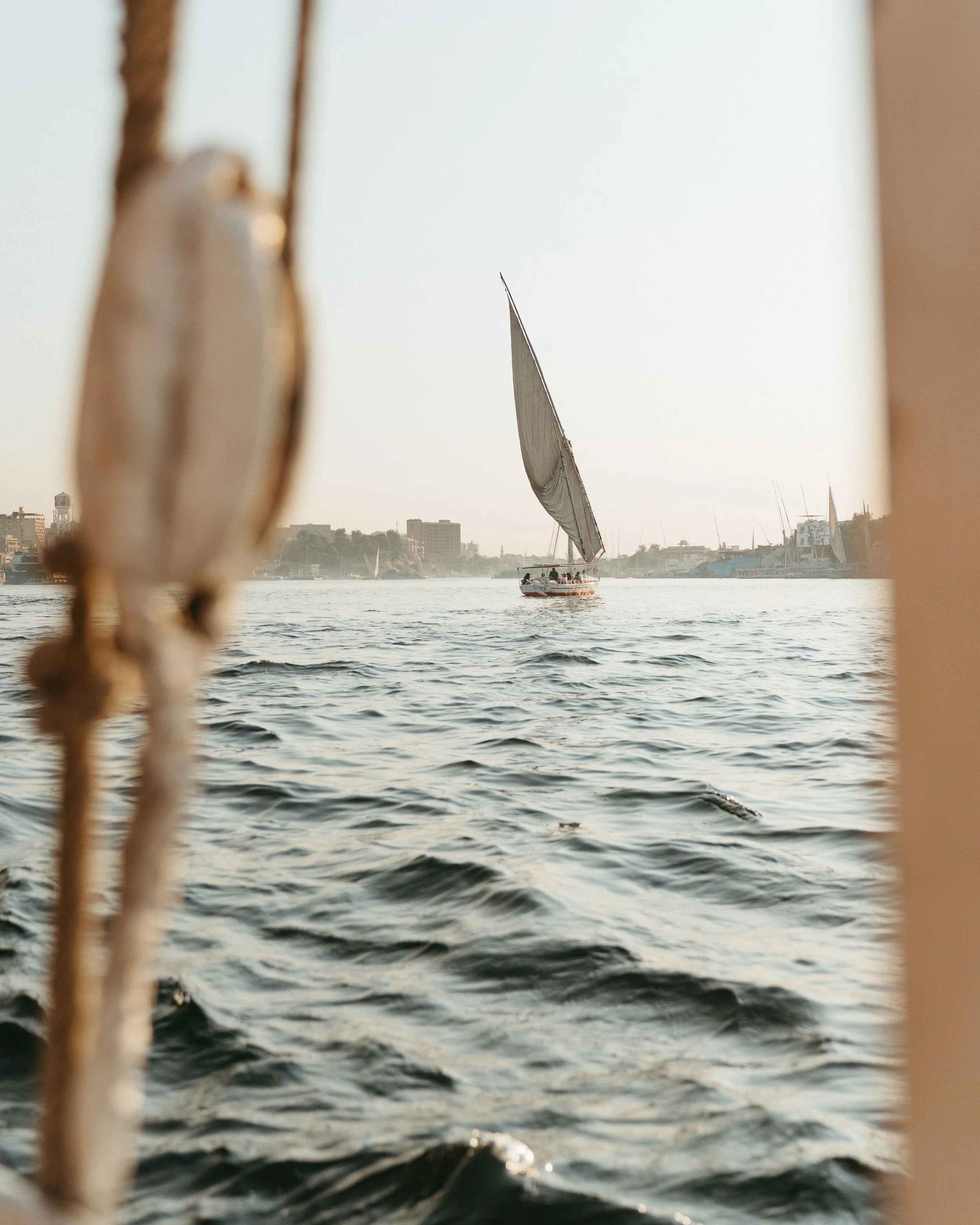
Evening in Aswan: Swim in the Nile (cooler than you'd think, but refreshing). Nubian village for local food, black mint tea; optional Nubian school to learn Arabic/Nubian. Felucca sail (traditional boats that hauled pink granite to Cairo). Dinner at Old Cataract Hotel—Agatha Christie vibes (she wrote "Death on the Nile" there).
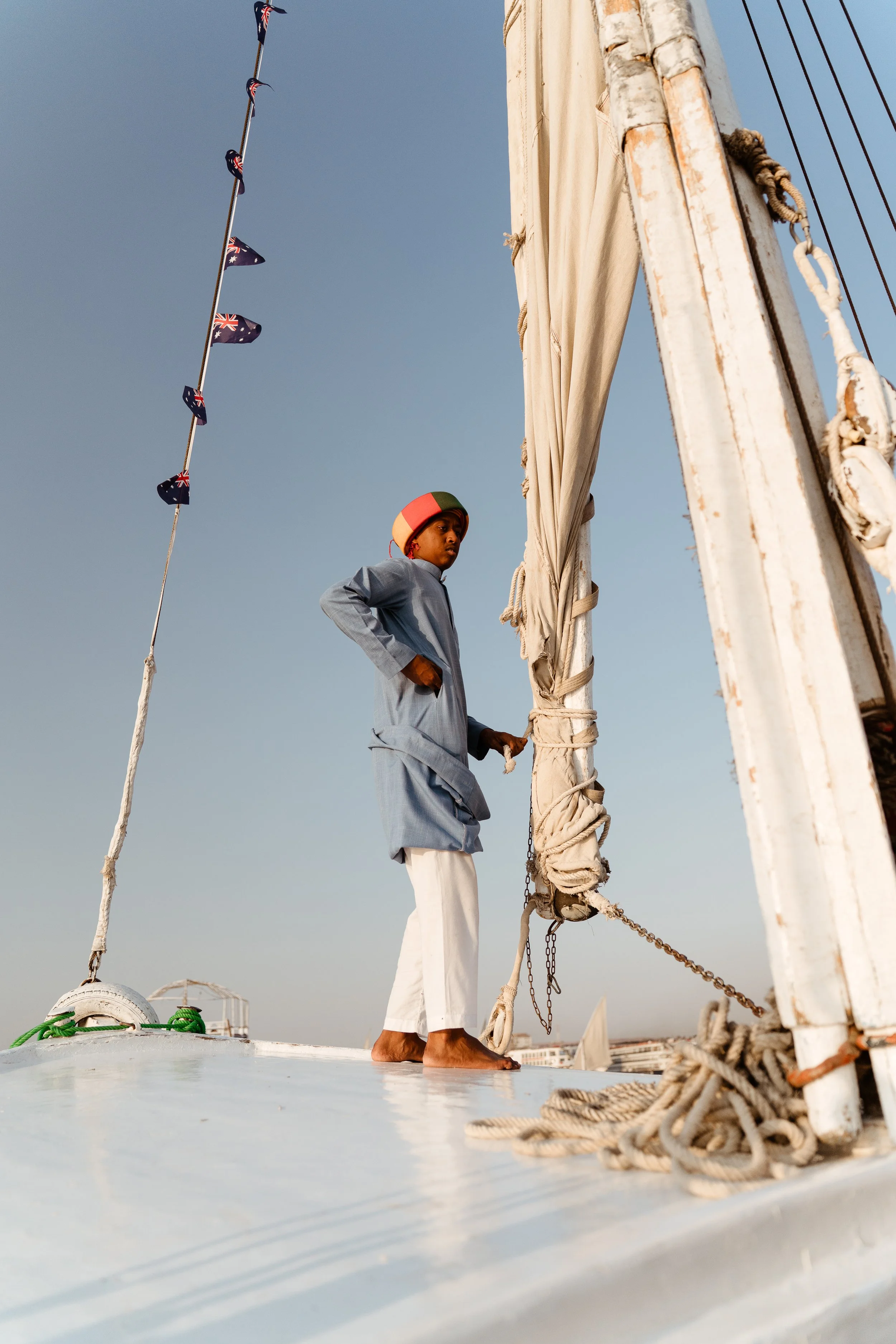
We wrapped in Aswan—office called, couldn't extend to Abu Simbel (needs a flight). Haven't been, but heard it's epic!
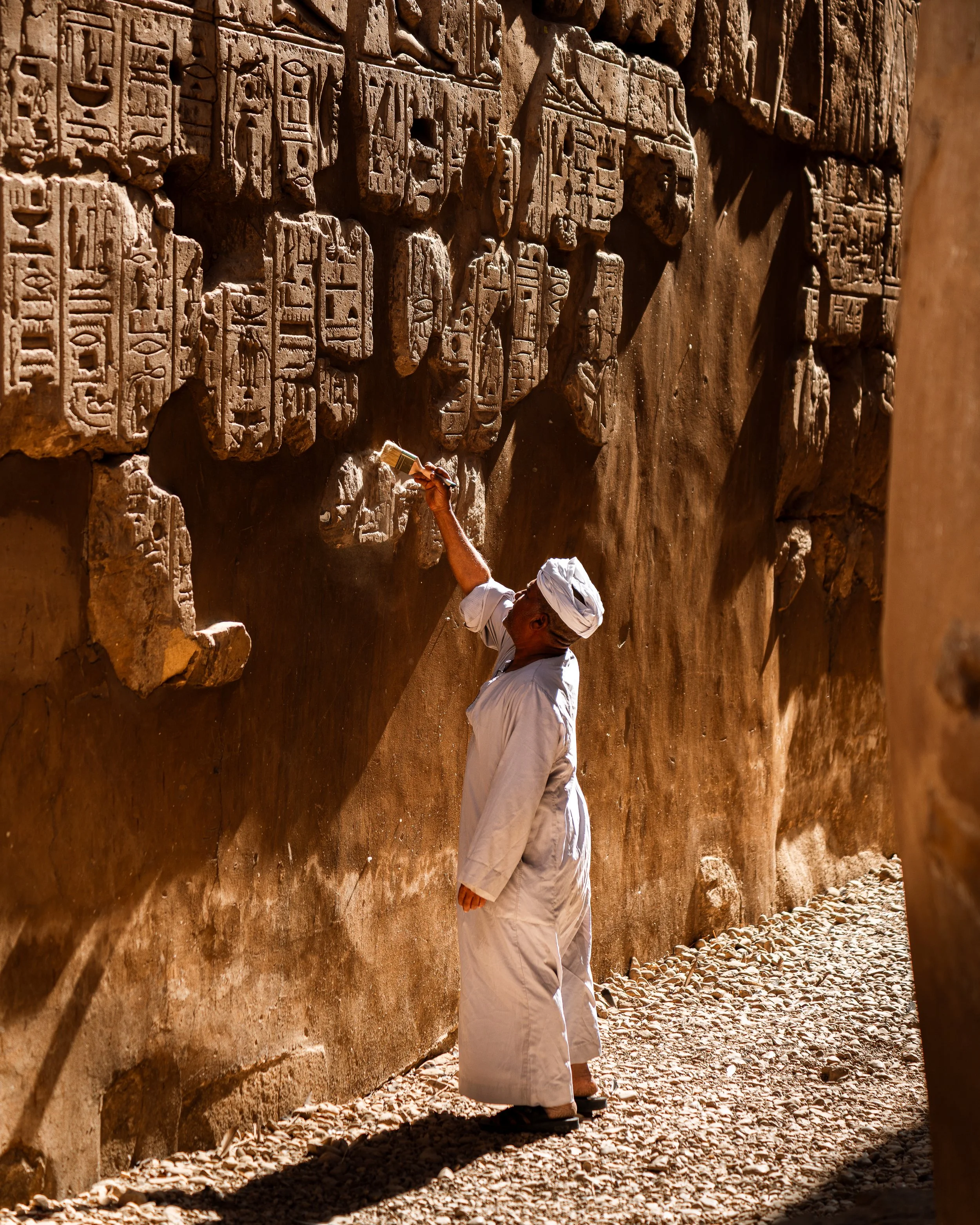
One last rant: Travel's gotten so performative. Everyone's shoving phones at every artifact, snapping 1,000+ pics without really absorbing it. Ironic from a photo guy like me, but I only shoot maybe a fifth of what I see—worthwhile stuff only. Some folks photographed every hieroglyph or info plaque to "read later" instead of living it in the moment...