

Two weeks driving barefoot through Costa Rica
Flying to San José. The city itself wasn’t the most intriguing part for us, so we decided to only spend the night there and a few hours early in the morning (visiting the museum of the central bank of Costa Rica as well as the National theater) — we arrived way too late to start driving around a new country at night. It’s worth noting that we rented a car for our 14‑day trip, as the idea was to stay flexible, moving around as much as we wanted and whenever we felt like it.
When renting a car, they’ll ask for a deposit in advance — those funds will be frozen, so bring some extra cash because you won’t be able to use that money during your trip. One piece of advice (and this applies anywhere you travel): take photos and videos of the car before leaving the rental place. Not that anyone’s ill‑intentioned, but rental companies can be pushy upon return, and having proof of the car’s condition helps you avoid unpleasant arguments. We rented from Adobe Car Costa Rica, choosing a 4x4 since many of the roads we’d be taking were quite sketchy.
For our first night, we stayed at a Selina Hostel — a well‑known chain found worldwide, usually a safe bet. In general, bring both cash and a Revolut card. In a few places, we experienced attempted overcharging, so stay sharp and double‑check prices. Let people see that you’re paying attention — it goes a long way. This disclaimer is not related in any way to Selina hostel by the way, it is just “an early on disclaimer” that can be valid to every location mentioned throughout this article.
First Destination: San José to Montezuma
The drive to Montezuma is beautiful — the scenery feels surreal, and as always in the first few days of a trip, everything seems exciting. The route involves a ferry from Puntarenas-Paquera, which turned out to be a fun experience.
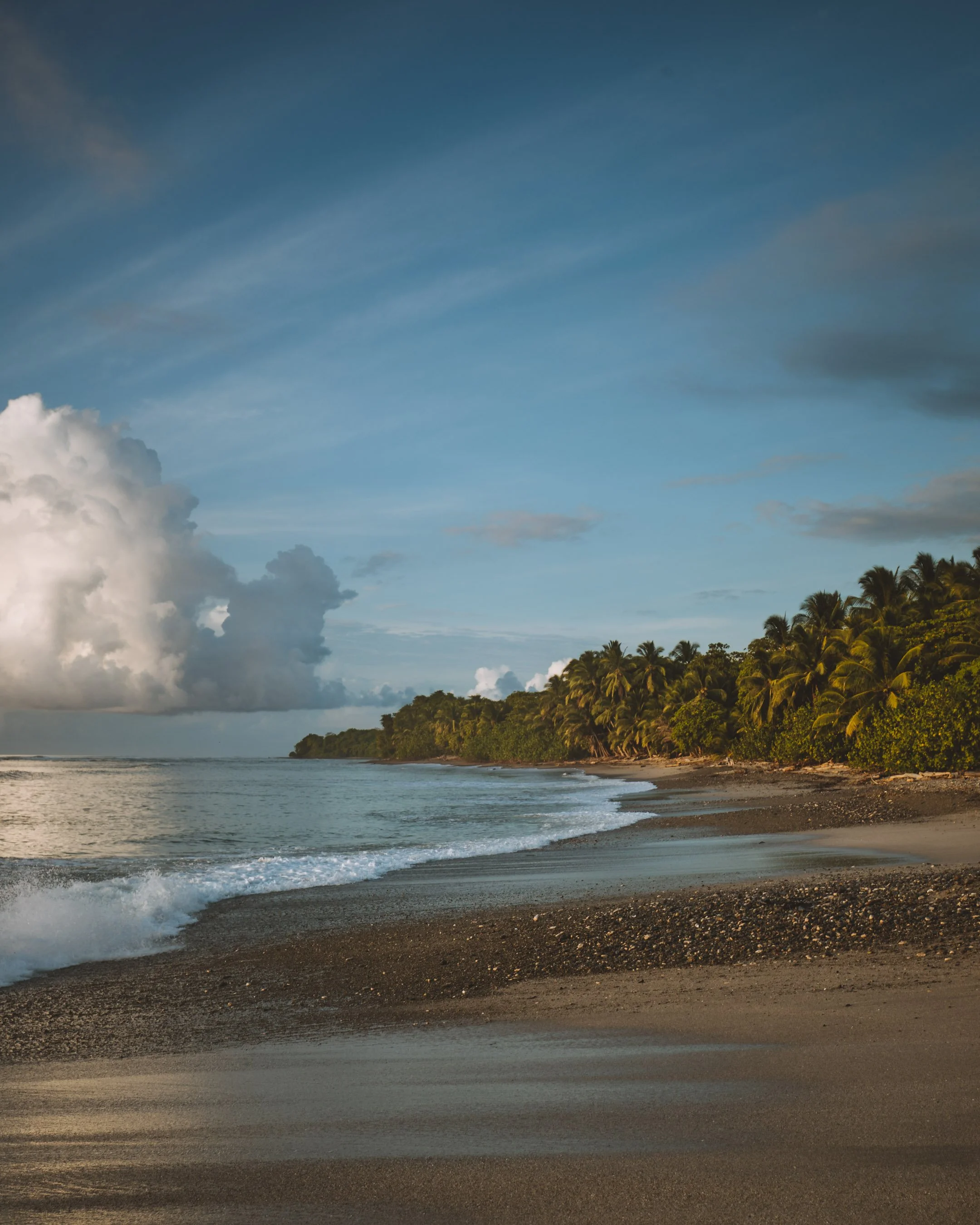
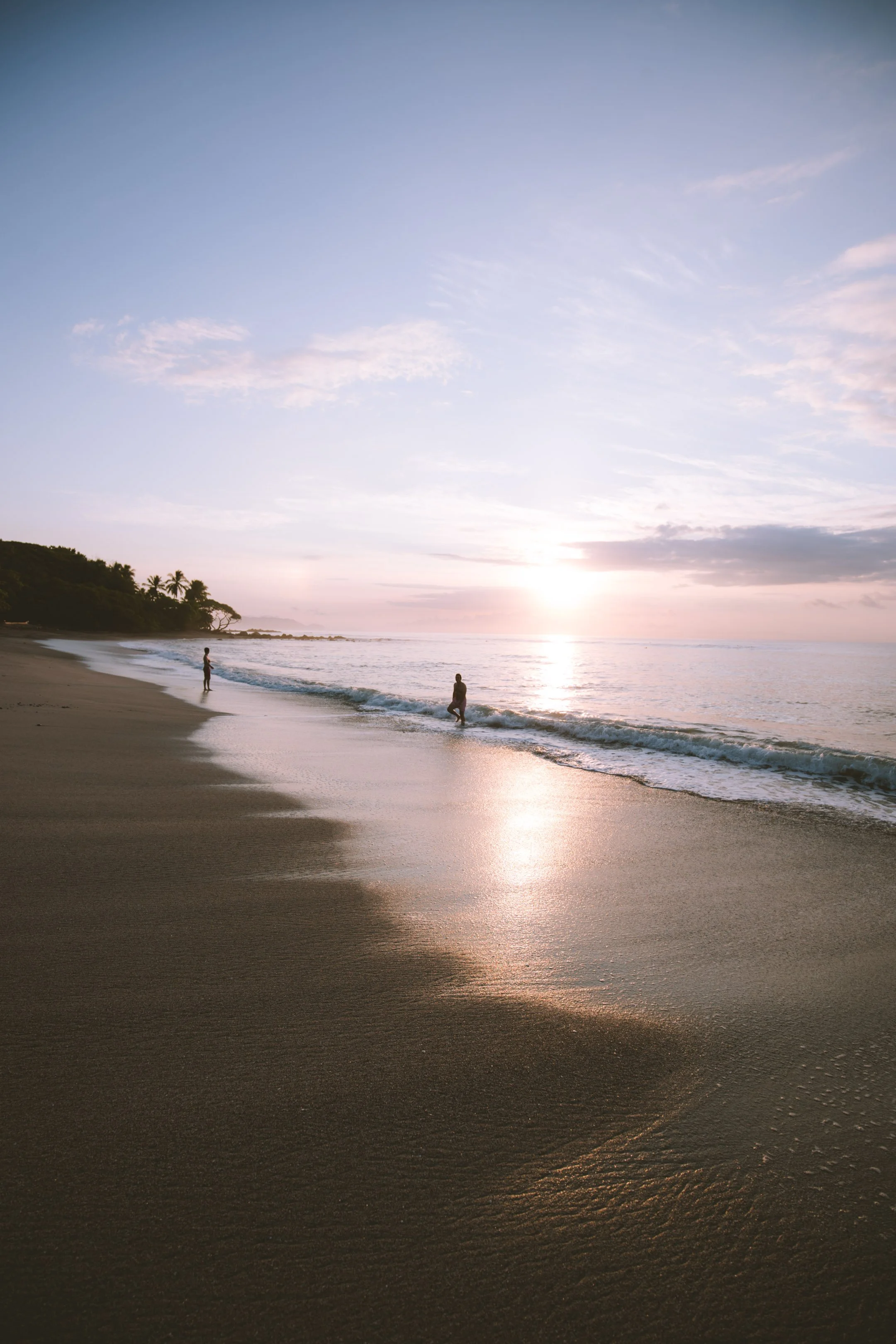
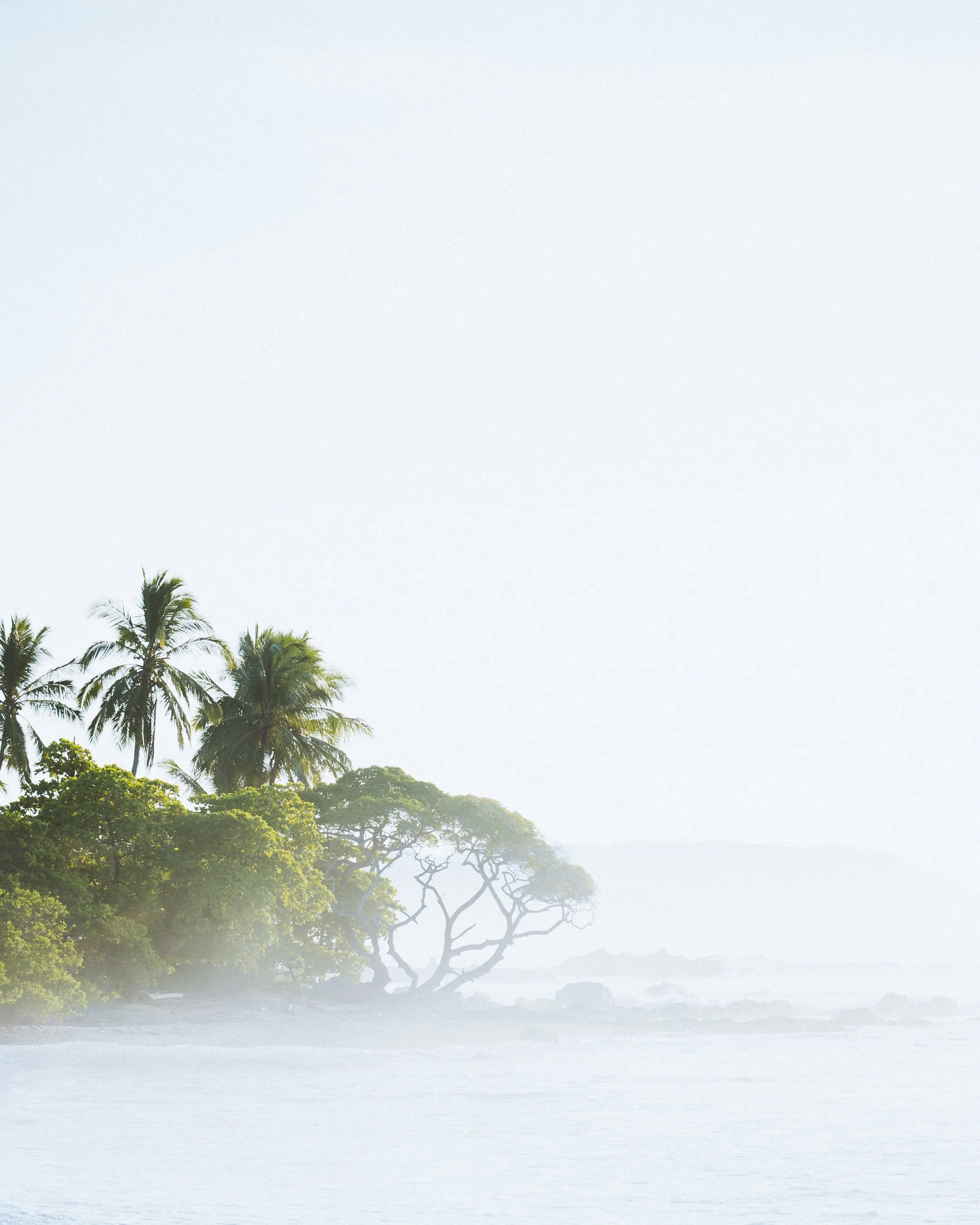
Montezuma is such a unique little town on Costa Rica’s west coast — it reminded us of Ibiza in the ‘60s–‘70s. It’s basically one main street with a very relaxed vibe, full of smiles and friendly faces. People walk barefoot, surf, sunbathe all day, and end the evenings dancing at the small bars along the main strip. You just follow the music.
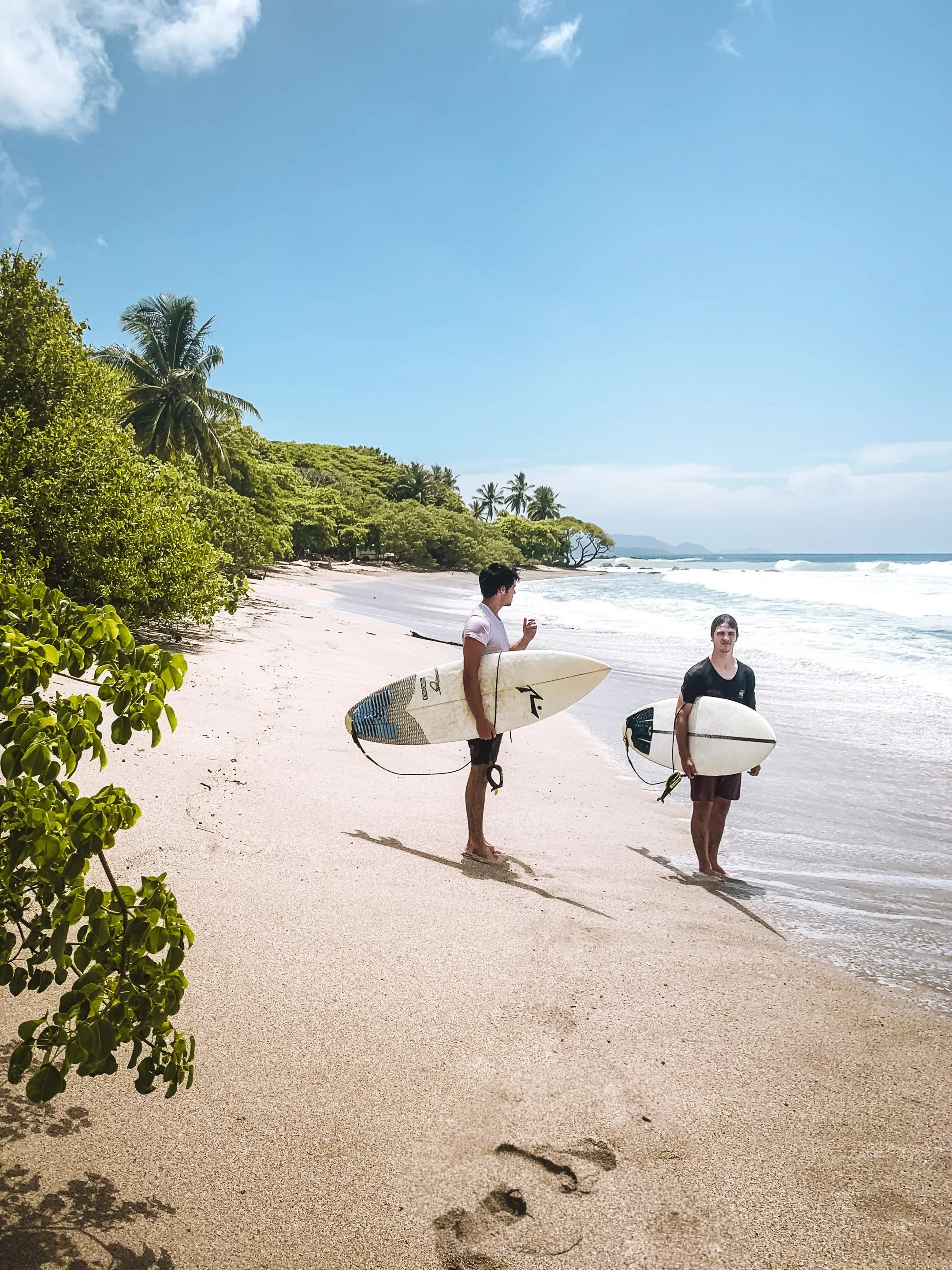
There’s also an incredible surf spot with a powerful left (I’ll try to include a photo, though I won’t share the exact location — it’s easy to find if you look). The locals were quite harsh with us, even though we both speak Spanish, which we thought would help — it didn’t.
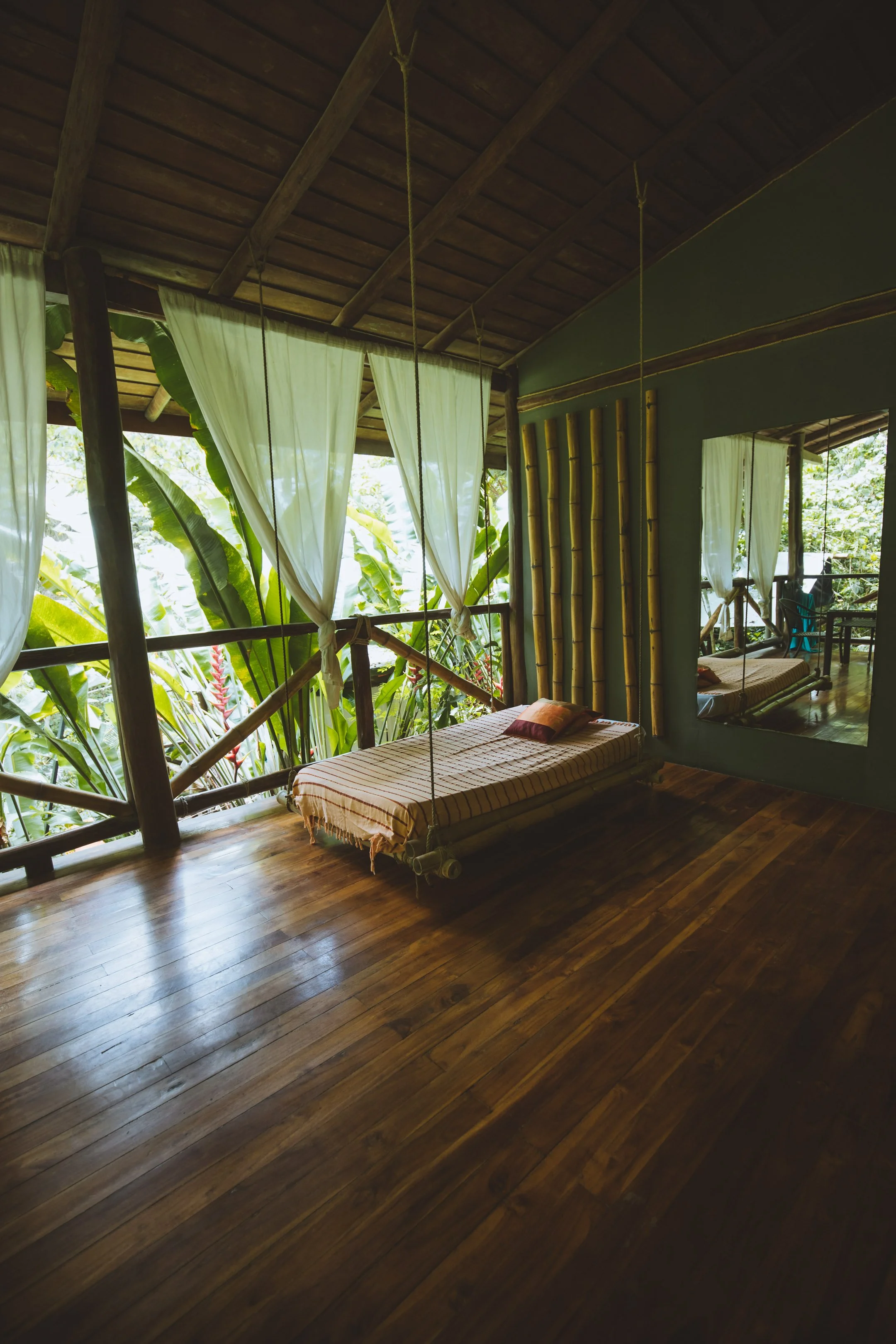
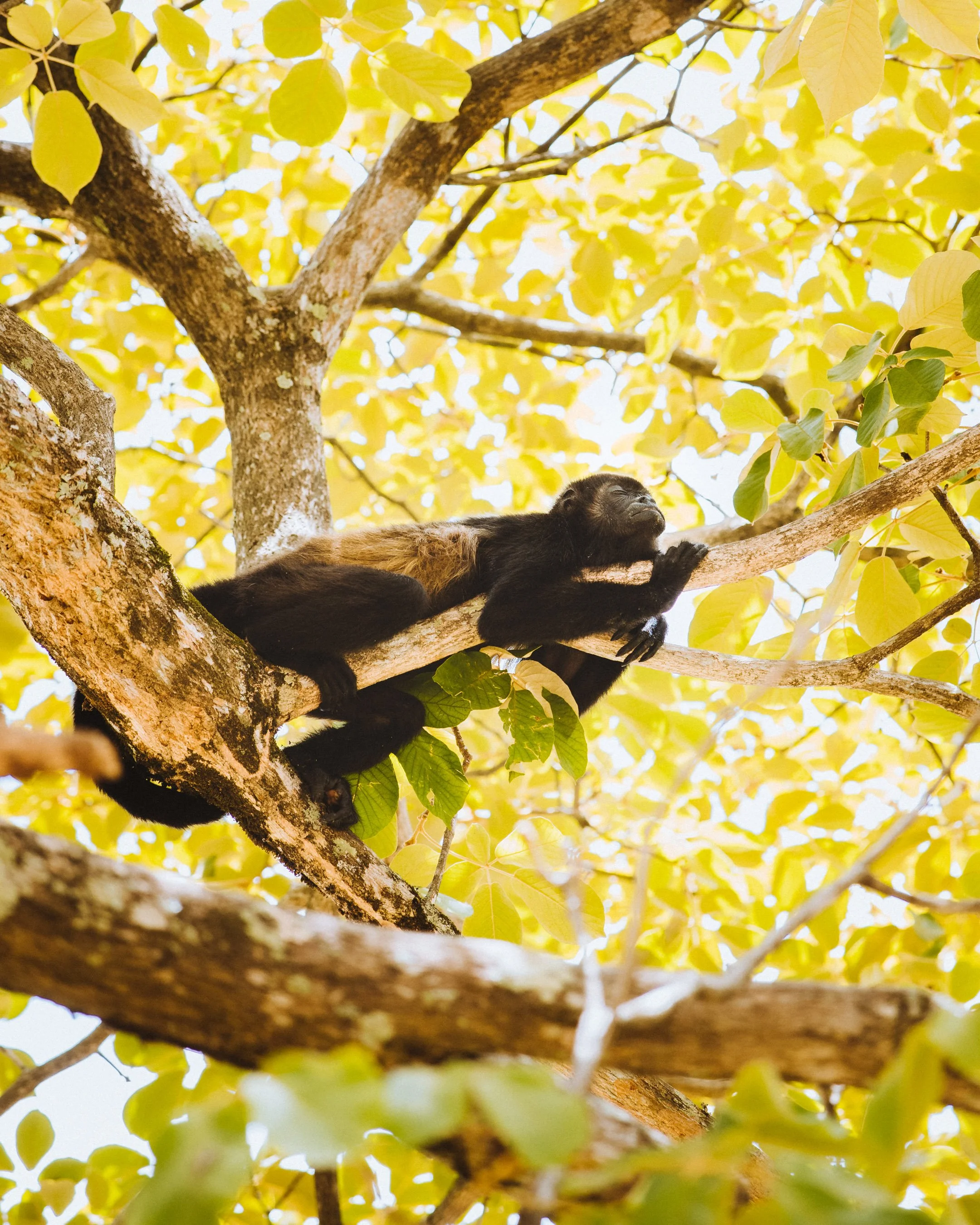
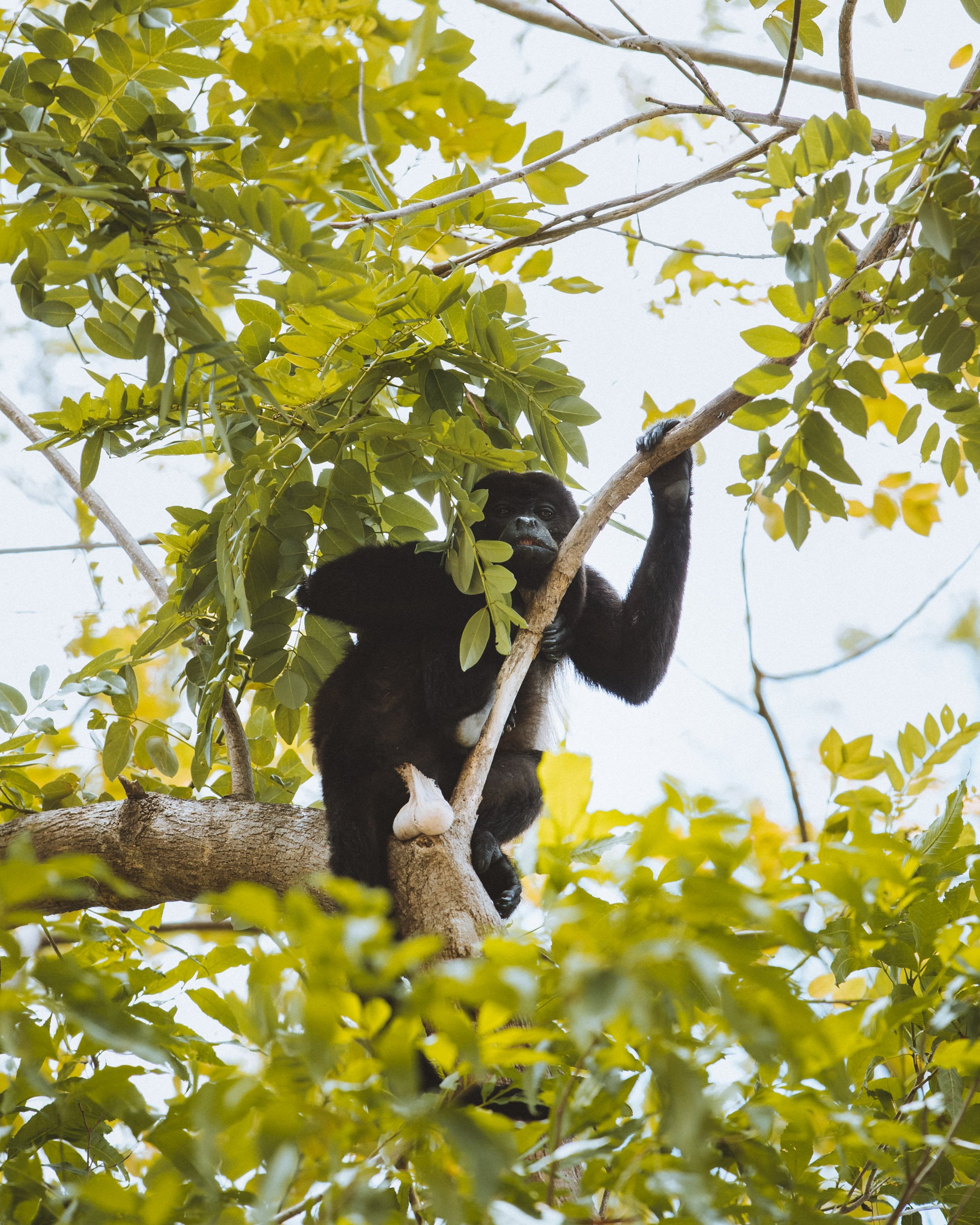
We stayed just outside Montezuma at L&L Montezuma (Boho Lodge Montezuma), a place with small bungalows in the middle of the jungle. At night you can hear monkeys and other wildlife — pretty incredible if you’re used to city life.
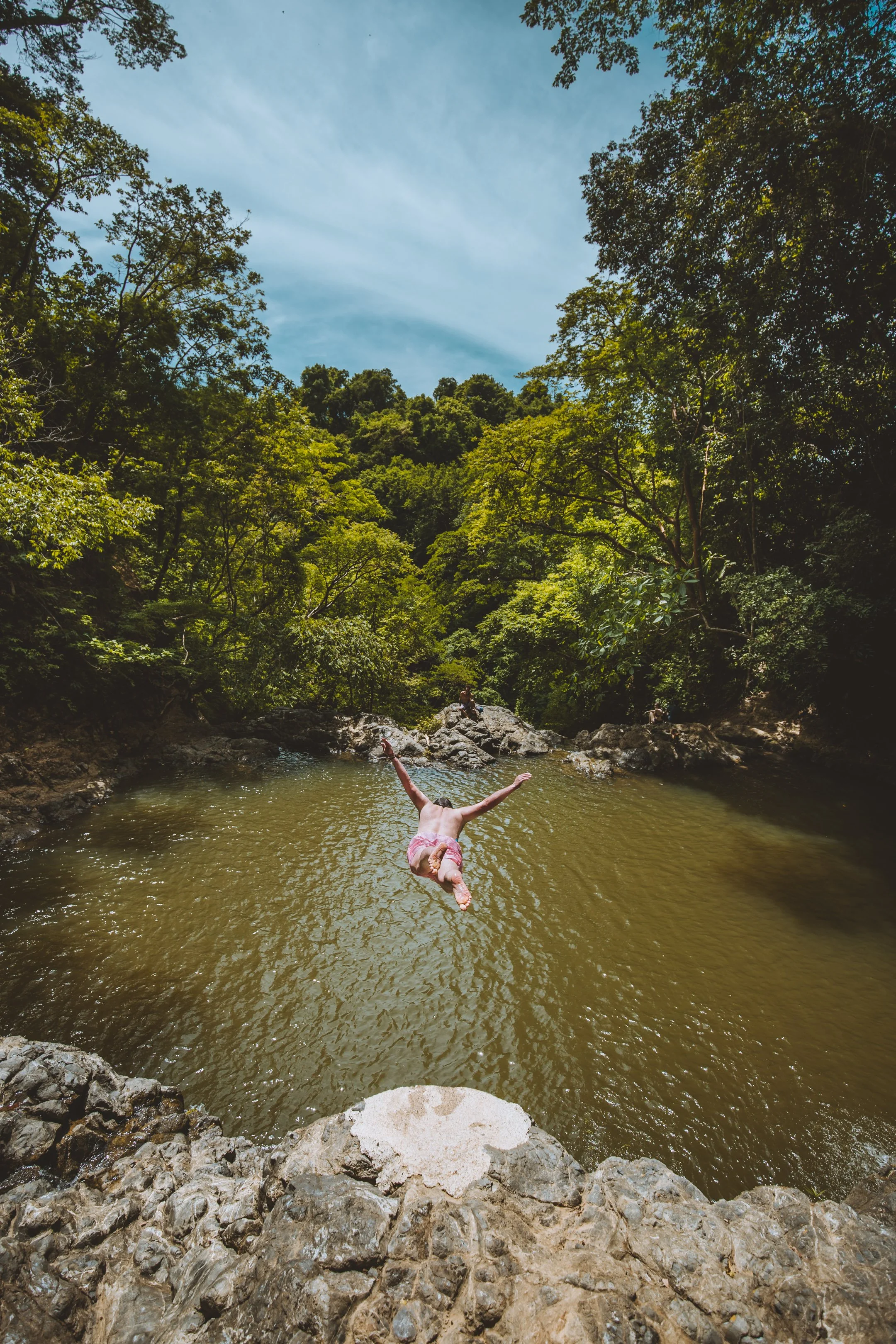
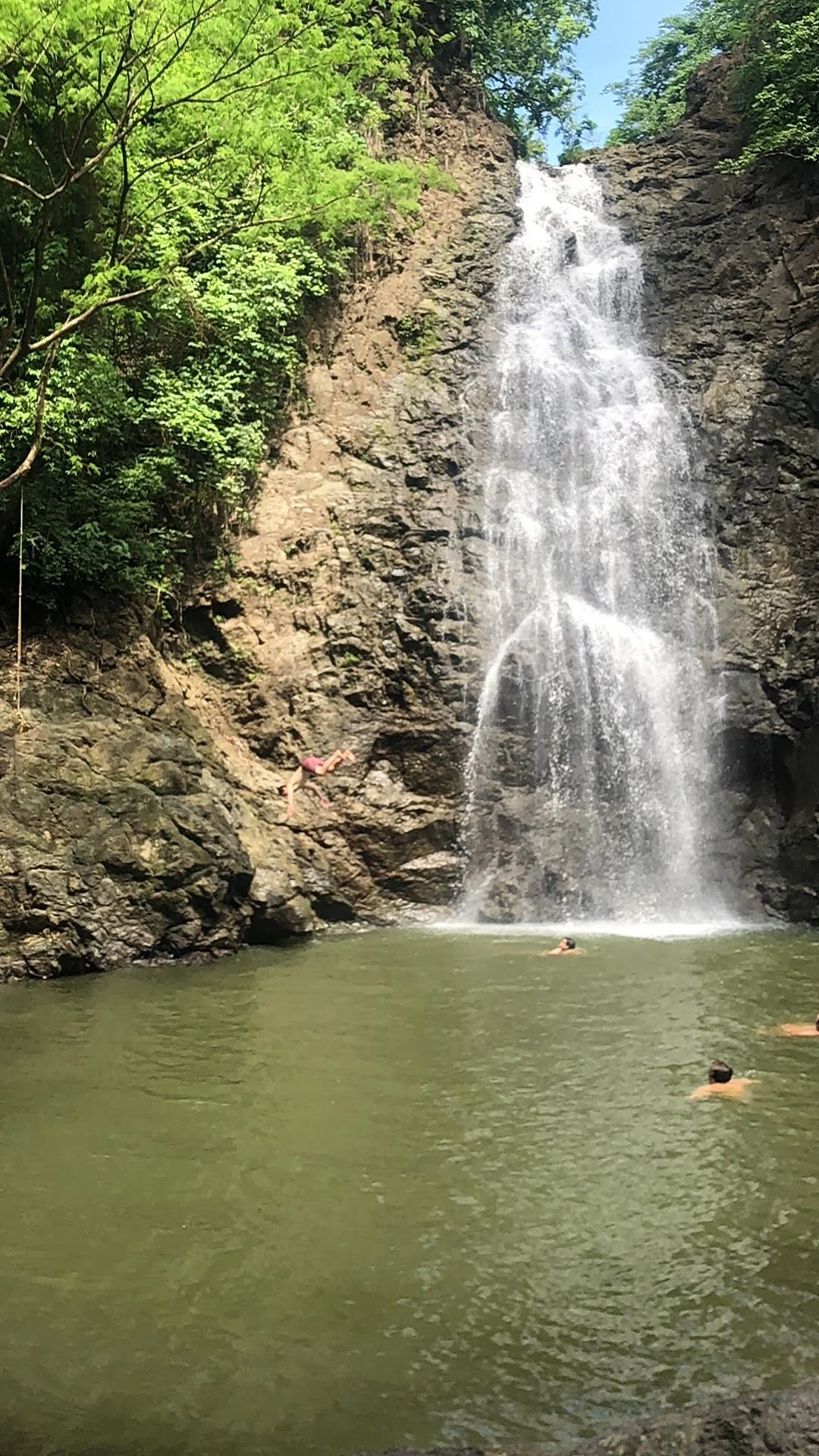
Definitely do the Montezuma Waterfall hike — it’s not difficult. Be aware, though, that locals might approach you along the way offering casual conversation and then suddenly ask for a “tip” for having “guided” you. We avoided that by politely telling one early on that we didn’t have money and knew where we were going — his attitude changed immediately and he left. Brutal, but it saved us the hassle.
Second Destination: Santa Teresa
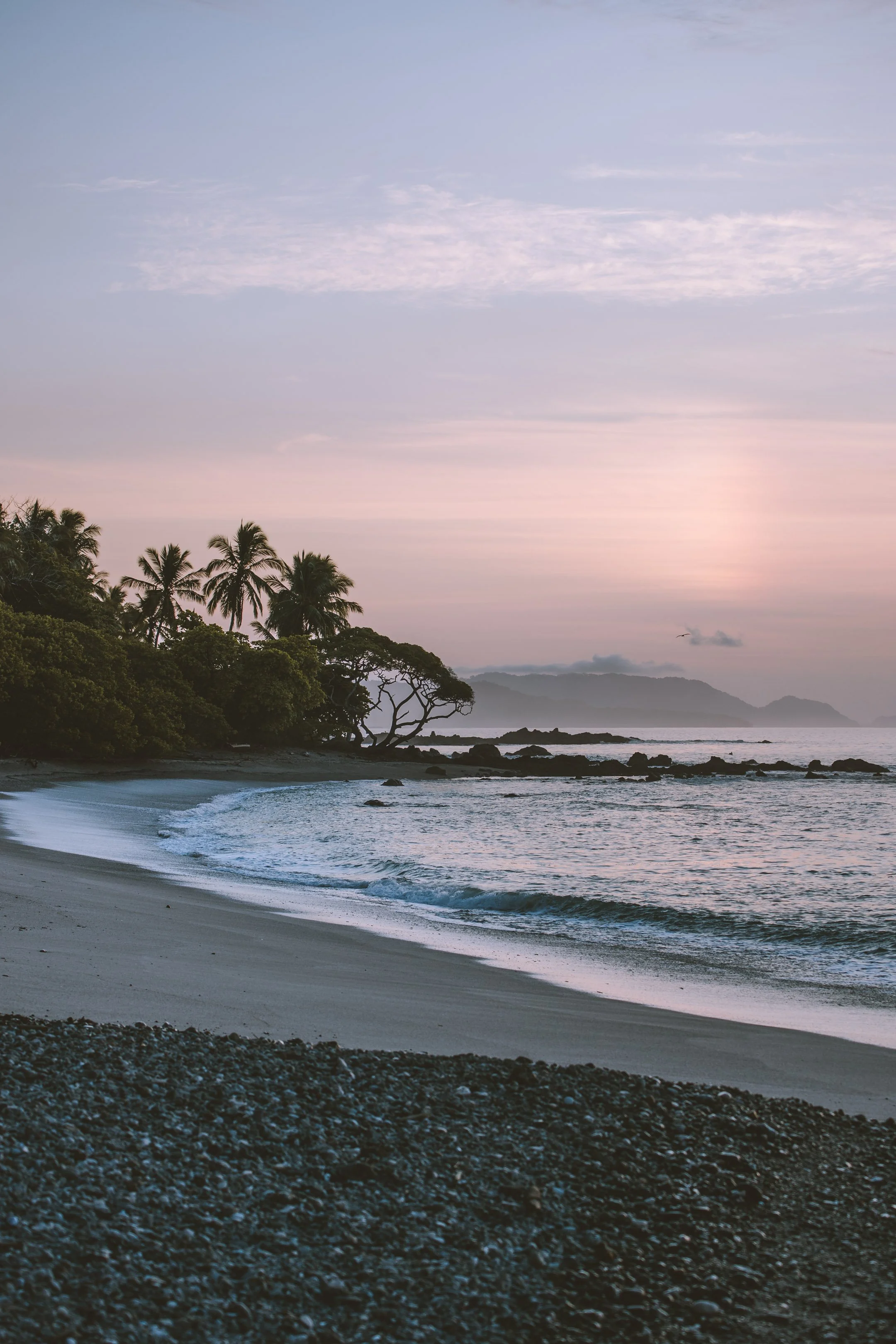
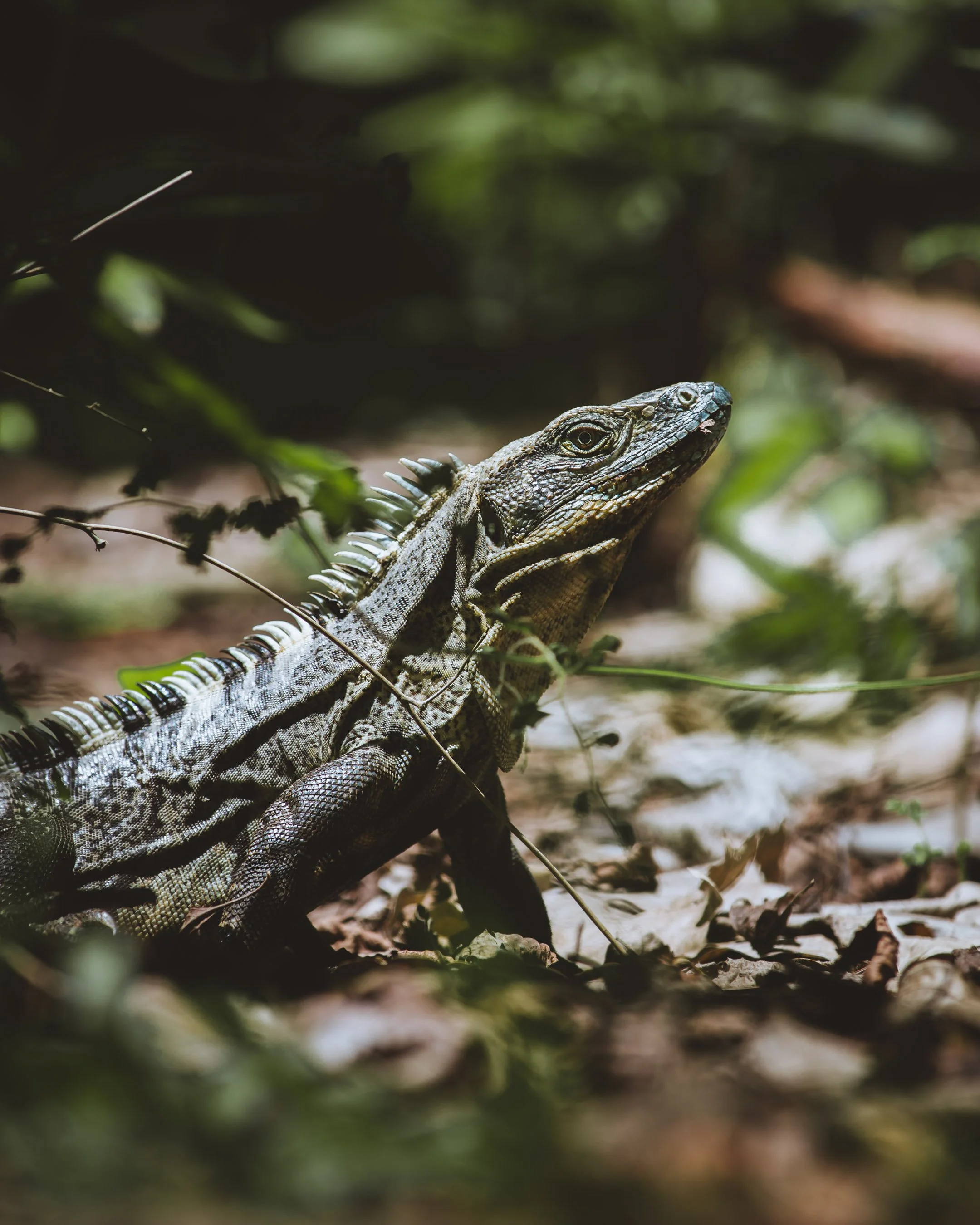
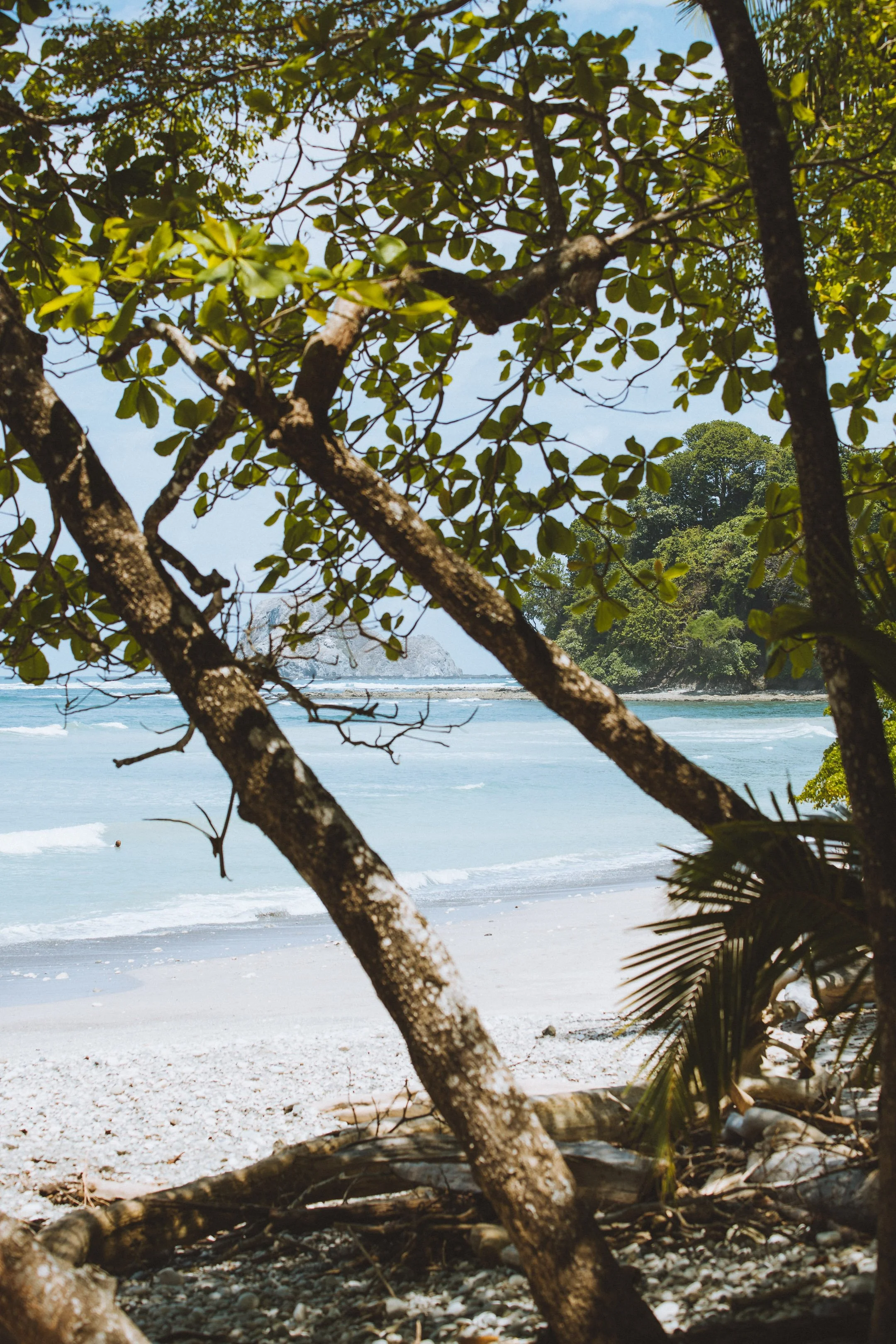
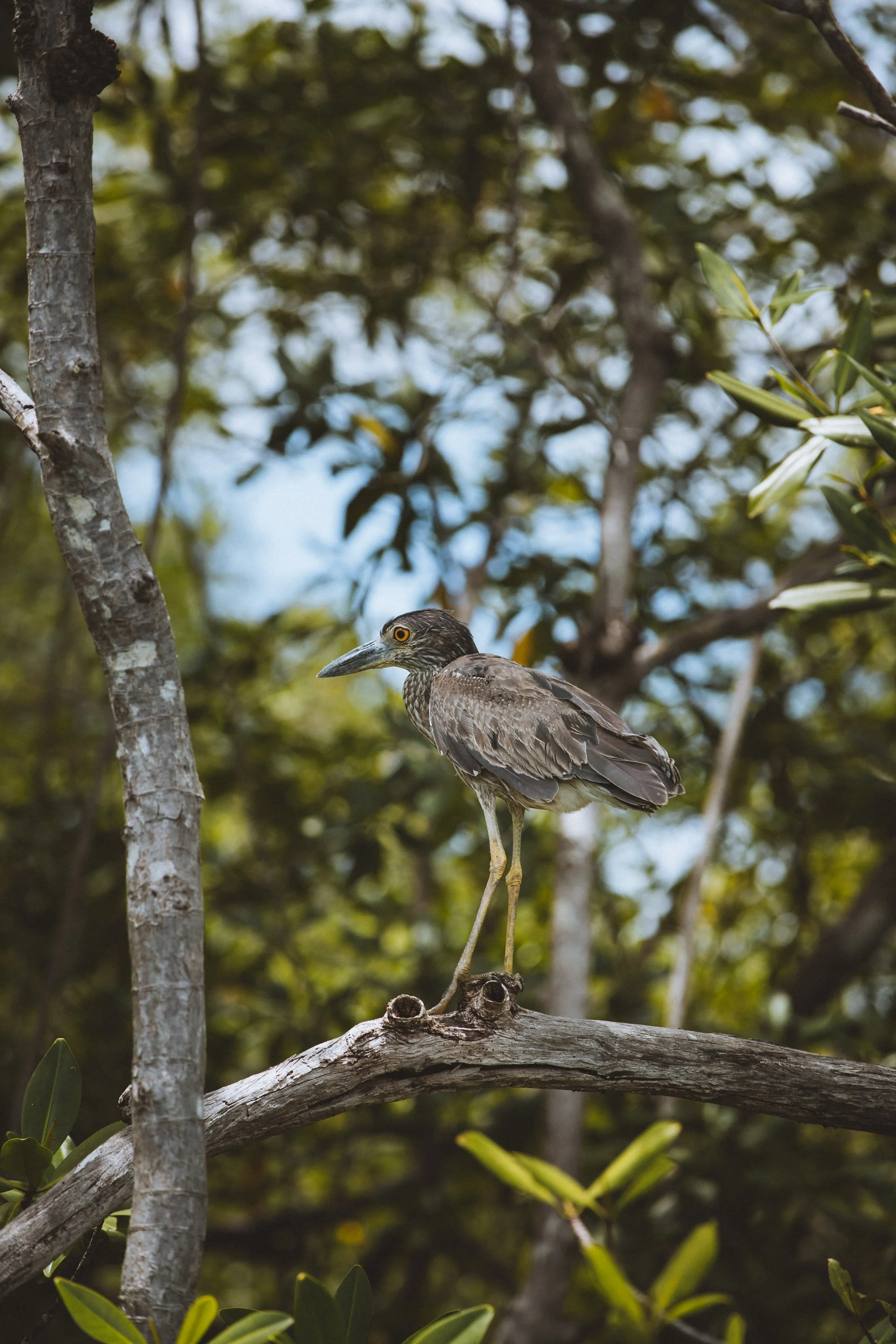
On the way, we stopped at Reserva Natural Cabo Blanco. There’s a great 10‑kilometer hike there with some elevation gain (prepare to sweat). The reward is Playa Cabo Blanco, a small untouched paradise where you can swim and have a picnic — bring your own food and water, as there’s nowhere to buy anything there. If you’re quiet, you might spot some amazing insects or wild animals along the way.
After the hike, we drove to Santa Teresa, which we’d been excited about for its surfing, young crowd, lively beach parties, and restaurants (this whole trip was our university graduation celebration, so a bit of partying was part of the plan).
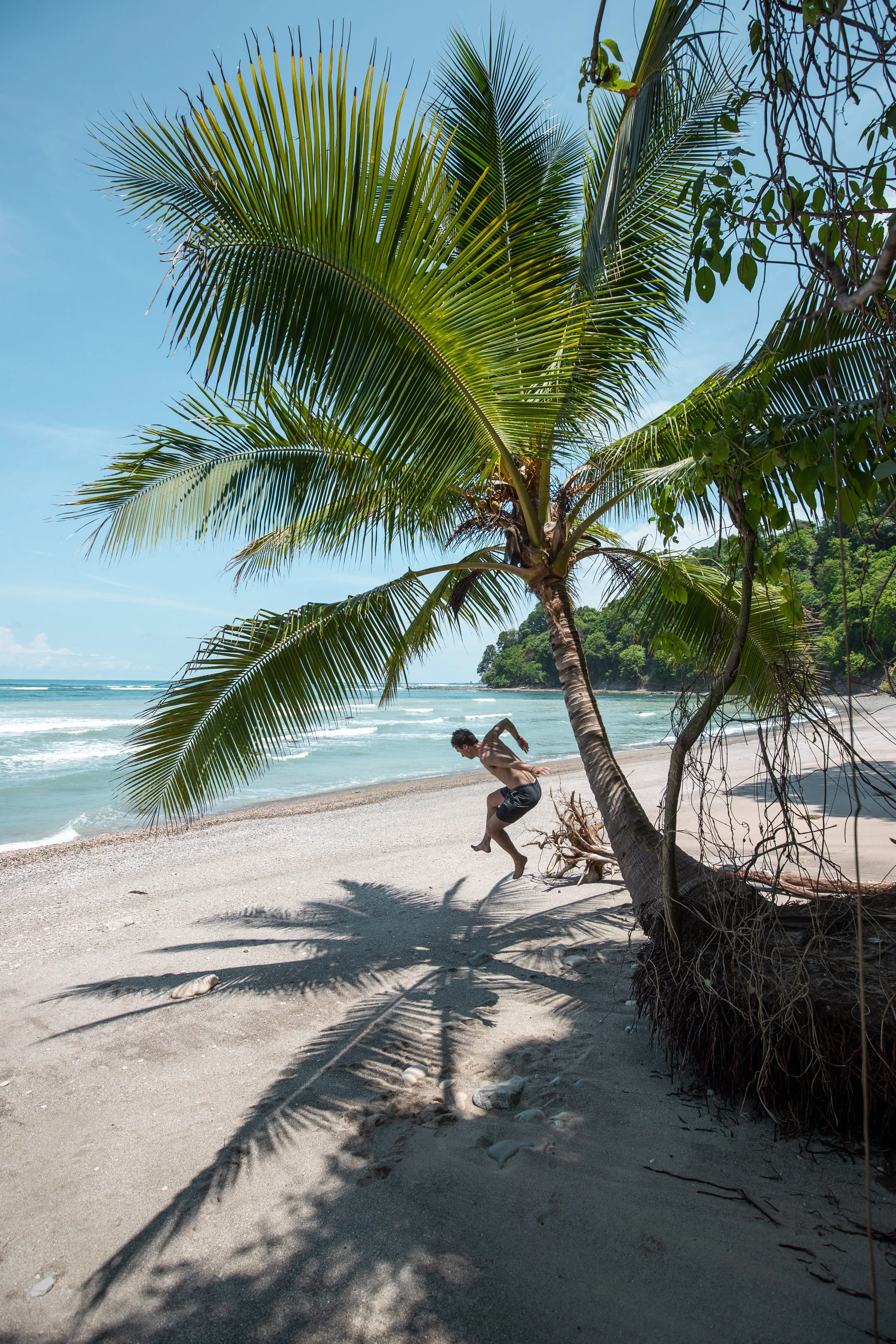
We first stayed at Hostal Zeneidas Surf Garden, practically beachfront — great for meeting people in a new coastal town. Unless you’re completely antisocial, you’ll get invited to a beach party or two. One night we ended up at a fantastic techno party in a beach house. Days were simple: surfing, relaxing, and endless beach time. We bought a cooler, filled it with ice and beers (Pilsner) every morning, and lived happily beer‑to‑sand‑to‑wave. In Santa Teresa, it’s totally normal to walk into a supermarket barefoot and shirtless — that’s the vibe.
After a few nights, we switched to Canaima Beach House, a slightly fancier but still affordable option. If you’re traveling with your partner, this is the one to go for — a shared private pool and a calmer atmosphere.
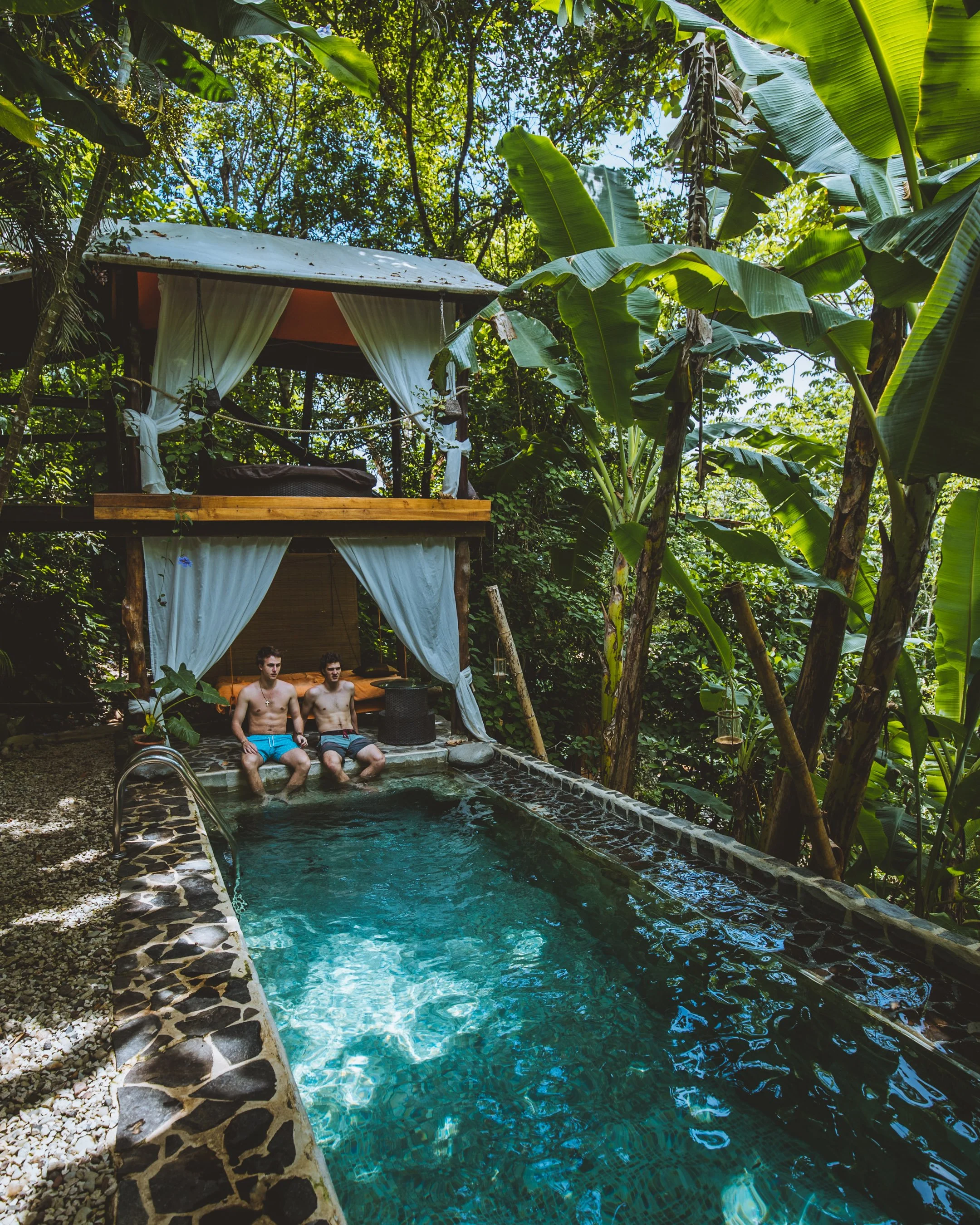
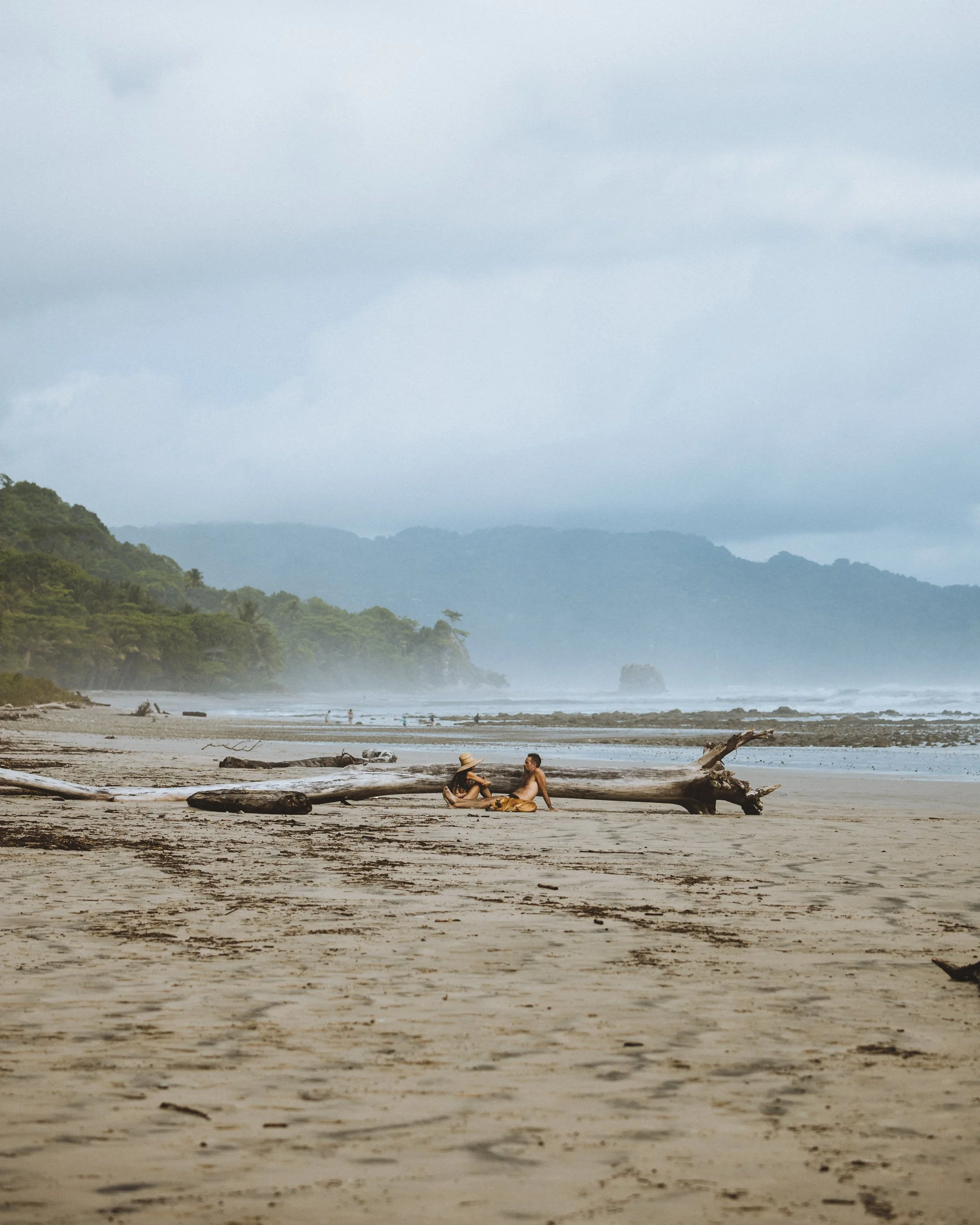
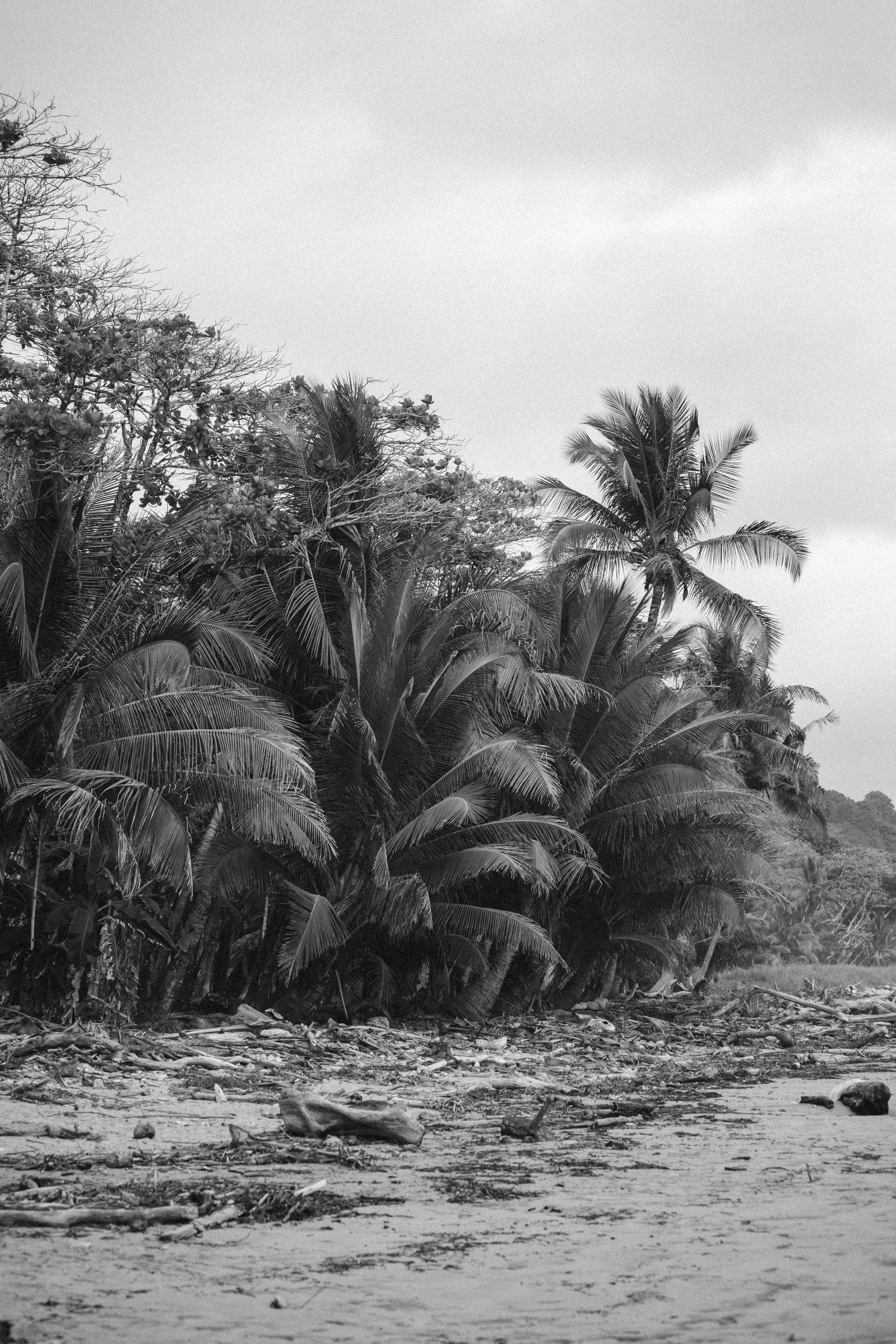
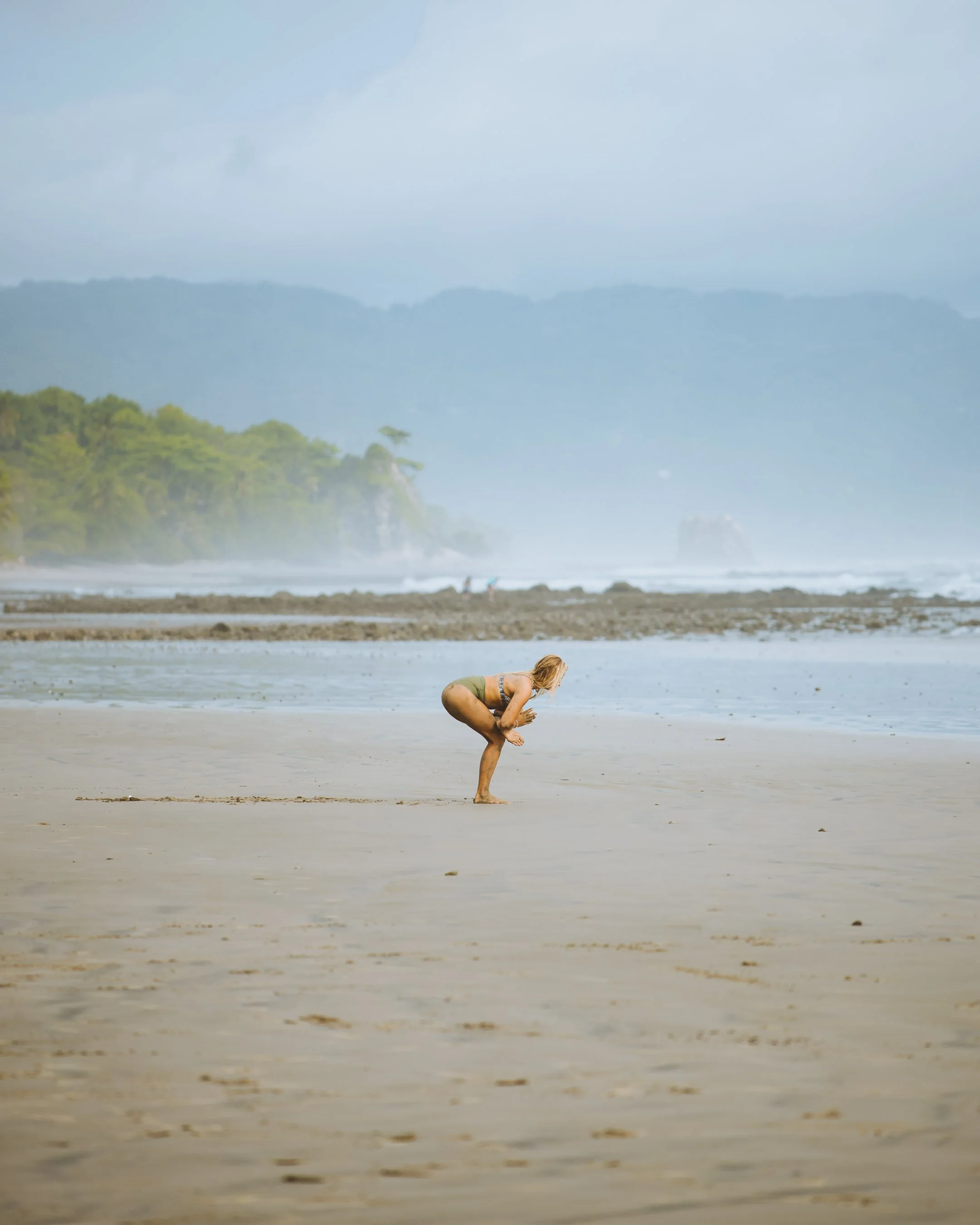
Must‑visit beaches: Playa Hermosa and Playa Manzanillo.
Favorite breakfast spot: Sunrise Café (inside Eat Street Pavilion) — amazing burritos.
Dinner recommendation: Facón Grill Bar, absolutely worth it. Although it should be noted that the most typical place to eat in Costa Rica are the so called “Sodas” where you can usually eat traditional dishes at more or less cheap rates. We mostly had those meals but every now and then we looked bur something different is it was just too much time to be eating the same dishes over and over.
Third Destination: Tamarindo (aka “Tamagringo”)
The drive to Tamarindo took about four hours, and honestly… we could’ve skipped it. It’s packed with all‑inclusive resorts and mass tourism — basically everything we try to avoid. We were so put off by the crowds that we just rented boards and went to surf further out of town. We found a spot near an estuary, but when we realized there were crocodiles nearby, we got out of the water incredibly fast.
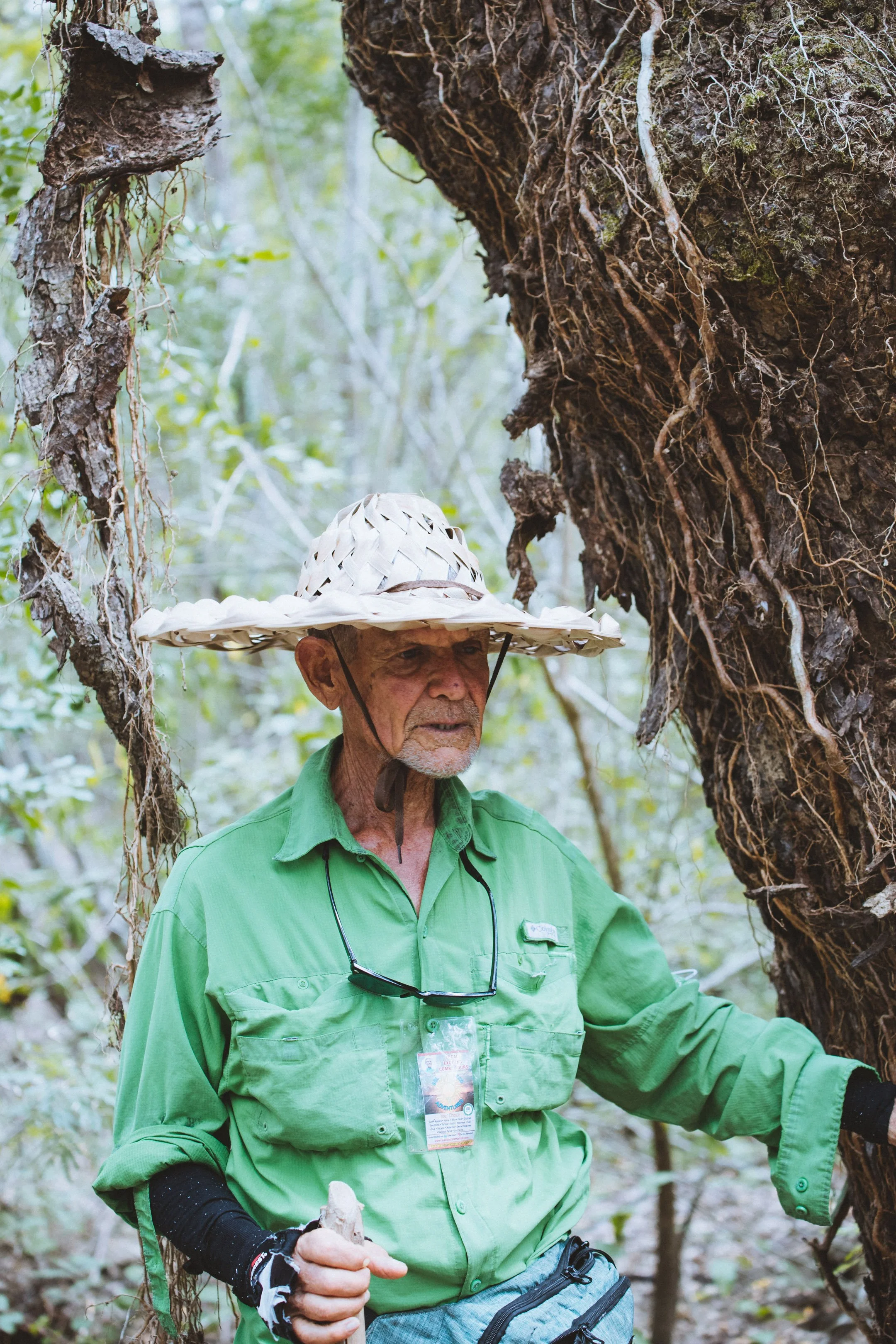
The next day, there were no waves anyway, so we decided to go crocodile‑spotting — this time with a local guide. Ironically, we only saw monkeys. Bad luck, but the guide was a legend and shared great stories from his past working as a wildlife ranger in Tamarindo.
Fourth Destination: La Fortuna
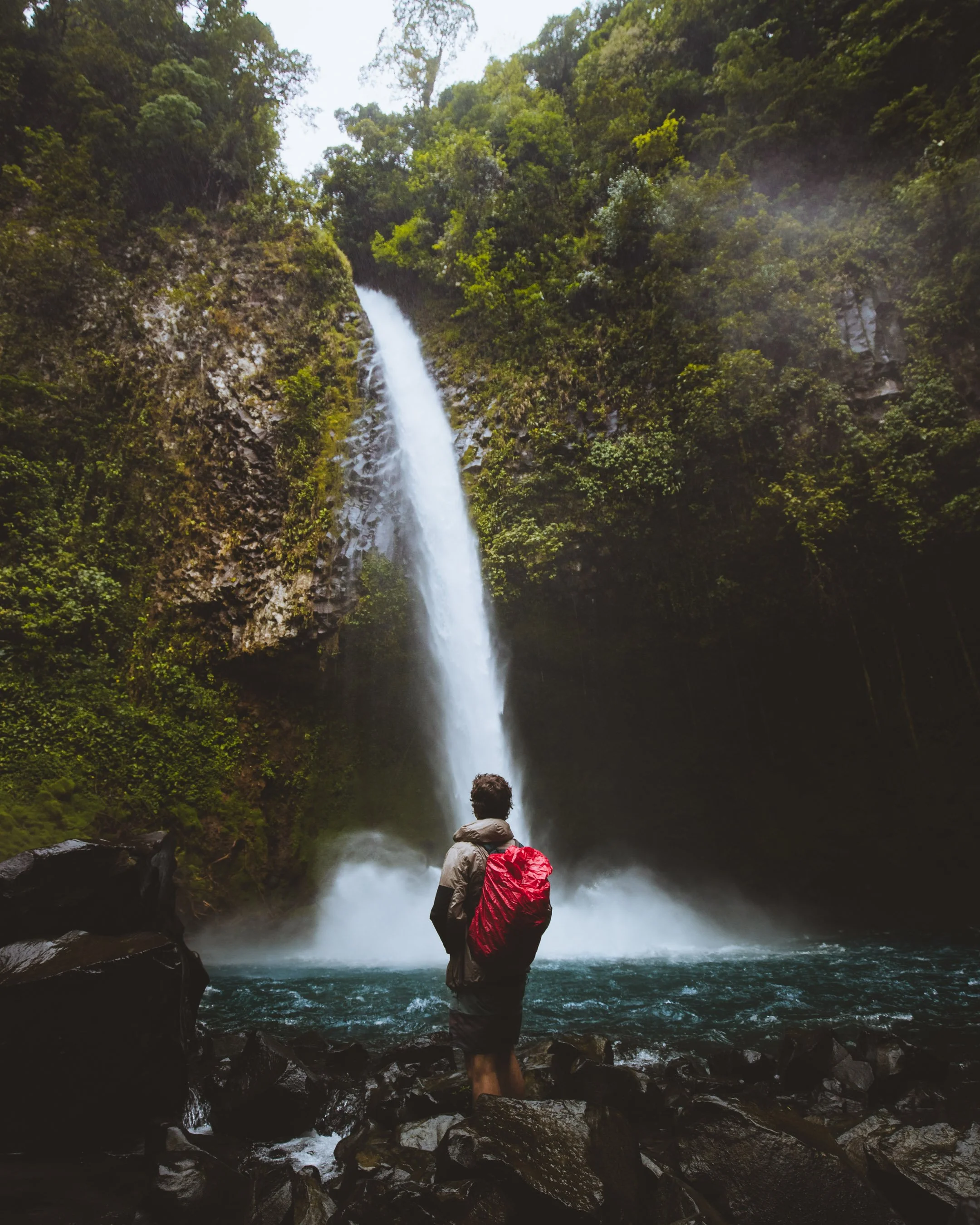
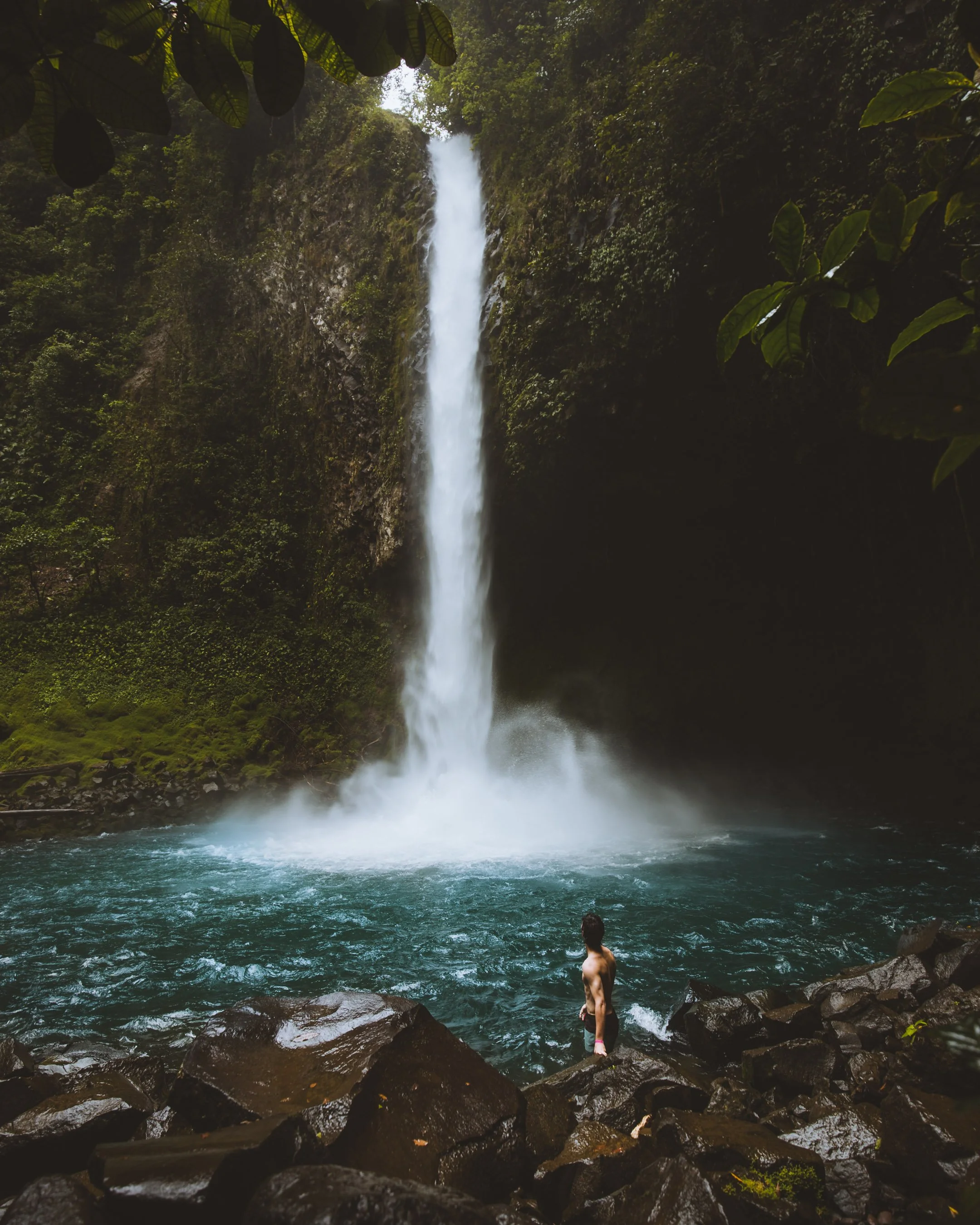
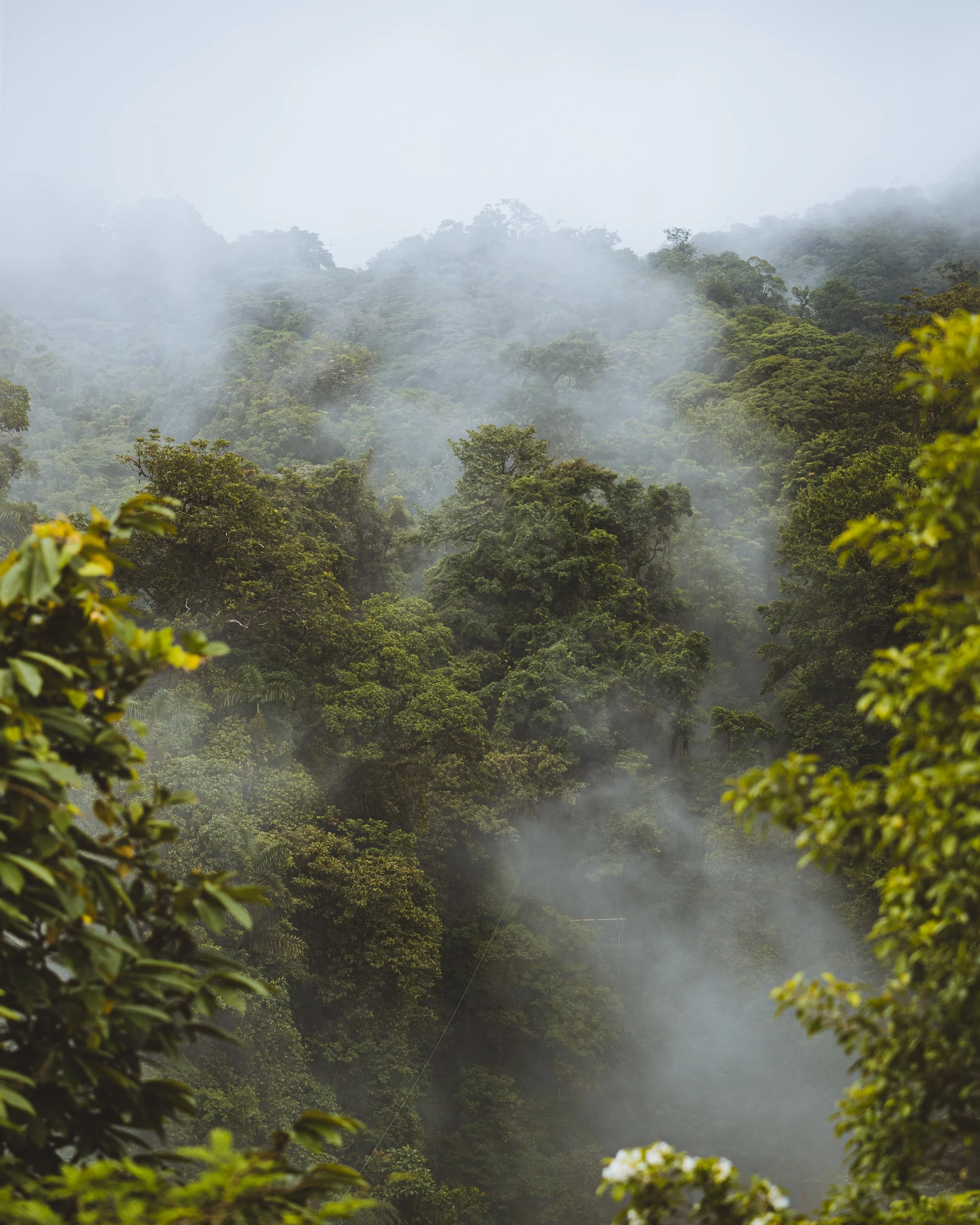
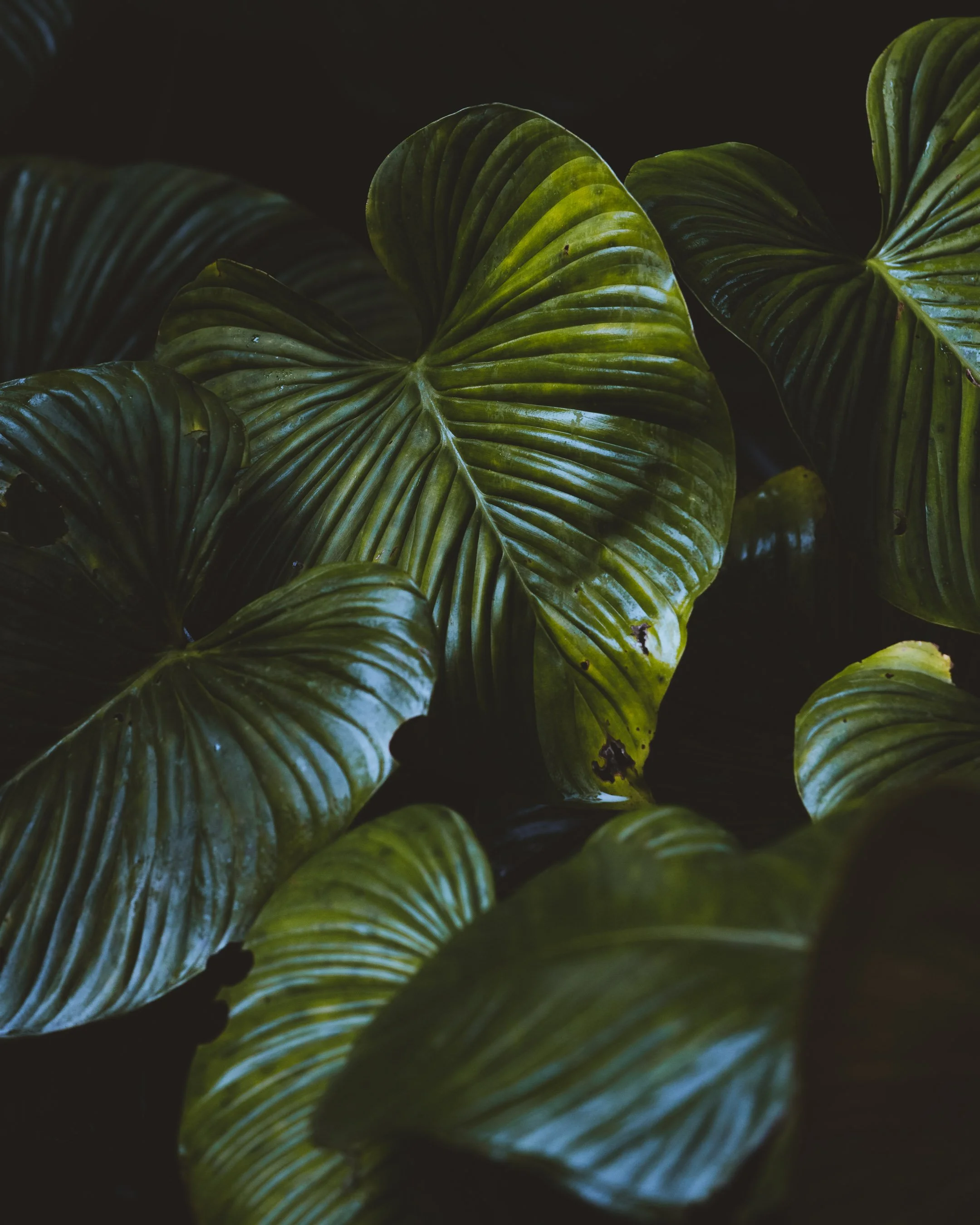
For the final leg, we headed inland — everyone had had enough beach time, and some of us couldn’t handle more sunburn anyway. The drive from Tamarindo to La Fortuna (Arenal area, Alajuela Province — not actually Guanacaste) was stunning. The scenery turns a thousand shades of green as you enter the rainforest region.
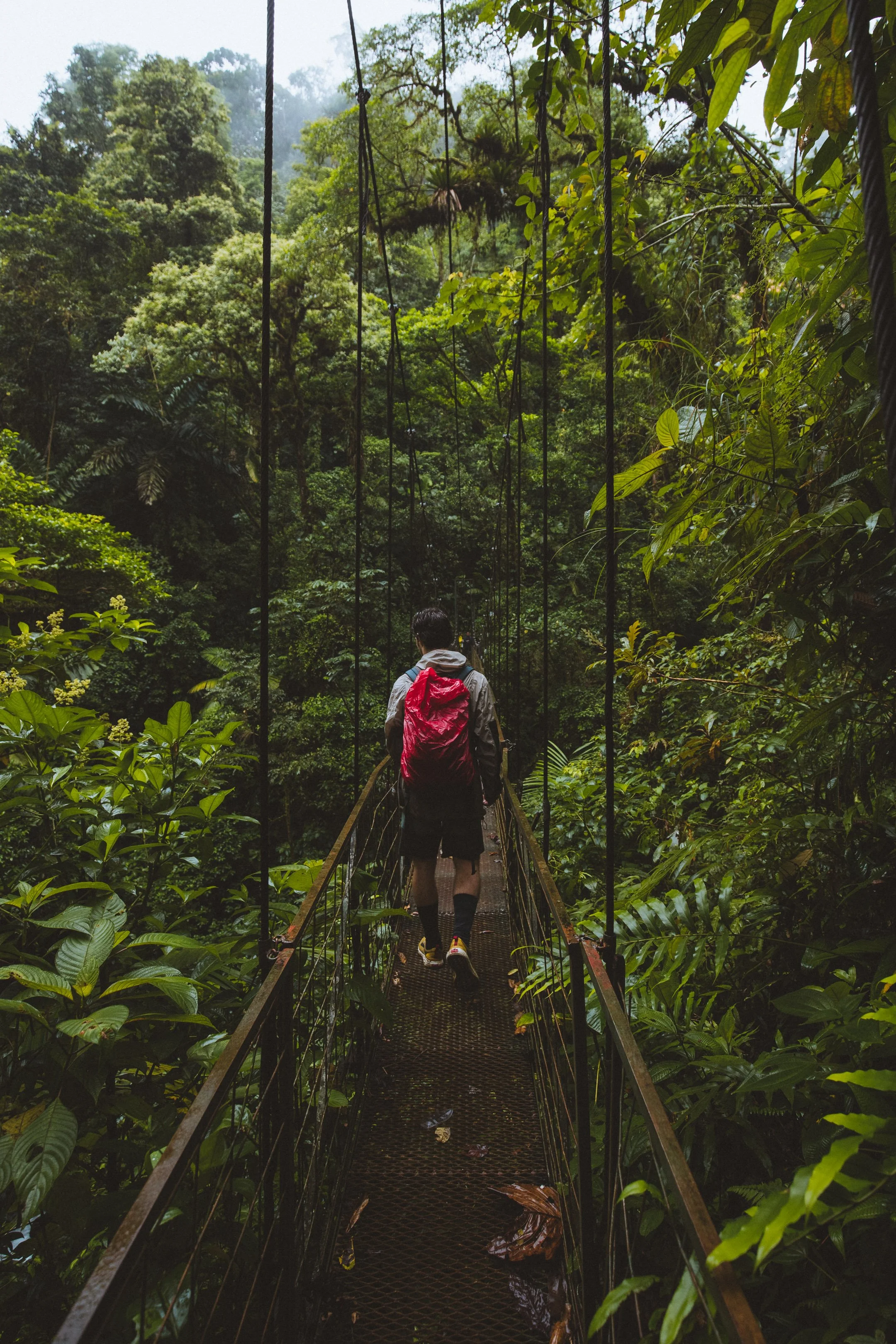
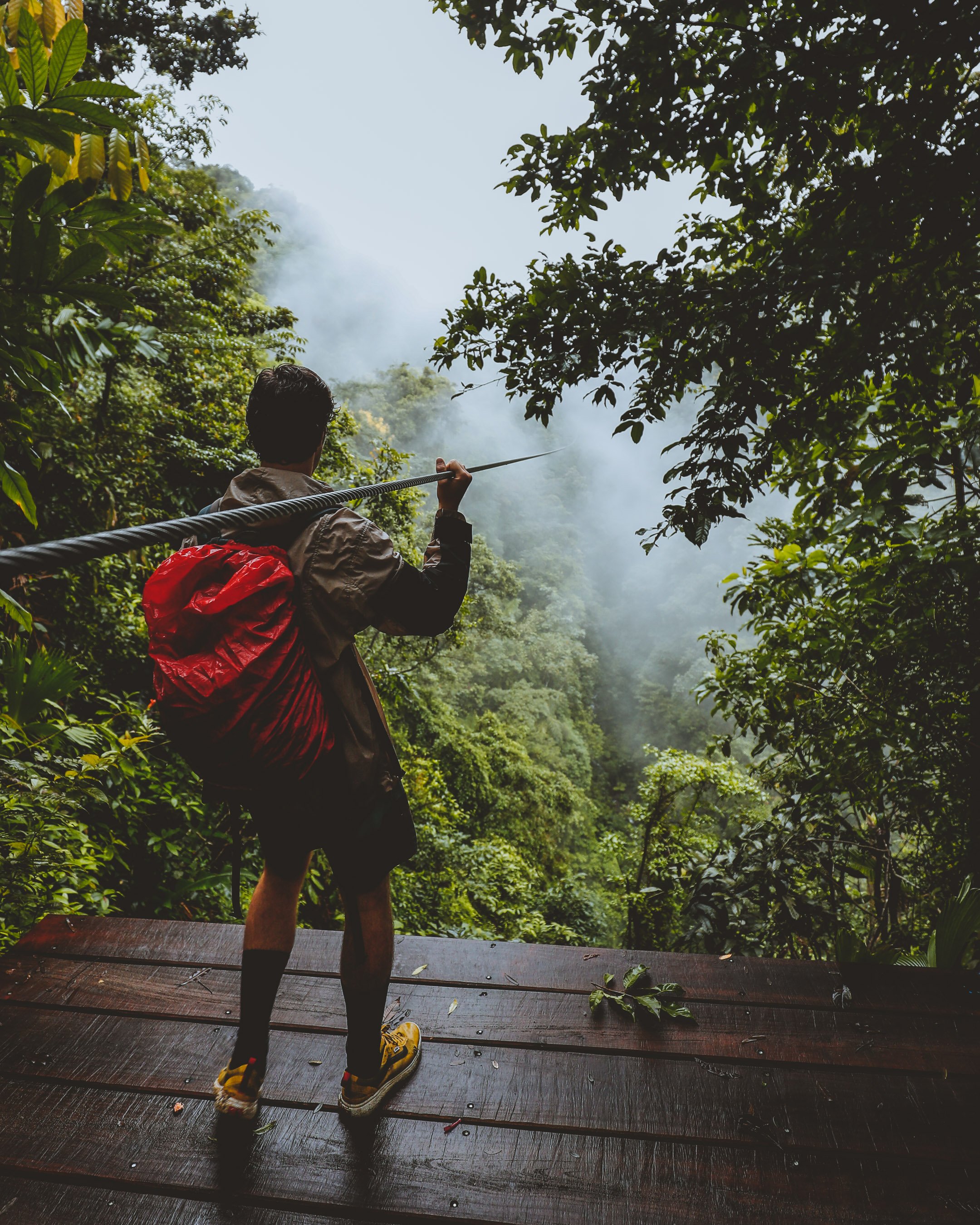
We stayed at Hotel Arenal Xilopalo, very affordable (around €8 per person per night). The main activities here are zip‑lining through rainforest valleys and waterfalls — some lines are nearly a kilometer long. We also found some vines to swing from into the river, Tarzan‑style. Don’t miss the Arenal Volcano hike, about 8 km away — it’s absolutely worth the effort.
Costa Rica is a great place to go with friends at an early age (in your twenties). It requires to be in shape, to be active and open to many fun hours throughout the day. It can also be considered I very restful location, to enjoy with your partner and still get to have amazing experiences. Overall our trip back in 2021 was quite cheap, it was post covid and we did not spend much doping cheap guesthouses. Surf, hike, talk to stranger, drink beers and just let the time pass by, that would be our biggest advice when travelling to Costa Rica.